
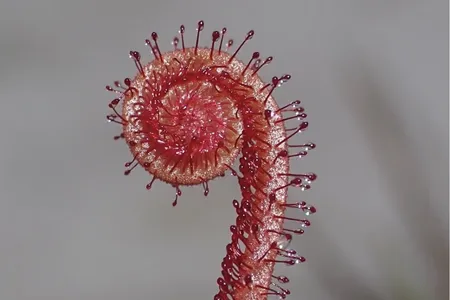
Confined to hidden sinkhole lakes in the Panhandle, the Florida threadleaf sundew is both a discovery and a warning bell for a vanishing ecosystem that’s long been ignored
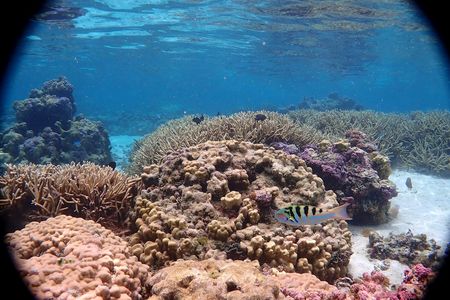
The first-ever global assessment of these vibrant underwater ecosystems paints a grim picture: Climate change projections put 96 percent of shallow-water reefs at the highest level of threat
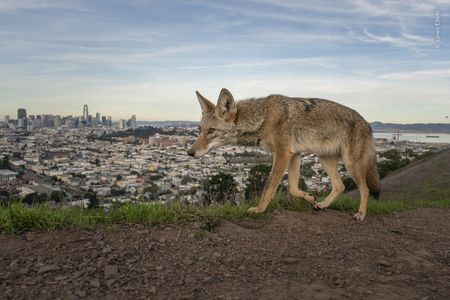
These 19 recognized images highlight the diversity across our planet and the value in appreciating and protecting the natural world
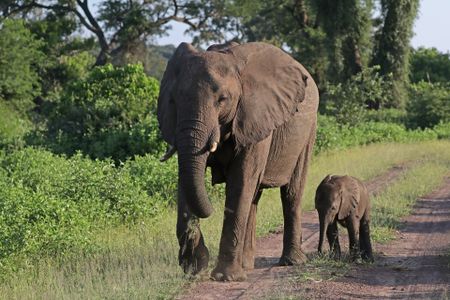
New research suggests the animals’ overlapping calls serve as coordinated group messages and may contain additional information beyond what’s encoded in individual rumbles
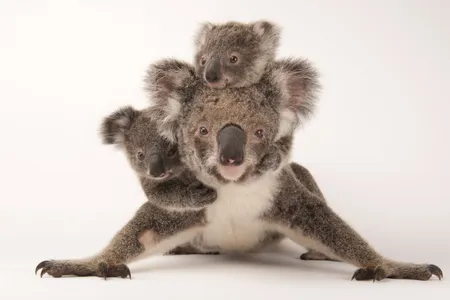
For 20 years, the National Geographic photographer has showcased Earth’s animals in a series of striking images that make even the tiniest creatures look immense

For Three Hours Every Day, Open Ocean Transforms Into Australia’s ‘Ghost’ Reef
An isolated wonder some 1,200 miles from the nearest city, Montgomery Reef disappears as quickly as it appears, mirroring the supposed vanishing of its original owners, a tribe of Indigenous giants

Recent estimates have come to the consensus that our planet hosts roughly six million species. But new research reveals that those counts may be drastically underestimated

America at 250: The Revolutionary Spark
Aldo Leopold’s writing reconsidered the place of humans in the natural world and challenged people to be less conquerors of the land and more citizens of it

Mucus, feces, skin and other shed tissue allowed researchers to investigate which creatures have been swimming in two deep-sea canyons without having to observe or catch them

Scientists found the severest changes in decline rates in places that include hallmarks of high-intensity agriculture

Paleontologists have identified thousands of animal species that lived soon after the Cambrian explosion ended

Conservationists are racing to save the manumea, a chicken-sized bird that lives only on two Samoan islands, from extinction

Species with thinner protective barriers may need fewer resources and tend to have a greater ability to adapt to new habitats, a study suggests

Eastern hellbenders, the largest amphibians in North America, are in trouble, but conservationists are hard at work to help the wrinkled wonders survive

Slow-Motion Videos Reveal What Really Happens When Snakes Bite
Different snakes put their own spin on striking their prey. Scientists captured the powerful attacks on camera

Fish Are Spawning in the Chicago River, Another Sign the Once-Contaminated Waterway Is Rebounding
A new study suggests at least 24 species of fish are reproducing in the urban river, adding to the evidence that it is getting cleaner and healthier

A study examining fossilized droppings reveals the kākāpō has faced a decline in the diversity of its parasites—and that might not be a good thing

The winners of the Mangrove Photography Awards shed light on the ecologically valuable but highly threatened coastal ecosystems

After the 1982-1983 El Niño warming event, the coral endemic to the Galápagos Islands experienced sharp population declines and was rarely observed during surveys

More Than 90 Percent of the World’s Fungal ‘Hotspots’ Are Not Protected, New Study Suggests
Mycorrhizal fungi play an essential role in climate regulation and ecosystem health, and researchers have used A.I. to predict the locations that host a high diversity of these underground organisms
Page 1 of 3