
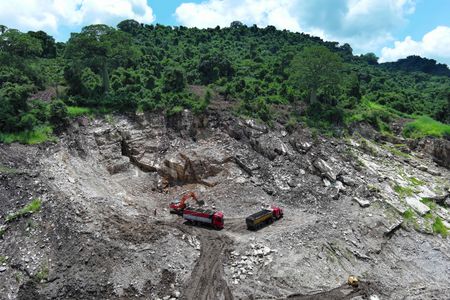
Humans Have Exceeded Six of the Nine Boundaries Keeping Earth Habitable
Scientists find we are “well outside the safe operating space for humanity” in a new study meant to assess the health of our planet
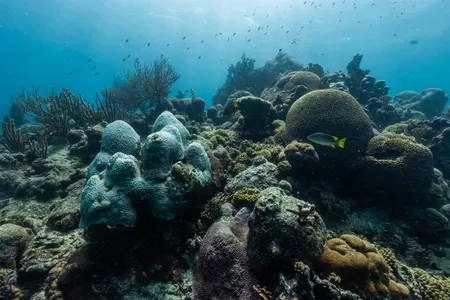
Scientists Cryopreserve and Revive Coral Fragments in a World First for Conservation
The new freezing technique could reinvigorate corals suffering from warming oceans—or even preserve human organs in the future
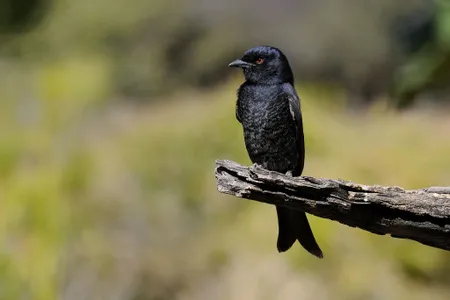
How These Birds Can Spot Look-Alike ‘Imposter’ Eggs in Their Nests
Fork-tailed drongos can identify and reject egg forgeries, laid by African cuckoos, with nearly 94 percent accuracy, new research suggests
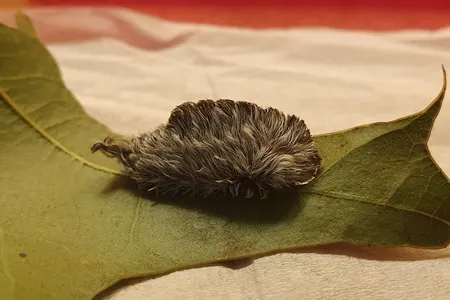
Scientists Reveal Why Asp Caterpillar Stings Are So Excruciatingly Painful
A toxin in the insect’s venom, which can punch a hole in cell walls, could inspire new drug-delivery methods in humans
Page 3 of 3