
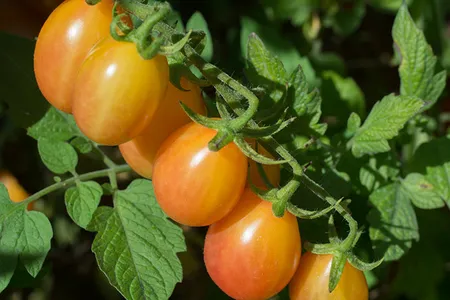
Researchers Just Developed a Tasty New Tomato Called the Scarlet Sunrise
The snackable grape variety is the brainchild of scientists at Rutgers University, who have spent more than a decade trying to produce a firm, crack-resistant fruit with a vibrant reddish-yellow color
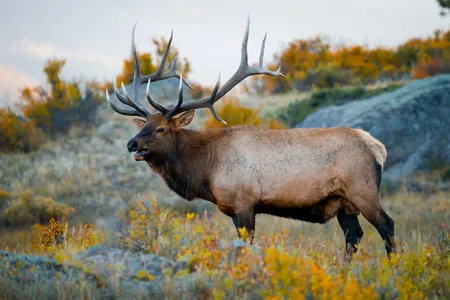
Amorous Elk Are Looking for Love Across North America in an Annual Spectacle Called the Rut
Fall is mating season for the large, antler-adorned ungulates—and you can catch a glimpse of them at several national parks in the United States and Canada
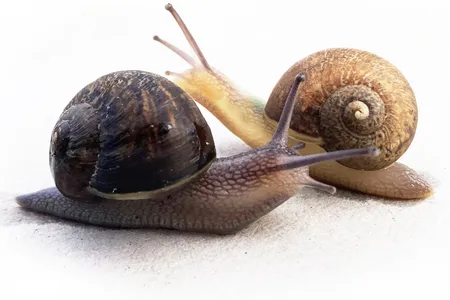
Known as Ned, the creature needs a fellow left-coiling garden snail to reproduce—but the species almost always has shells that coil on their right side
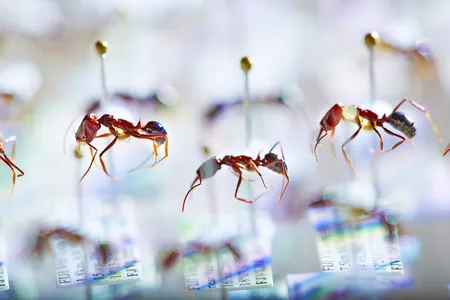
Fiji’s Ants Are Struggling. Scientists Say They’re Part of the Broader ‘Insect Apocalypse’
New research finds that 79 percent of Fiji’s endemic ant species—those that are native to and only found on the archipelago—are in decline
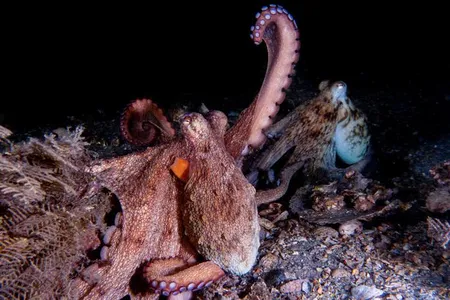
Scientists Map the Ways Octopuses Use Their Complex Arms, Revealing Preferences for Certain Tasks
The cephalopods appear to favor using their front arms, according to a new study, though their back arms help with locomotion
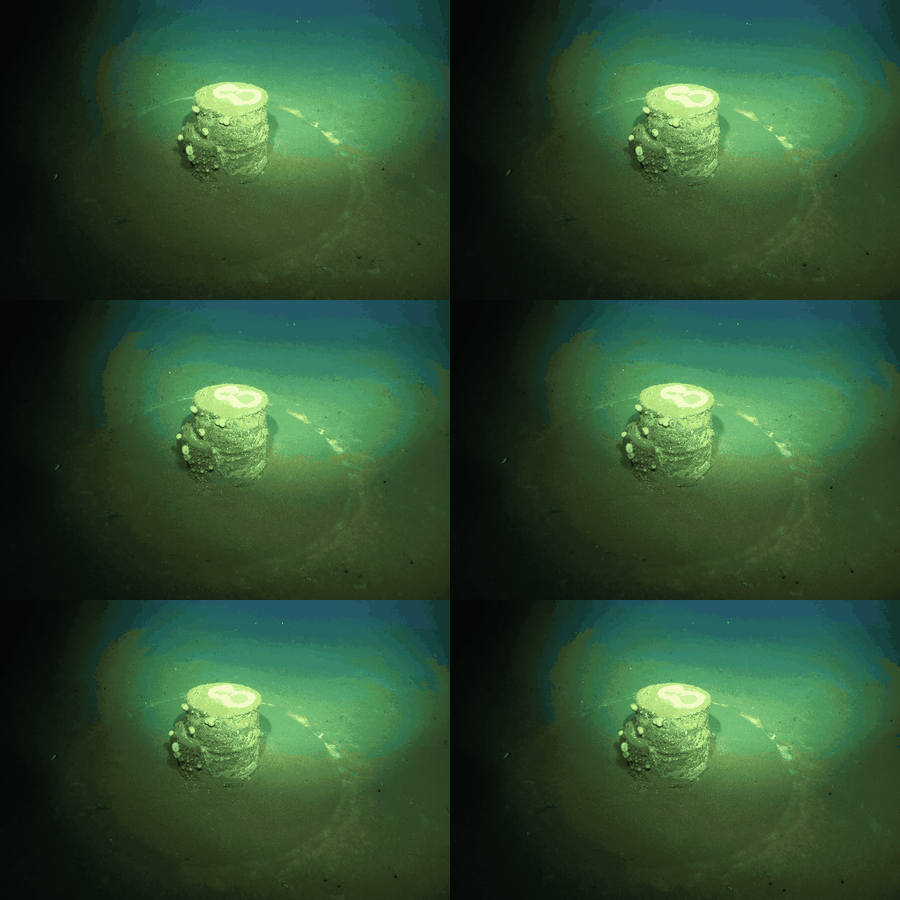
At least some of the barrels contain caustic alkaline waste, which has made the surrounding ecosystems inhospitable to most life forms, a new study suggests
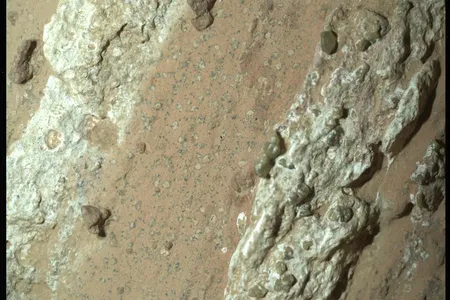
Minerals in the rock might have been produced by microbes in chemical reactions, but researchers say they’ll need to examine the sample more closely to know for sure

Can You Really ‘Rot’ Your Brain by Scrolling Too Much on Your Smartphone?
While that message has been spread on social media, researchers are just beginning to understand how the devices affect the mind
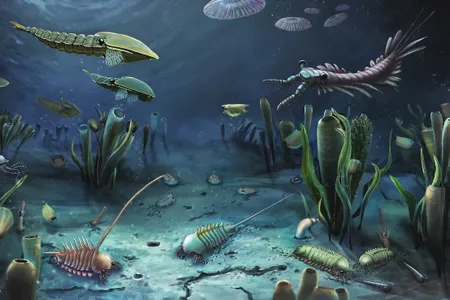
What Led Life to Flourish Roughly 520 Million Years Ago?
Changes to the world’s oceans and the rise of certain predators may have driven diversification
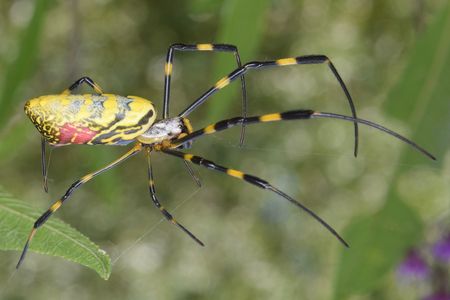
The invasive arachnids were first spotted in the park last year, and now, researchers hope to keep tabs on when and where they occur
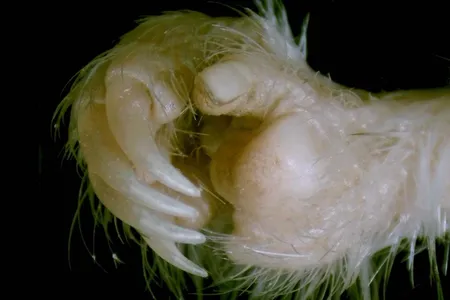
Rodents Conquered the World With the Help of Their Thumbnails, Study Suggests
The trait might have given rodents greater manual dexterity, allowing them to access new foods, such as nuts
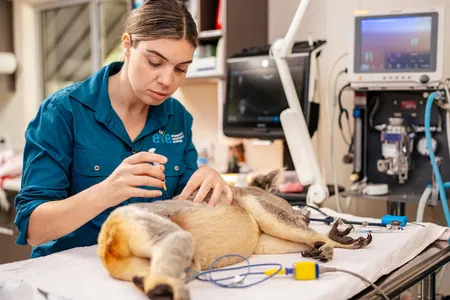
A New Vaccine Could Help Save Australia’s Beloved Koalas From Chlamydia, and It Just Got Approved
The disease causes blindness, infertility, severe urinary tract infections and death in the iconic, furry marsupials, which are also threatened by habitat loss
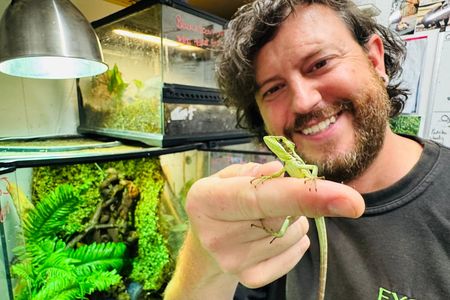
‘Once in a Lifetime’: Rare ‘Virgin Birth’ of Eight Iguana Babies Surprises Zookeepers in England
A female casque-headed iguana produced live hatchlings even though she has never shared an enclosure with a male

This Deep-Sea Fish Has Teeth on Its Forehead—and It Uses Them for Sex
Researchers suggest the rows of pointed structures on the heads of spotted ratfish are true teeth, offering the first known example of teeth located outside the jaw
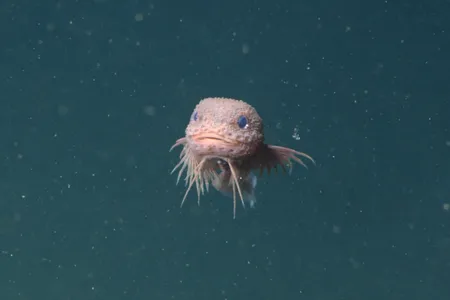
Biologists Discover Surprisingly Cute Deep-Sea Fish Species Off the Coast of California
Meet the bumpy snailfish—described by scientists as “adorable”—as well as the dark snailfish and sleek snailfish, all of which thrive thousands of feet below the surface of the Pacific Ocean
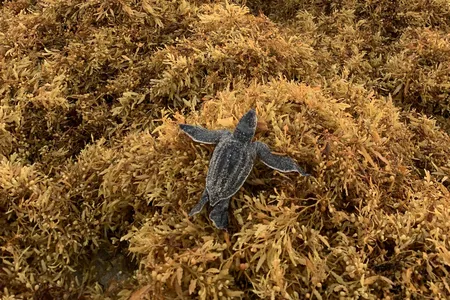
Seaweed Piles Are Slowing Down Sea Turtle Hatchlings as They Make the Dangerous Trek to the Ocean
In Florida, large mats of sargassum are increasingly washing ashore, creating another obstacle for loggerhead, leatherback and green sea turtles, new research suggests
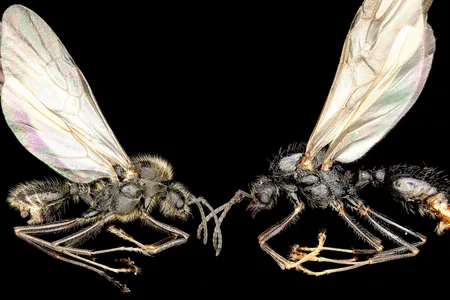
These Ant Queens Seem to Defy Biology: They Lay Eggs That Hatch Into Another Species
Iberian harvester ant queens produce offspring of their own species and of the builder harvester ant, seemingly by cloning males
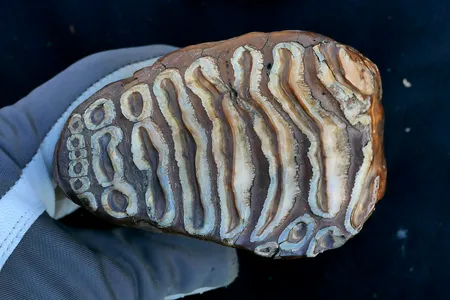
Some of the microbes might have been benign or helpful, while others could have caused deadly diseases
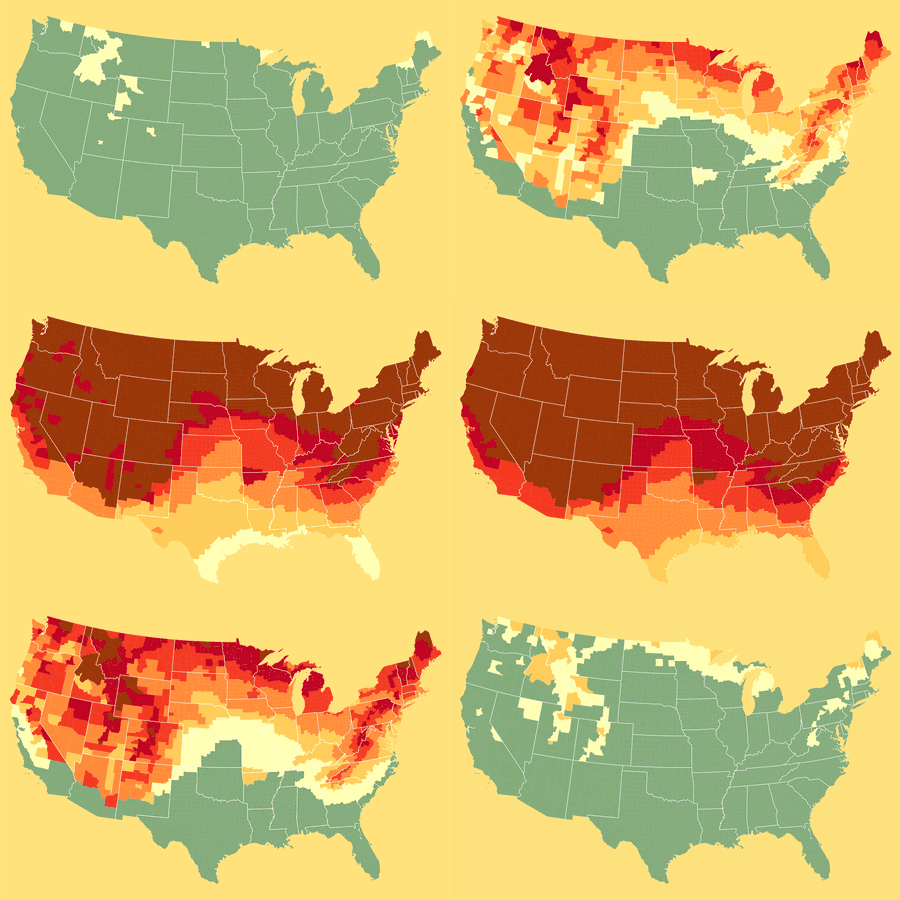
See When Fabulous Fall Foliage Will Peak in Your State With This Interactive Map
Use the tool’s week-by-week, county-by-county predictions to plan your autumnal adventures—and make the most of the 2025 leaf-peeping season
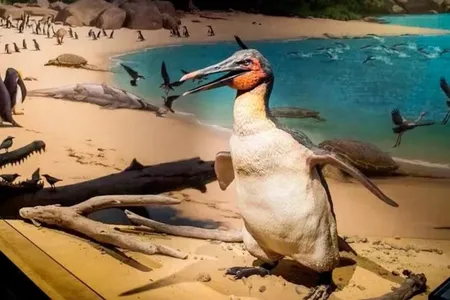
Early Penguins Had Long, Dagger-Like Beaks for Skewering Fish, New Zealand Fossils Reveal
Paleontologists describe four new species of extinct ancestral penguins that help shed light on how the iconic birds evolved after dinosaurs went extinct
Page 16 of 108