Subscribe to Smithsonian magazine and get a FREE tote.

Archaeology

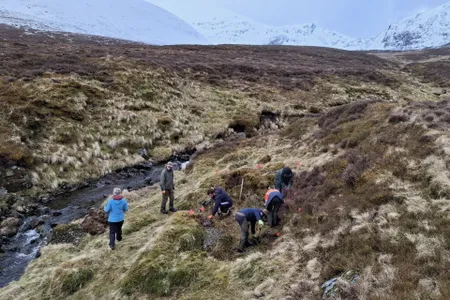
Archaeologists and volunteers excavate the site in the Ben Lawers National Nature Reserve.
 

Cool Finds

Researchers Discovered the Remnants of a Secret, Illegal Whisky Distillery in a Stunning Scottish Park

The copper still, likely used to make whisky, would have been hidden away from the oversight of tax collectors after Scotland outlawed unlicensed distilling centuries ago
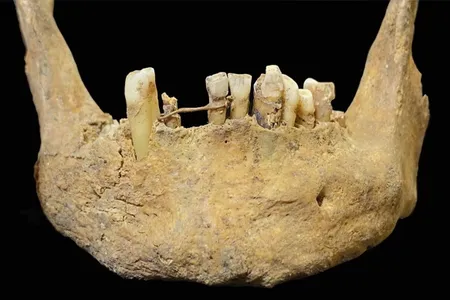
The 20-karat gold wire was installed some time before the man died.

New Research

Why Did This Wealthy Scotsman Pay a Jeweler to Wrap His Teeth in Gold Wire Hundreds of Years Ago?

What an early example of a dental bridge reveals about health, wealth and social values in the late medieval and early modern world
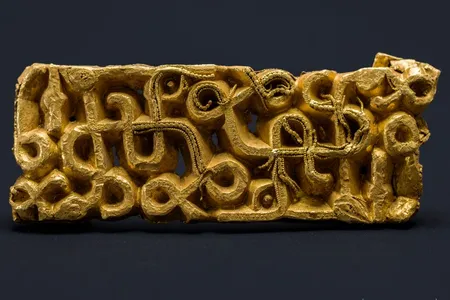
The golden artifact, a sword scabbard fitting perhaps belonging to an elite warrior leader 

Cool Finds

A Hiker in Norway Found an Elite Warrior’s Golden Sword Ornament. It Was Likely a Sacrifice to the Gods Made During a Time of Turmoil

Volcanic eruptions, climate change, crop failures, famine and plague all may have swept through Norway in the sixth century C.E., putting pressure on leaders and their communities
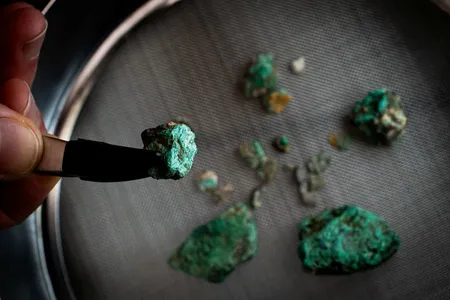
Archaeologists think the green minerals found in the cave might be malachite, which is treated and processed to make copper.

New Research

Mysterious Green Rocks Discovered in a Remote Cave in Spain Might Be Signs of Prehistoric People Working With Copper

The find challenges assumptions that people in the region thousands of years ago did not spend much time at high altitudes
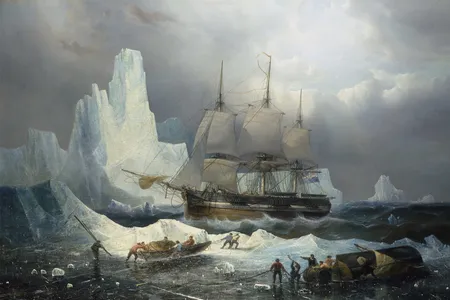
A 19th-century painting of HMS Erebus, one of two ships involved in John Franklin's 1845 expedition to the Arctic

New Research

This Sailor From the Franklin Expedition Died in the Arctic in a Uniform That Didn’t Belong to Him. Now, DNA Has Revealed His Identity

New research has identified four members of the doomed 1845 search for the Northwest Passage, including the owner of a paper-stuffed wallet that has long mystified historians
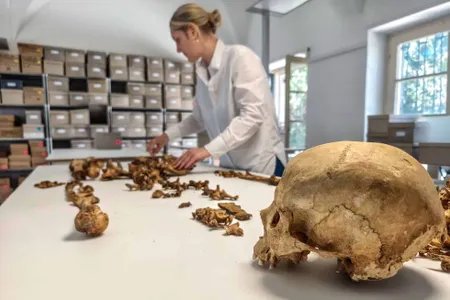
Analysis of a skeleton from an early medieval site

New Research

The Fall of the Roman Empire Was Less a Clash of Civilizations and More an Opportunity to Mix and Mingle, a New Genetics Study Shows

Researchers who analyzed genomes from early medieval graves in modern-day Germany hypothesize that people from the former Roman Empire formed families with Germanic people soon after the empire fell
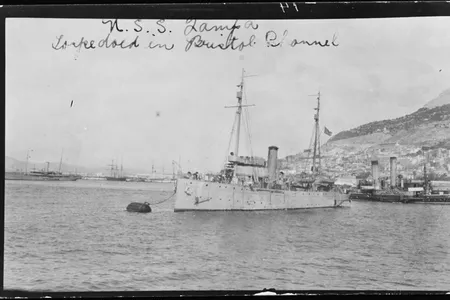
During World War I, the Tampa protected convoys from submarine attacks.

Divers Discover the Shipwreck of a World War I-Era Coast Guard Cutter, Which Vanished With 131 Sailors on Board in 1918

The wreckage of the “Tampa,” which was torpedoed by a German submarine, was found 50 miles off the coast of Cornwall, England. The disaster was the largest single American naval combat loss of life during the war
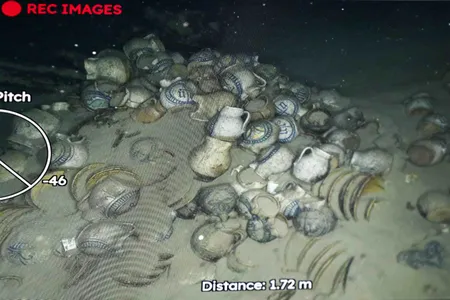
A remotely operated vehicle captured this image of the ceramics from the Camarat 4.

Here’s What Underwater Robots Are Finding at France’s Deepest Shipwreck, a 16th-Century Merchant Vessel Resting at the Bottom of the Mediterranean

Known as the “Camarat 4,” the ship was loaded with cannons, cauldrons and hundreds of ceramics—which are still visible on the seafloor. Researchers are surveying the site and carefully recovering a small selection of artifacts
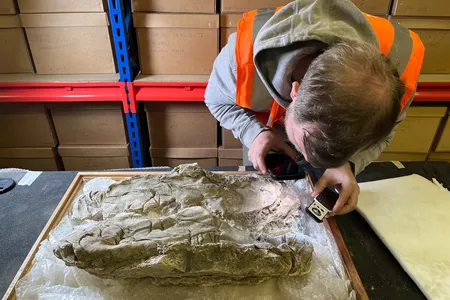
The funerary practice of pouring gypsum into ancient coffins means that imprints of clothing and bodies remain in burial sites in York, England.

Cool Finds

In the Ancient World, This Pigment Was Worth More Than Gold. Archaeologists Discovered It Buried With Babies in Roman Coffins

A funerary custom in Roman Yorkshire of pouring liquid gypsum over bodies before burial preserved traces of Tyrian purple
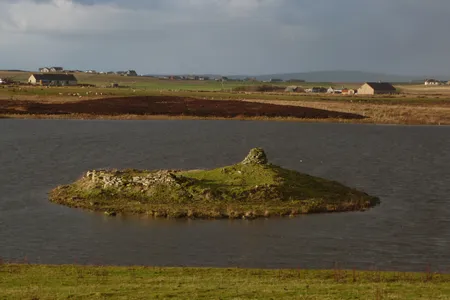
An example of a crannog, in the Loch of Wasdale

This Island in Scotland Is Actually a Man-Made Mini Landmass Resting on a Wooden Platform, New Discovery Shows

Scientists made significant advances in underwater archaeology techniques and photogrammetry while investigating the crannog site
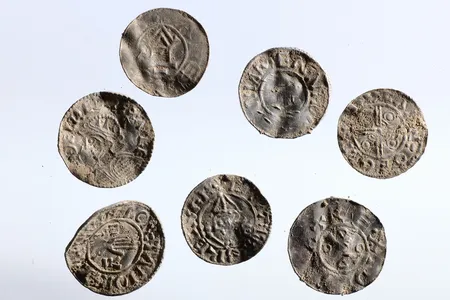
Seven of the coins from the newly discovered hoard, which is the largest of its kind ever found in Norway

Cool Finds

See the Largest Viking Age Hoard Ever Found in Norway. At Nearly 3,000 Coins and Counting, the Cache Is a Once-in-a-Lifetime Find

Buried in the mid-11th century, the stash includes silver pieces minted under rulers such as Cnut the Great, Aethelred the Unready and Harald Hardrada
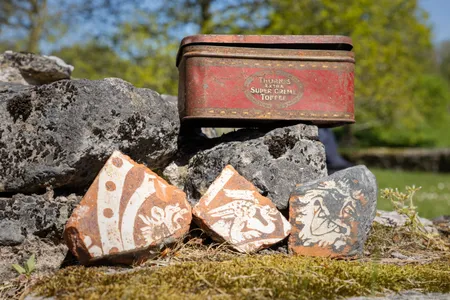
The broken clay tiles were kept in a toffee tin for nearly six decades.

Cool Finds

Six Decades Ago, a Boy Stole Medieval Tiles From an English Monastery. He Just Returned the Illicit Souvenirs

A ghoulish face and a graceful dragon decorate the broken clay tiles from the late 13th century or early 14th century. They were found tucked in an old toffee tin
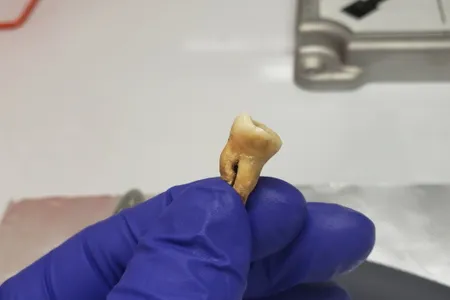
A tooth from the Jerash mass grave site

New Research

Dead Bodies Filled a Mass Grave When the First Plague Pandemic Struck This Early Medieval City. New Research Explores the Identity of the Victims

Researchers analyzed isotopes and DNA in the teeth of remains found in a mass grave from the Plague of Justinian, which swept through the Byzantine Empire
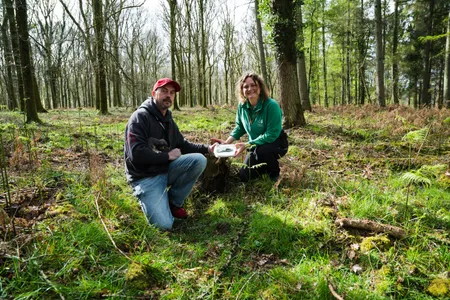
John Smith stumbled upon the ax head when he was walking his dog.

Cool Finds

A Man and His Dog Discovered a 3,400-Year-Old Ax Head While Out for a Walk in One of England’s Ancient Forests

Researchers believe the ax dates to between 1400 B.C.E. and 1275 B.C.E. and is a relic of the Bronze Age, when humans started to work with metal
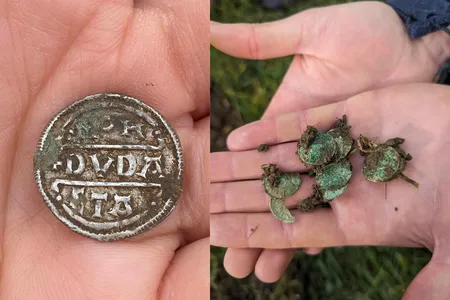
Metal detectorists uncovered 25 of the coins in the summer of 2022. Archaeologists later unearthed an additional 38.

Cool Finds

A Metal Detectorist Stumbled Upon a Silver Coin. It Turned Out to Be Part of a Stash Buried During the Viking Invasion of Britain

Archaeologists say that the 63 coins, most of which bear the name of King Burgred of Mercia, might have been hidden in the ninth century to keep them safe at a time of unrest
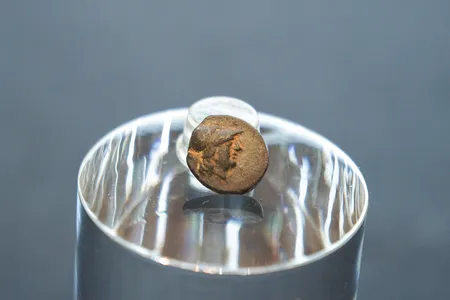
This ancient Greek coin is now on view in Berlin.

Cool Finds

A 13-Year-Old Boy Found This Bronze Coin in a Field. It Turned Out to Be the First Ancient Greek Artifact Discovered in Berlin

Minted in Troy in the third century B.C.E., the object might have been buried as a gift to the dead. Archaeologists don’t know exactly how it ended up in modern-day Germany
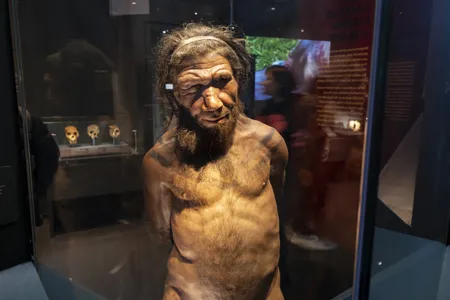
Neanderthals survived from roughly 400,000 to 40,000 years ago, when they mysteriously disappeared.

What Killed the Neanderthals? New Research Suggests a Lack of Genetic Diversity May Be Partially to Blame

When the climate cooled, the population of Neanderthals shrank. Most that lived between 60,000 and 40,000 years ago were descended from the same lineage and had very similar DNA

The Strait of Gibraltar 

Cool Finds

In a Graveyard of Shipwrecks Between Europe and Africa, Archaeologists Discovered Vessels Doomed Over Thousands of Years

The “harbor” of the Strait of Gibraltar is the final resting place for shipwrecks from ancient Rome, the medieval era and World War II, according to a new archaeological survey
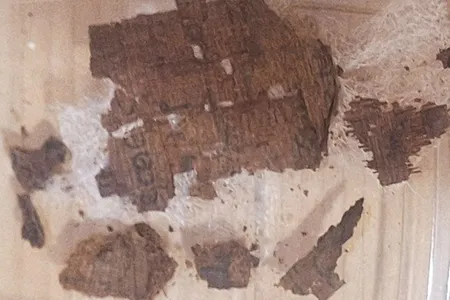
The papyrus fragment with a passage from Homer's Iliad

Cool Finds

Archaeologists Unearth a Papyrus Fragment From the ‘Iliad’ Tucked Inside the Wrappings of a 1,600-Year-Old Egyptian Mummy

The excerpt from Homer’s epic poem features his catalog of ships, a famous passage listing the Greek forces that sailed to Troy. It may be the first Greek literary text found in the context of mummification
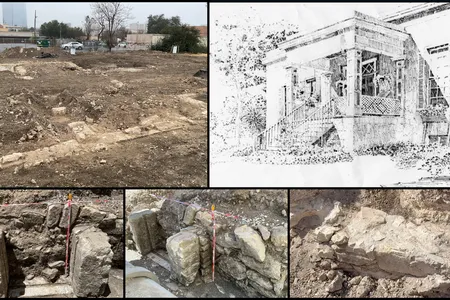
Archaeologists found the historic structures while preparing for renovations at the Fox Tech High School campus, located in downtown San Antonio.

Cool Finds

New Archaeological Discoveries Reveal How San Antonio’s Earliest Settlers Irrigated Crops and Accessed Drinking Water

While preparing for school renovations, researchers in Texas found remnants of the historic San Pedro acequia, a centuries-old technology that provided water to the burgeoning village

Page 10 of 129