
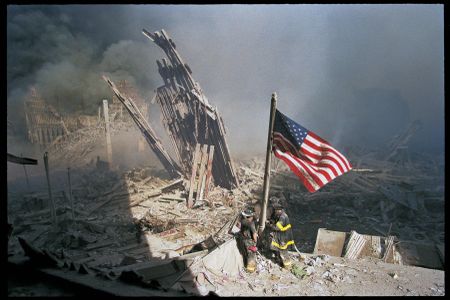
A Lesser-Known Photo of an Iconic 9/11 Moment Brings Shades of Gray to the Day’s Memory
On the 20th anniversary of the attacks, photographers who immortalized the famous scene reflect on what their images capture and what remains out of frame

Seven 9/11 Memorials to Visit Across the United States
These lesser-known monuments honor the lives lost in the terrorist attacks 20 years ago

The Heart-Wrenching History of the Breakup Album
From Joni Mitchell’s ‘Blue’ to Olivia Rodrigo’s ‘Sour,’ love and loss has an ever evolving soundtrack
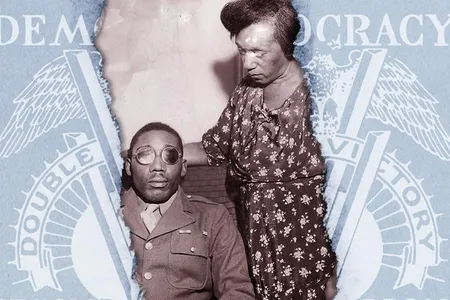
After Victory in World War II, Black Veterans Continued the Fight for Freedom at Home
These men, who had sacrificed so much for the country, faced racist attacks in 1946 as they laid the groundwork for the civil rights movement to come
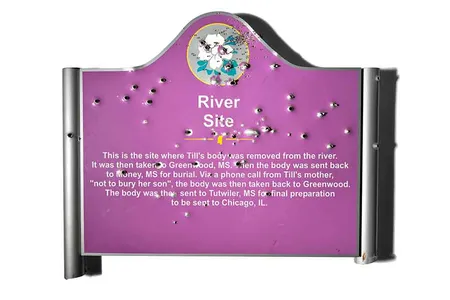
Smithsonian Displays Bullet-Riddled Sign That Documented Emmett Till’s Horrific Murder
A month-long exhibition invites conversations addressing ongoing racism in America
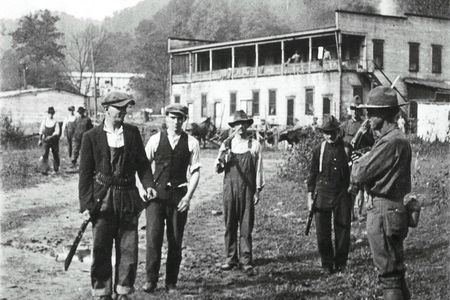
What Made the Battle of Blair Mountain the Largest Labor Uprising in American History
Its legacy lives on today in the struggles faced by modern miners seeking workers’ rights

A new Smithsonian initiative explores how Americans understand, experience and confront racism

The Relationship Between Race and Wellness Has Never Been More Pressing
A new Smithsonian initiative kicks off this week with a virtual summit examining these urgent issues
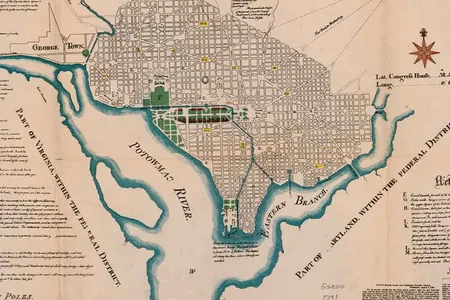
Track the Hidden Histories Lurking in the Street Names of Washington, D.C.
A new exhibition highlights the people behind some of the capital city’s roadways, plazas and parks
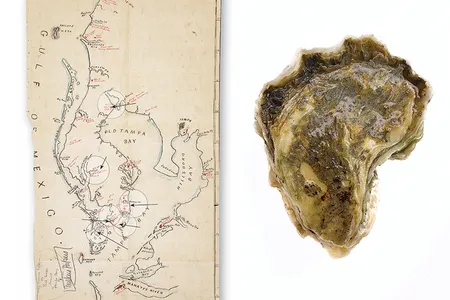
This Map Details Florida’s Disappearing Native American Landscape
A 19th-century reporter’s invaluable guide offers a look at the earliest residents of the area surrounding the Tampa Bay
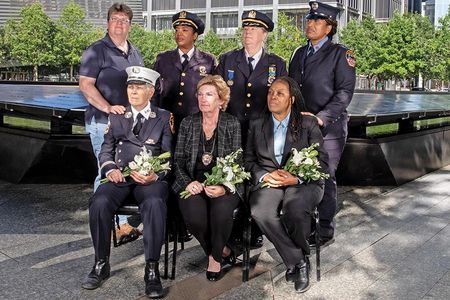
Twenty Years Later, First Responders and Families Remember the People They Lost on 9/11
These portraits of resilience recall the day when loved ones, friends and colleagues perished in the terrorist attacks
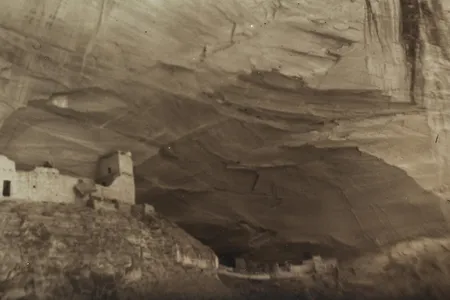
Groundbreaking Archaeologist Ann Axtell Morris Finally Gets the Cinematic Treatment
Nearly a century after Morris excavated ancestral Native lands, filmmakers return with an inclusive approach that brings Navajo Nation onto the big screen
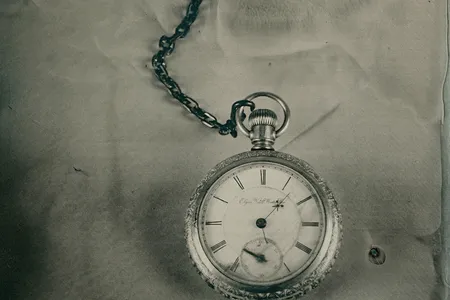
What a Watch Tells Us About the Titanic’s Final Hours
The handheld item, belonging to an American crew member, stopped minutes before the ship sank
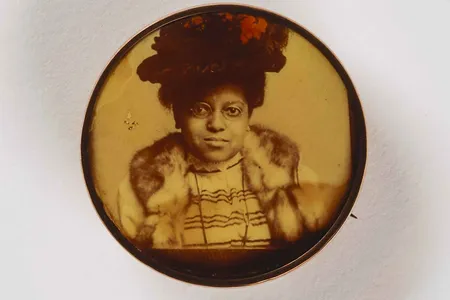
New Collection of Portraits Presents the Diversity of 19th-Century American Photography
Smithsonian American Art Museum announces major acquisition of the works of Black photographers James P. Ball, Glenalvin Goodridge and Augustus Washington
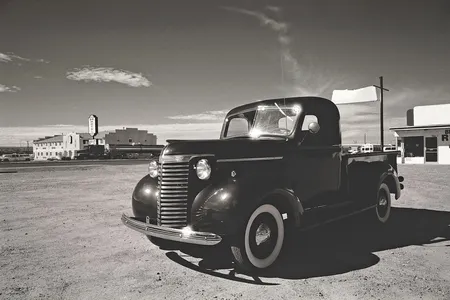
The Rugged History of the Pickup Truck
At first, it was all about hauling things we needed. Then the vehicle itself became the thing we wanted
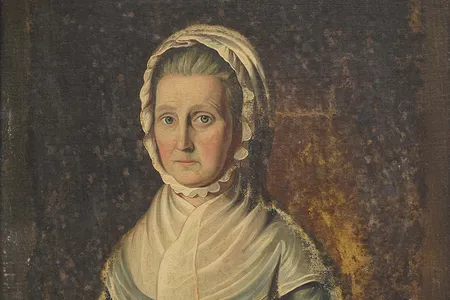
What an Englishwoman’s Letters Reveal About Life in Britain During the American Revolution
A new book highlights the writings of Jane Strachey, a middle-class woman whose husband worked for the famed Howe family
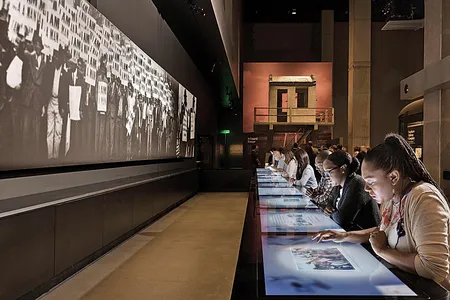
Secretary Lonnie Bunch on Why the Smithsonian Is Talking About Race
In a deeply divided moment, a new initiative aims to bring Americans together by reckoning with our racial past
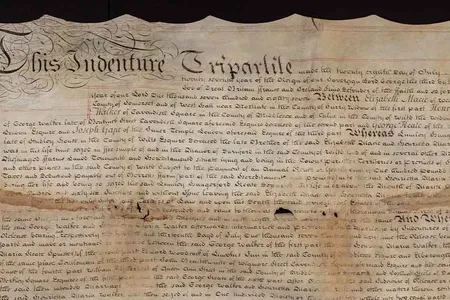
New Analysis Reveals More Details About Smithsonian Founder’s Illegitimate Family Tree
The newly recovered 1787 Hungerford Deed, detailing a contentious squabble over property and prestige, can now be viewed in a new virtual exhibition
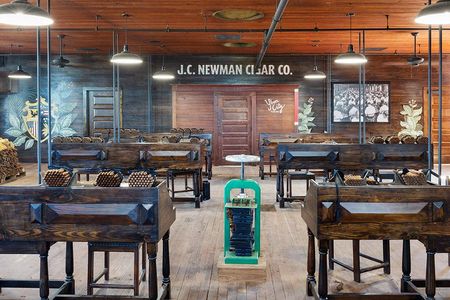
The Last Cigar Factory in Tampa
After a multi-million renovation, the J.C. Newman Cigar Company in Ybor City offers visitors a museum and tours of its working factory

How the Adirondack Chair Became the Feel-Good Recliner That Cures What Ails You
The furniture piece has gone through countless permutations, but it all started at a time when resting outdoors was thought to be a matter of life or death
Page 35 of 163