

For humpback whales, bottlenose dolphins and coastal manatees, tourism is a mixed bag, making vigilance ever more important

A Brand-New Museum in Oklahoma Honors Indigenous People at Every Turn
The team behind the First Americans Museum in Oklahoma City incorporated the traditions and spiritual beliefs of 39 tribal nations into its design

How Do Gorillas Get Heart Disease? And More Questions From Our Readers
You’ve got questions. We’ve got experts
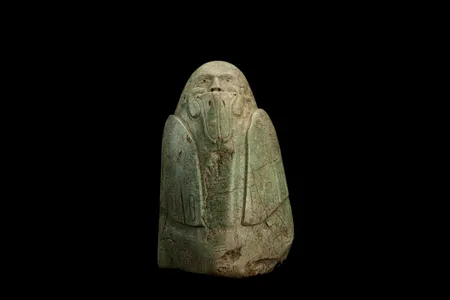
What Secrets Does This 1,800-Year-Old Carved Stone Hold?
The Tuxtla Statuette illuminates an endangered Latin American culture

The physicist thinks we might have glimpsed evidence of an alien civilization. Despite controversy, he’s determined to find more

In a City Flush With Power and Wealth, D.C.’s Ward 8 Faces Food Inequity
Eleven percent of U.S. households experience hunger; an expansive, new exhibition focuses how a local community manages this national problem
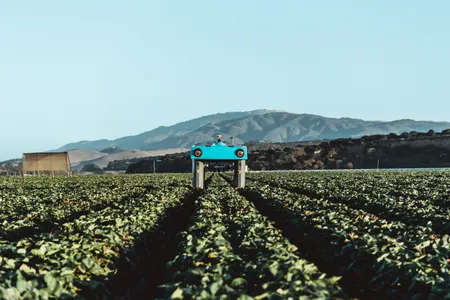
Innovation for Good: Game Changers
Is This Weed-Spotting, Yield-Predicting Rover the Future of Farming?
The robot, developed by Alphabet Inc.’s X, will make its public debut at the Smithsonian
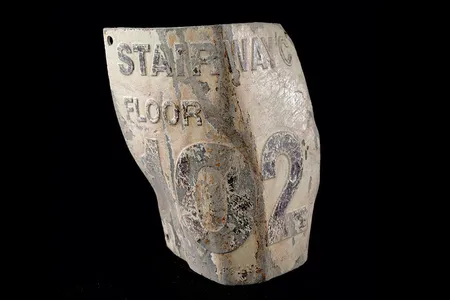
Commemorate 9/11 With Free Virtual Programs, Resources From the Smithsonian
Here’s how the American History Museum, the National Postal Museum and more are reflecting on the tragedy
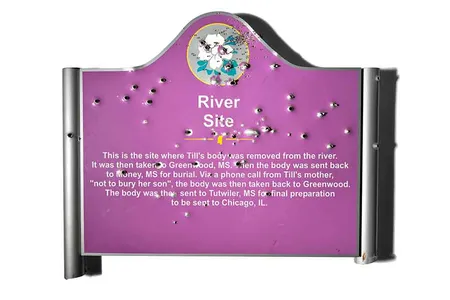
Smithsonian Displays Bullet-Riddled Sign That Documented Emmett Till’s Horrific Murder
A month-long exhibition invites conversations addressing ongoing racism in America

A new Smithsonian initiative explores how Americans understand, experience and confront racism

The Relationship Between Race and Wellness Has Never Been More Pressing
A new Smithsonian initiative kicks off this week with a virtual summit examining these urgent issues
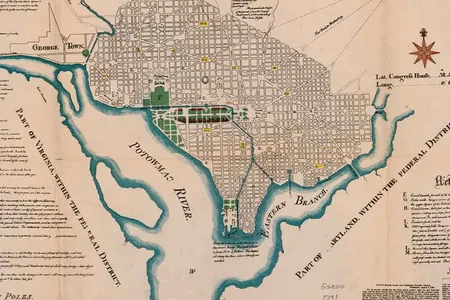
Track the Hidden Histories Lurking in the Street Names of Washington, D.C.
A new exhibition highlights the people behind some of the capital city’s roadways, plazas and parks

Chronicling Hip-Hop’s 45-Year Ascendance as a Musical, Cultural and Social Phenom
The groundbreaking box set “Smithsonian Anthology of Hip-Hop and Rap” features 129 tracks, liner notes and an illustrated 300-page compendium
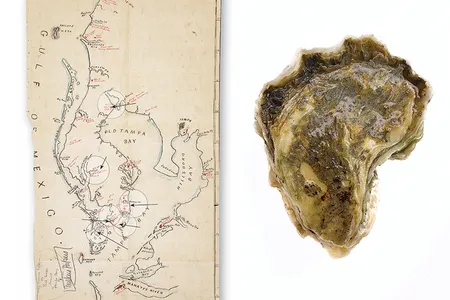
This Map Details Florida’s Disappearing Native American Landscape
A 19th-century reporter’s invaluable guide offers a look at the earliest residents of the area surrounding the Tampa Bay
‘Which Came First: Beer or Wine?’ and More Questions From Our Readers
You’ve got questions. We’ve got experts
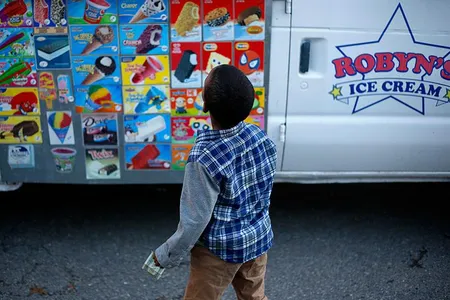
The Lost Art of Molding Ice Cream Into Eagles, Tugboats and Pineapples
In the late 19th and early 20th centuries, ice cream makers used metal casts to create fanciful desserts
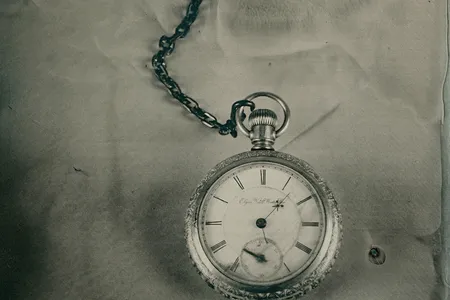
What a Watch Tells Us About the Titanic’s Final Hours
The handheld item, belonging to an American crew member, stopped minutes before the ship sank

Disney’s Dusty Crophopper—the Little Airplane that Could—Comes to the Smithsonian
Iconic Air Tractor aircraft on display at the Udvar-Hazy Center this Saturday
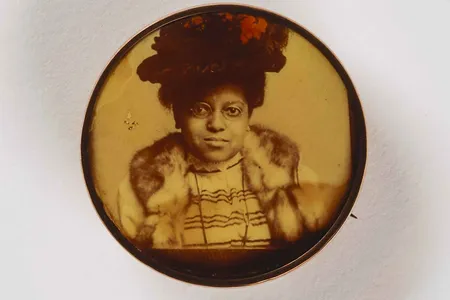
New Collection of Portraits Presents the Diversity of 19th-Century American Photography
Smithsonian American Art Museum announces major acquisition of the works of Black photographers James P. Ball, Glenalvin Goodridge and Augustus Washington

Two New Scimitar-Horned Oryx Calves Born Through Improved Methods of Artificial Insemination
The assisted reproduction method will help with population management efforts of these critically endangered species and their rewilding
Page 35 of 260