
Subscribe to Smithsonian magazine and get a FREE tote.

Spain

Pablo Picasso painted Still Life With Guitar in 1919.

This Tiny Picasso Painting Went Missing While Traveling to an Exhibition in Spain

A few days before “Still Life With Guitar” was supposed to go on display in Granada, staffers discovered the piece had vanished from a group of artworks that had recently arrived by truck
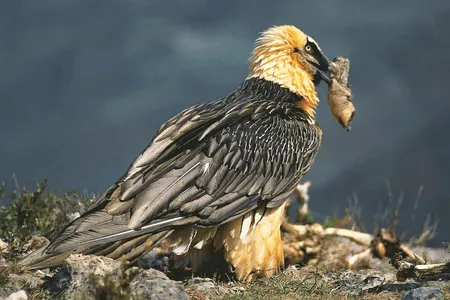
Generations of bearded vultures return to the same nesting sites for centuries, offering archaeologists a glimpse into the past.

Generations of Bearded Vultures Stashed Humans’ Treasures, Including a 650-Year-Old Sandal, in These Bird Nests

Researchers recovered more than 200 human artifacts from historical nests in southern Spain
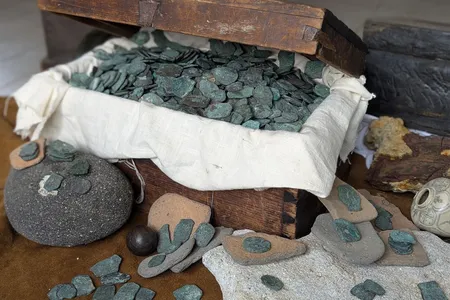
During the summer of 2025, a team of divers pulled up 1,051 silver coins known as reales, five gold coins called escudos and other gold artifacts.

Divers Recover More Than $1 Million Worth of Gold and Silver Coins From 310-Year-Old ‘Treasure Fleet’ Shipwrecks

The vessels sank in a violent hurricane off the coast of Florida in July 1715, when they were traveling from Cuba to Spain with an estimated $400 million worth of coins and jewels from the New World
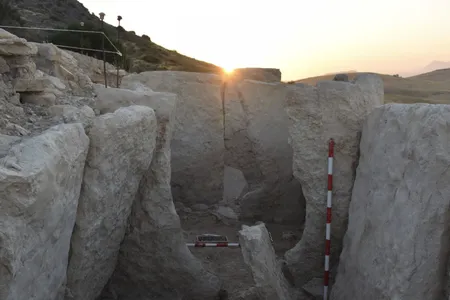
This 5,000-year-old tomb could be one of the best preserved in Andalusia, researchers say. Inside the tomb lay rare objects such as amber, ivory and prehistoric weapons.

Archaeologists Discover a 5,000-Year-Old Tomb in Southern Spain

The stone structure, called a dolmen, offers a glimpse into prehistoric life, trade and religion

A common octopus (Octopus americanus) raises its arm in southern Florida.

Scientists Map the Ways Octopuses Use Their Complex Arms, Revealing Preferences for Certain Tasks

The cephalopods appear to favor using their front arms, according to a new study, though their back arms help with locomotion

Medical supplies for the front are piled up at a railway station in Addis Ababa, Ethiopia, in 1935. Back in America, Black educator Melva L. Price rallied support for Ethiopian refugees fleeing the violence of the Second Italo-Ethiopian War.

During the Great Depression, This Black Educator Looked to Conflicts Abroad for Lessons on Fighting Racism at Home

The Second Italo-Ethiopian War and the Spanish Civil War offered Melva L. Price and her fellow female activists an opportunity to examine the links between racism and fascism
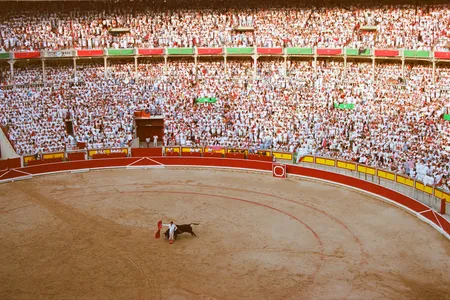
A matador and bull stand center stage as attendees look on during the San Fermín festival in Pamplona.

Smithsonian Photo Contest Galleries

See 15 Spectacular Photographs That Show Off Scenes From Spain

These images from the Smithsonian Magazine Photo Contest celebrate the Iberian nation
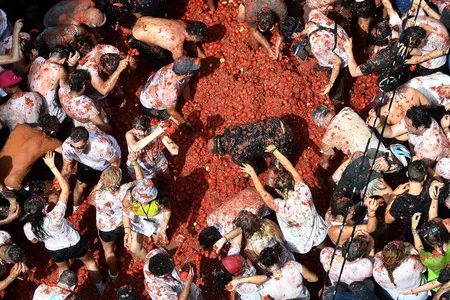
Revelers throw tomatoes during the annual Tomatina festival in Buñol on August 27, 2025.

How a Spontaneous Food Fight Became La Tomatina, Spain’s Annual Tomato-Throwing Festival

Thousands of people gathered in a small Spanish town this week for the event, which is celebrating its 80th anniversary
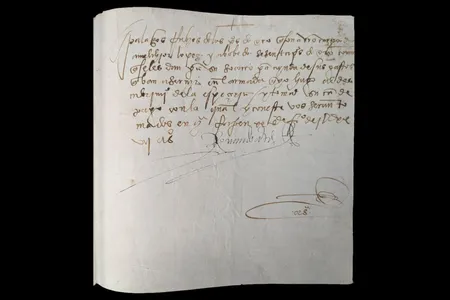
The page was marked with a wax numbering system in the 1980s, which helped officials determine when it was stolen.

FBI Returns Long-Lost Manuscript Signed by Hernán Cortés in 1527 to Mexico’s National Archives

The document, which vanished decades ago, includes logistical details linked to the travels of the Spanish conquistador, who had conquered the Aztec Empire several years earlier
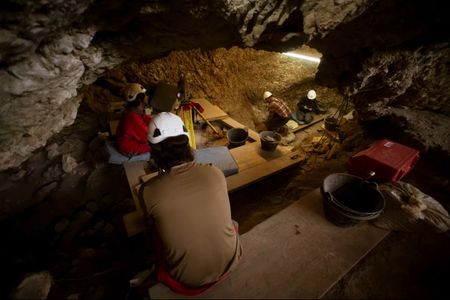
Archaeologists excavating the El Mirador cave in northern Spain have found physical evidence of prehistoric cannibalism.

Bones Found in Spanish Cave Suggest This Neolithic Group Butchered and Cannibalized a Rival Community

The 5,700-year-old remains exhibit signs of human consumption, including bite marks and traces of cutting, cremation and boiling
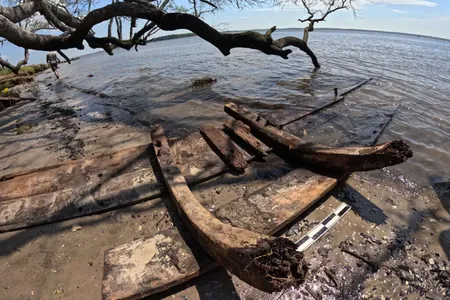
A large section of the possible La Fortuna shipwreck sits on the beach in southern North Carolina

In the Muddy Banks of North Carolina, Student Archaeologists May Have Discovered the Remnants of a Centuries-Old Spanish Ship

While taking measurements of an abandoned wharf site, the students found timber from what experts believe may be part of La Fortuna, a Spanish ship destroyed nearly 300 years ago
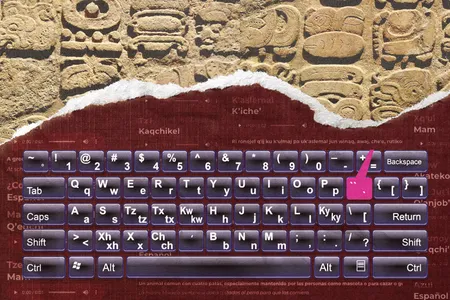
The Mayan Languages Preservation and Digitization Project (MLPP) was launched in 2023 to preserve around 20 Mayan languages, including Qʼeqchiʼ, Kʼicheʼ and Kaqchikel.

Millions of Maya Still Call Mesoamerica Home. This Groundbreaking Initiative Ushers the Rich Tapestry of Mayan Languages Into the Digital Age

The Mayan Languages Preservation and Digitization Project promotes tools designed by and for Indigenous communities, like online glossaries and special phone keyboards
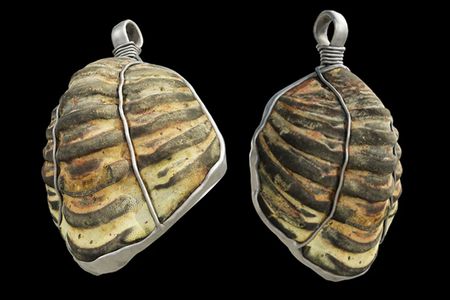
This image represents one illustration of how the trilobite fossil may have been set as an amulet or pendant.

Cool Finds

Ancient Romans Loved Fossils Just as Much as We Do, Even Though They May Not Have Fully Understood What They Were

The newly discovered trilobite may be hundreds of millions of years old, but its use 2,000 years ago as an amulet is the focus of a new archaeological finding
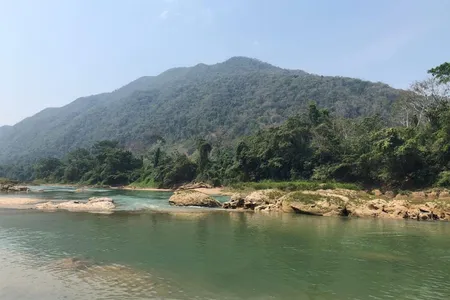
To pinpoint the likely location of Sac Balam, archaeologists plugged data from historical records into a predictive model built with ArcGIS Pro.

Cool Finds

Archaeologists in Mexico Discover Long-Lost City Inhabited by Maya Rebels Who Resisted the Spanish Conquest

After Spanish troops seized their capital, the Lacandon Ch’ol established a new settlement called Sac Balam, or the “Land of the White Jaguar”
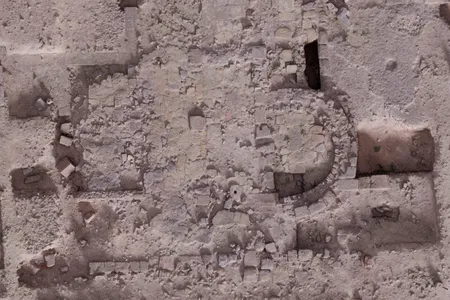
The building's shape is square-like, while Christian churches tend to be rectangular.

New Research

Archaeologists Thought This Ancient Site in Spain Was a Church. Was It Actually a Synagogue?

A new study examines artifacts and features of the site that may be associated with Judaism, though researchers caution that more work is needed
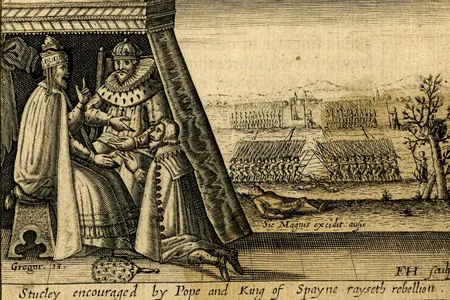
An illustration of Thomas Stukeley kneeling in front of Pope Gregory XIII and Philip II of Spain, who urged him to raise a rebellion against Elizabeth I of England

The Swashbuckling Tudor Mercenary Who Was Killed in a Battle That Claimed the Lives of Three 16th-Century Kings

Englishman Thomas Stukeley offered his services to various Catholic powers. He died while fighting for the Portuguese at the Battle of Alcácer Quibir on August 4, 1578
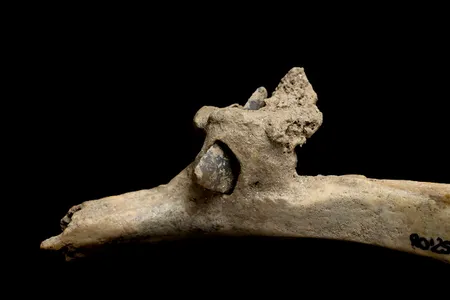
This flint arrowhead was found embedded in a human rib at the Roc de les Orenetes site in northeastern Spain.

An Archer Shot This Bronze Age Human in the Back. 4,000 Years Later, the Arrow Is Still Embedded in the Victim’s Rib Bone

The attack took place during a period of conflict between groups living in the Pyrenees mountains in modern-day Spain

A young Ernest Hemingway on what would prove his most fruitful trip to Pamplona, in July 1925.

Go Behind the Scenes of the Running of the Bulls

An offbeat journey to the legendary Spanish festival 100 years after the life-changing trip that inspired Ernest Hemingway to write “The Sun Also Rises”
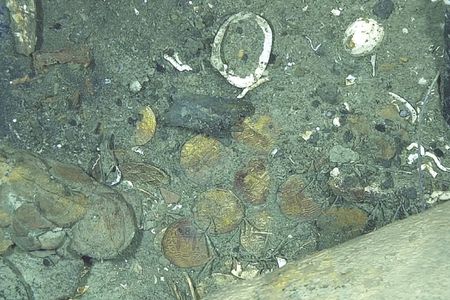
These gold coins, known as cobs, date to 1707, the year before the San José sank.

Cool Finds

These Gold Coins May Solve the Mystery of the ‘World’s Richest Shipwreck,’ Confirming Its Identity as a Legendary 18th-Century Galleon

Minted in Peru in 1707, the money bolsters the evidence that the wreck is the Spanish ship “San José,” which sank off the Colombian coast in 1708 with treasure worth billions on board
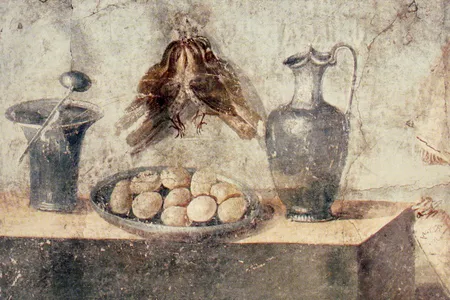
A painting found in Pompeii depicting eggs, bronze dishes and two small birds hung on a wall

New Research

This Ancient Roman Casual Dining Joint Served Fish, Chicken and—Fried Songbird

A new analysis of the bones in the eatery’s garbage pit challenges the elite status of thrush in the Roman diet

Page 3 of 13