Subscribe to Smithsonian magazine and get a FREE tote.

Colonialism

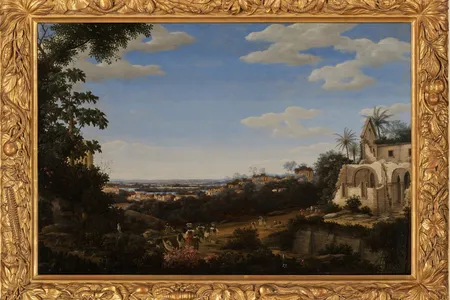
View of Olinda, Brazil, with Ruins of the Jesuit Church, Frans Post, 1666

Cool Finds

This 17th-Century Dutch Painting Was Rescued From a Dusty Barn Attic in Connecticut. It Just Sold for More Than $7 Million

Painted in 1666, “View of Olinda, Brazil, With Ruins of the Jesuit Church” is a masterpiece by Frans Post, one of the first European-trained artists to depict the landscapes of Dutch Brazil
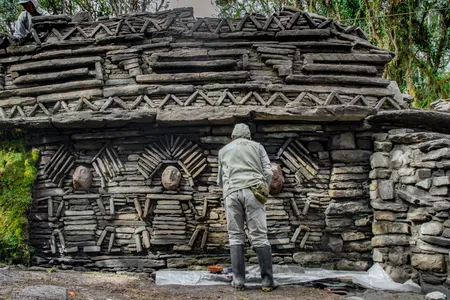
Conservation work at Gran Pajatén

Cool Finds

Archaeologists Discover More Than 100 Structures Linked to a Mysterious Pre-Columbian Civilization in the Remote Peruvian Andes

Based in high-altitude urban centers, the Chachapoya resisted conquest by the Inca Empire for centuries
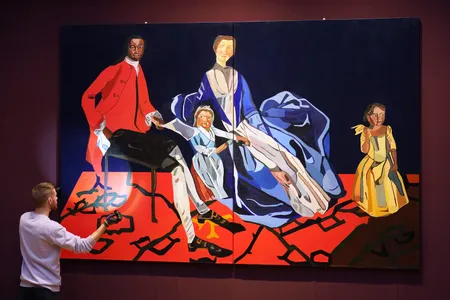
An 18th-Century Family, Joy Labinjo, 2022

New Exhibition Features Contemporary Portraits Honoring Forgotten Black Abolitionists

Cambridge University’s Fitzwilliam Museum is spotlighting the men and women who fought to end slavery but received little attention from artists during their lifetimes
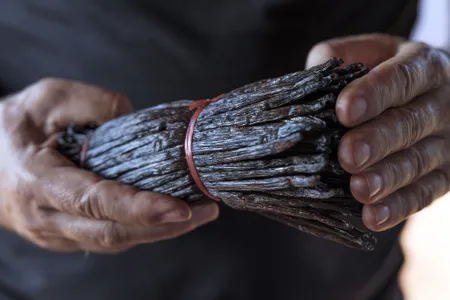
Vanilla producer Bertrand Côme displays bound and dried vanilla beans for sale at his Réunion farm. The beans generally grow as long as 6 to 11 inches.

The Bittersweet Beginnings of Vanilla Cultivation Can Be Traced Back to the Far-Flung Isle of Réunion

A journey to the remote Indian Ocean island reveals the story behind the fragrant, delicious, ubiquitous spice—and the enslaved youth who made it a commercial success
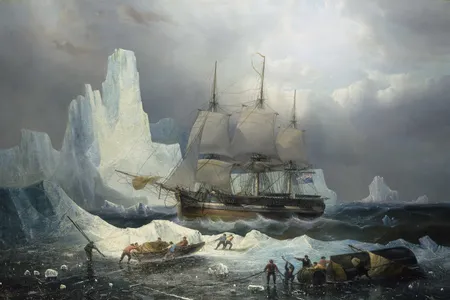
Ever since its departure from England exactly 180 years ago, on May 19, 1845, the Franklin expedition has captivated the public’s imagination.

The Shipwrecks From John Franklin’s Doomed Arctic Expedition Were Exactly Where the Inuit Said They Would Be

In May 1845, 129 British officers and crew members set out in search of the Northwest Passage on HMS “Erebus” and HMS “Terror.” None returned
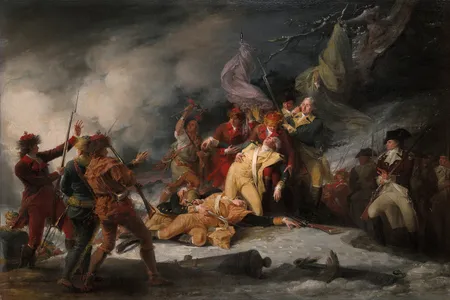
A John Trumbull painting of the death of American General Richard Montgomery at the Battle of Quebec on December 31, 1775

America's 250th Anniversary

How the Thirteen Colonies Tried—and Failed—to Convince Canada to Side With Them During the American Revolution

After peaceful attempts at alliance-building stalled, the Continental Army launched an ill-fated invasion of Quebec in June 1775

The cats that perished aboard the Emanuel Point II were well-fed and may have served as companions for the sailors.

New Research

Spanish Shipwreck Reveals Evidence of Earliest Known Pet Cats to Arrive in the United States

The two felines—one adult, one juvenile—appear to have been cared for by the sailors before the vessel sank in a hurricane in 1559, according to a new study
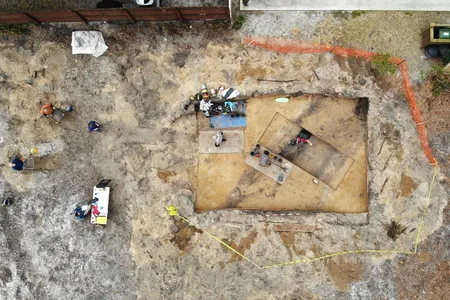
The excavations that uncovered the British fortifications took place at the site of a proposed single-family home in St. Augustine, Florida.

Cool Finds

Archaeologists Unearth Rare Reminder of Britain’s Brief Reign Over the ‘Nation’s Oldest City’

The find offers archaeological evidence of the 20-year interlude when the British ruled St. Augustine, Florida, which was founded by the Spanish in 1565
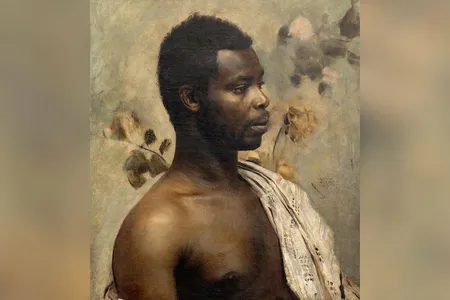
Prince William Nii Nortey Dowuona, Gustav Klimt, 1897

Cool Finds

This Dusty Painting Turned Out to Be Gustav Klimt’s Long-Lost Portrait of an African Prince

Experts think the renowned Austrian Symbolist painted the artwork in 1897. An art gallery in Vienna has priced it at $16 million
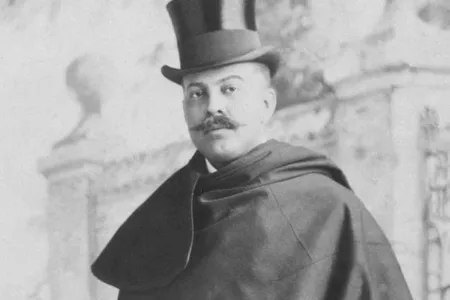
William Henry Ellis traveled the world, made and lost millions, tried his hand at Texas politics, consulted with emperors, and met with the presidents of multiple countries.

Untold Stories of American History

Born Enslaved, This Black Millionaire Attempted to Colonize Mexico and Aspired to Be the Emperor of Ethiopia

William Henry Ellis masqueraded as a Mexican businessman, but he never shied away from his Black roots
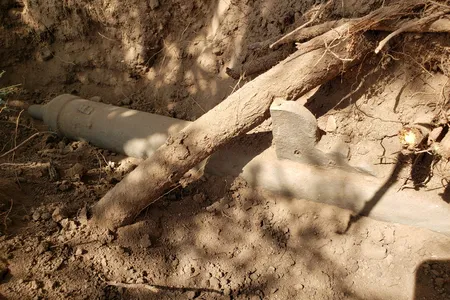
During a systematic metal detector survey in southern Arizona, Deni Seymour unearthed a 16th-century cannon likely left behind by Spanish conquistadors.

These 500-Year-Old Cannons May Help Unravel the Mysteries of the Coronado Expedition

The 16th-century artifacts were found during excavations in Arizona. Researchers say they may be the oldest firearms ever discovered in the continental United States
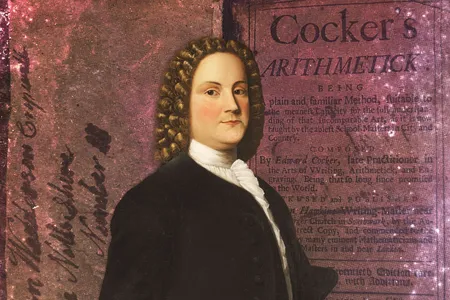
By age 16, “being on some occasion made ashamed of my ignorance in figures, which I had twice failed in learning when at school,” Benjamin Franklin wrote, “I took Cocker’s book of arithmetic and went through the whole by myself with great ease.”

After Failing Math Twice, a Young Benjamin Franklin Turned to This Popular 17th-Century Textbook

A 19th-century scholar claimed that “Cocker’s Arithmetick” had “probably made as much stir and noise in the English world as any [book]—next to the Bible”
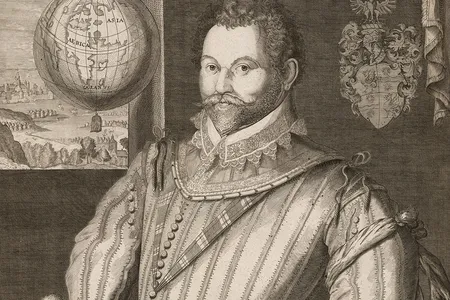
A 1583 portrait of Sir Francis Drake

On This Day in History

In 1577, an English Explorer Set Out to Circumnavigate the World. Here’s What His Groundbreaking Journey Accomplished

Francis Drake’s successful voyage included British sailors’ arrival in California and the plundering of a glut of Spanish riches that sustained Elizabeth I’s empire

An 1812 illustration of a private from the Fifth West India Regiment. In the 1790s, the remaining members of the Carolina Corps became part of the newly established First West India Regiment.

America's 250th Anniversary

These Black Soldiers Fought for the British During the American Revolution in Exchange for Freedom From Slavery

The Carolina Corps achieved emancipation through military service, paving the way for future fighters in the British Empire to do the same

The five women—Marie-Jose Loshi, Monique Bitu Bingi, Lea Tavares Mujinga, Simone Ngalula and Noëlle Verbeken—took legal action against the Belgian state for the suffering they endured as children.

Belgium Has Been Found Guilty of ‘Crimes Against Humanity’ for Kidnapping Thousands of Children in Congo

A Brussels court has ordered Belgium to pay damages to five women, now in their 70s and 80s, who were abducted from their parents when they were young children
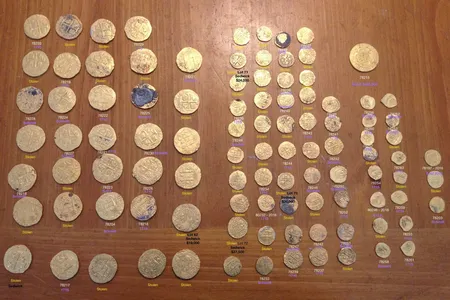
While roughly three dozen of the stolen coins have been recovered, 13 are still at large.

A Trove of Gold Coins Stolen From 300-Year-Old Florida Shipwrecks Has Been Recovered by Investigators

Contracted divers found 101 gold coins from the wreckage of a Spanish fleet in 2015, but they only reported 51 to authorities. Now, 37 of the stolen coins have been found
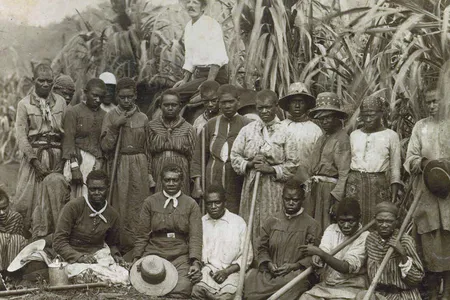
Estimates of the number of Pacific Islanders captured by blackbirders and forced to work on cotton and sugar plantations in Fiji and Australia range from 61,610 to more than 100,000.

How ‘Blackbirders’ Forced Tens of Thousands of Pacific Islanders Into Slavery After the Civil War

The decline of the American South’s cotton and sugar industries paved the way for plantations in British-controlled Fiji and Australia, where victims of “blackbirding” endured horrific working conditions
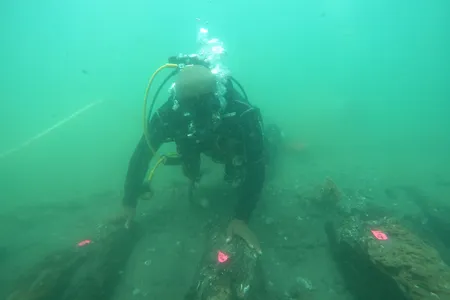
Archaeologists Caesar Bita and Filipe Castro dove to investigate the wreck.

New Research

A Mysterious Shipwreck Rests Just 20 Feet Below the Surface. It May Be Connected to Vasco da Gama’s Final Voyage

Researchers think a coral-covered vessel discovered off the Kenyan coast could be the “São Jorge,” a galleon that sank 500 years ago
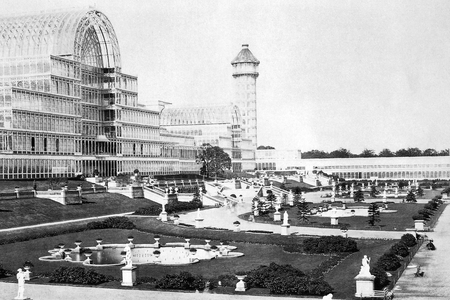
View of the Crystal Palace circa 1854, after the building was relocated to Sydenham in South London

On This Day in History

When London’s Iconic Crystal Palace Burned to the Ground in a Devastating Fire

Three years before World War II, on this day in 1936, an inferno marked the symbolic end of the global hegemony of the British Empire
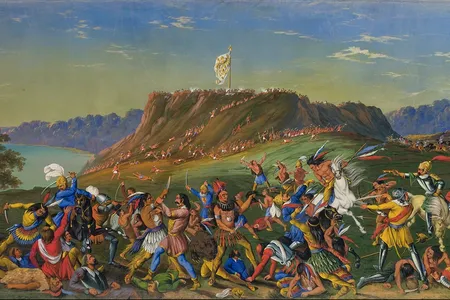
John J. Egan's massive 24-panel Panorama of the Monumental Grandeur of the French Colonial Mississippi Valley depicts the Natchez revolt. Created in 1850, the panorama features scenes from across the Mississippi and Ohio River valleys.

On This Day in History

In a ‘Horrific’ Attack Meant to Scare the Intruders, Natchez Warriors Revolted Against the French, Killing 230 Colonists

The 1729 attack in present-day Mississippi was part of a vicious cycle of violence and retribution

Page 3 of 18