Subscribe to Smithsonian magazine and get a FREE tote.

American Revolution

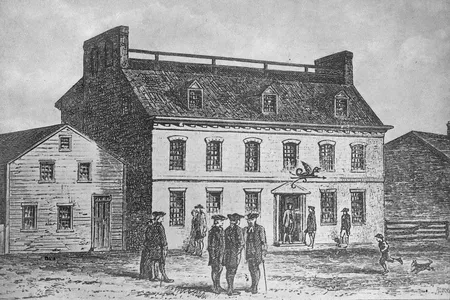
The Green Dragon Tavern, a coffeehouse in Boston that served as a meeting place for the Sons of Liberty

America's 250th Anniversary

In Colonial America, Patriots Flocked to Coffeehouses to Debate Politics and Sow the Seeds of Revolution

These storied establishments served up more than just hot drinks. They acted as intellectual hubs and meeting places for dissenters
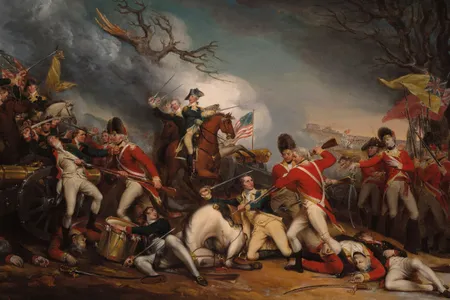
A John Trumbull painting of the death of General Hugh Mercer at the Battle of Princeton in 1777

America's 250th Anniversary

Ken Burns Says His New Documentary Forced Him to Revisit Everything He Thought He Knew About the American Revolution

Ahead of the PBS production’s premiere, the legendary filmmaker and co-director Sarah Botstein share insights on their research process and the surprising, long-overlooked stories featured in the six-part series
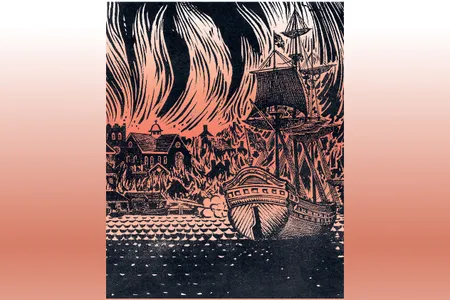
A 1976 postcard features an illustration of the burning of Norfolk. 

In January 1776, Virginia’s Port City of Norfolk Was Set Ablaze, Galvanizing the Revolution. But Who Really Lit the Match?

Blaming the British for the destruction helped persuade some wavering colonists to back the fight for independence. But the source of the inferno was not what it seemed
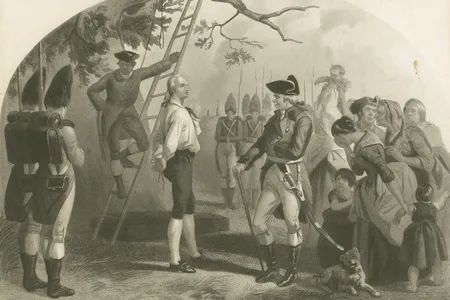
A romanticized depiction of the execution of Nathan Hale on September 22, 1776

America's 250th Anniversary

Nathan Hale, the Doomed Patriot Spy, Probably Never Said ‘I Only Regret That I Have but One Life to Lose for My Country’ Before His Execution

The young Connecticut schoolmaster’s intelligence-gathering mission was ill-fated from the start. But after he was hanged by the British in September 1776, his story became the stuff of legend
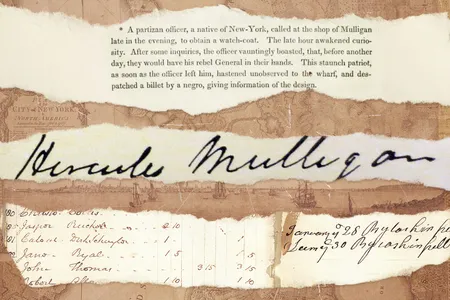
The Cato who aided Hercules Mulligan might have been a man enslaved by the powerful Schuyler family.

Untold Stories of American History

Did an Enslaved Chocolatier Help Hercules Mulligan Foil a Plot to Assassinate George Washington?

New research sheds light on the possible identity of Cato, the Black man who conveyed the tailor’s lifesaving intelligence to the Americans during the Revolutionary War
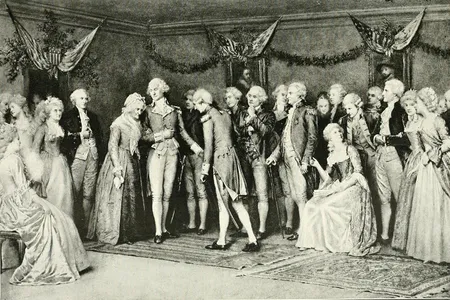
A depiction of George Washington and his mother, Mary Ball Washington, attending a ball celebrating the surrender at Yorktown in 1781

America's 250th Anniversary

The Reinvention of George Washington’s Mother, From Paragon of Virtue to Greedy Shrew to Widow Striving for Independence

A new biography examines how 19th-century Americans remembered Mary Ball Washington, who raised the future president largely on her own after her husband’s death in 1743
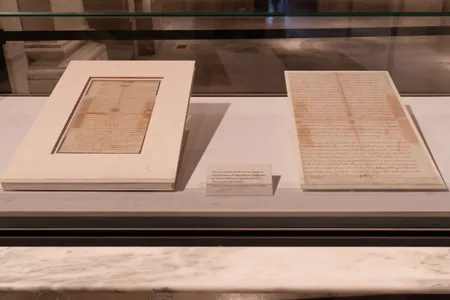
The New York Public Library has one of Thomas Jefferson's handwritten copies of the Declaration of Independence in its collection.

America's 250th Anniversary

See Thomas Jefferson’s Handwritten Copy of the Declaration of Independence

The rare document will be on view for just three days at the New York Public Library next year in celebration of America’s 250th anniversary
None

America's 250th Anniversary

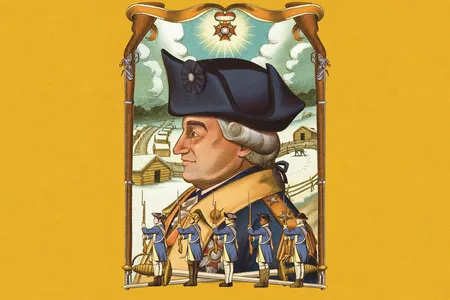
The Underappreciated True Story of the Brash Prussian Military Officer Who Whipped the Patriots Into Shape at Valley Forge

Most Americans think of George Washington’s winter encampment as brutal and deadly. But Friedrich von Steuben, an out-of-work military veteran from Europe, turned it into a fruitful training ground
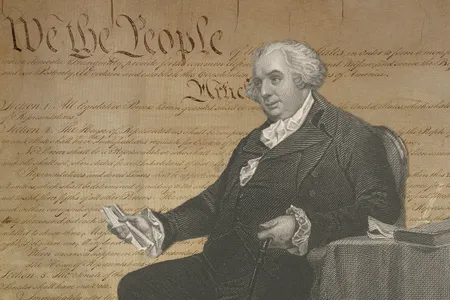
Gouverneur Morris condensed and revised a draft of the United States Constitution, but he came to doubt his own words by the end of his life.

America's 250th Anniversary

The Founding Father Who Lost a Leg, Romanced Married and Single Women Alike, and Escaped the Bloodshed of the French Revolution

Gouverneur Morris wrote the preamble to the Constitution and shaped the future of the nascent United States. Later in life, he rejected the foundational document as a failure
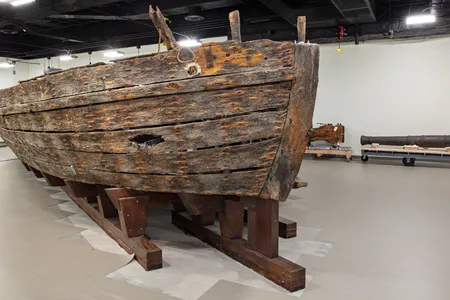
The vessel's timbers are shrinking and its iron fittings are disintegrating.

America's 250th Anniversary

Watch as Experts Preserve a 249-Year-Old Gunboat That Sank During the American Revolution

Badly damaged during the Battle of Valcour Island, the “Philadelphia” is now the focus of a new exhibition at the Smithsonian’s National Museum of American History
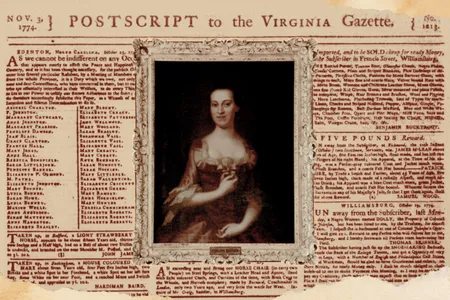
“We cannot be indifferent on any occasion that appears nearly to affect the peace and happiness of our country,” wrote the resolution’s 51 signees. Their words were republished in newspapers across the Thirteen Colonies and beyond.

America's 250th Anniversary

To Protest British Taxes, Men Dumped Tea Into Boston Harbor. With the Edenton Tea Party, Colonial Women Took a Different Approach

In 1774, 51 North Carolinian women led by Penelope Barker signed a resolution supporting the boycott of British goods
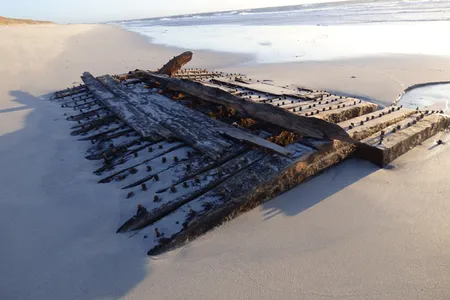
The Earl of Chatham, previously a Royal Navy vessel called the HMS Hind, was discovered in February 2024 on the shores of Sanday.

America's 250th Anniversary

A Boy Found a Shipwreck on a Scottish Beach. It Turned Out to Be a 250-Year-Old Warship From the American Revolution

The HMS “Hind,” later renamed the “Earl of Chatham,” was a frigate in the British Royal Navy before it was repurposed as a whaling vessel
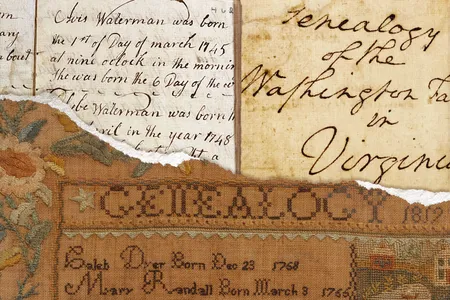
Karin Wulf's new book, Lineage: Genealogy and the Power of Connection in Early America, explores the many ways in which people of the past reflected on their family histories.

Why 18th-Century Americans Were Just as Obsessed With Their Genealogy as We Are Today

People living in British America and later the nascent United States recorded their family histories in needlework samplers, notebooks and newspapers
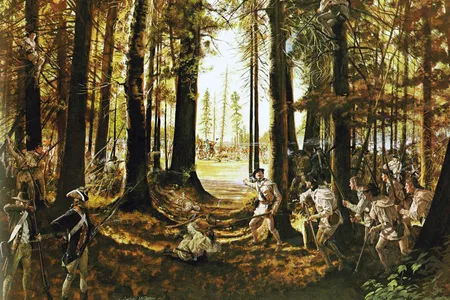
A romanticized 1975 depiction of Daniel Morgan's riflemen at the Battle of Bemis Heights in Saratoga, New York, on October 7, 1777

America's 250th Anniversary

How a Relentless, 484-Mile March From Virginia to Massachusetts Fueled the Legend of the Dashing Frontier Rifleman

In the early months of the American Revolution, Daniel Morgan and his soldiers raced north to join the Continental Army during the so-called Beeline March
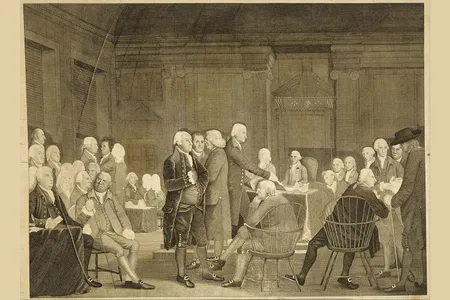
An engraving by Edward Savage, after Robert Edge Pine's 1784-1788 painting Congress Voting Independence

America's 250th Anniversary

These Daring Revolutionary-Era Artists Promoted the Patriot Cause From the Heart of Enemy Territory

A new book explores how painters, sculptors and writers, especially women and people of color, used their craft to advocate for American independence while living in George III’s capital city
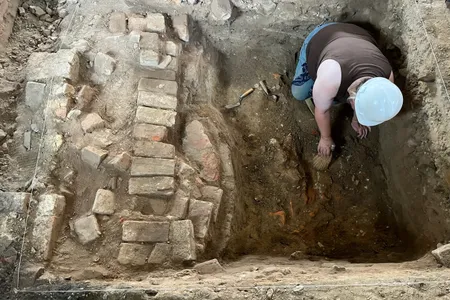
Researchers are exploring the site while construction crews renovate and expand Brown Hall, which has been renamed Robert M. Gates Hall.

Archaeologists Unearth Artifacts From One of the Nation’s Oldest Schools for Black Children

News of the discoveries comes amid the opening of the Williamsburg Bray School building, which educated hundreds of free and enslaved Black children between 1760 and 1774
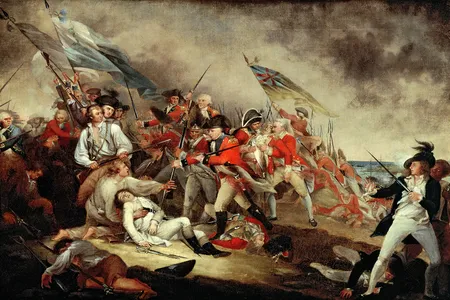
This John Trumbull painting of the Battle of Bunker Hill presents a romanticized version of Joseph Warren's death.

America's 250th Anniversary

This Forgotten Founding Father Hoped to ‘Die Up to My Knees in Blood’ in the Fight for American Independence. He Got His Wish

Joseph Warren was a key leader of the American Revolution, mobilizing troops and managing a circle of spies. But he’s mainly remembered for his death at the Battle of Bunker Hill on June 17, 1775
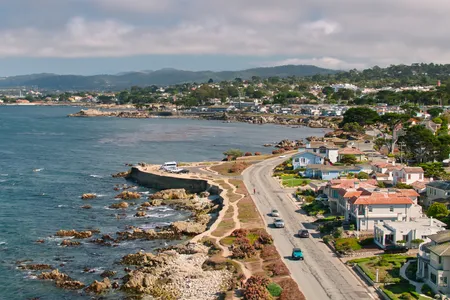
Perched on the southern edge of the picturesque Monterey Bay, Pacific Grove, California, is home to the Monarch Grove Sanctuary, one of the largest overwintering sites of monarch butterflies in the region.

The 15 Best Small Towns to Visit in 2025

From a barbecue capital in Texas to the site of the first offensive victory for American forces in the Revolutionary War in New York, these spots are worthy of a visit this year
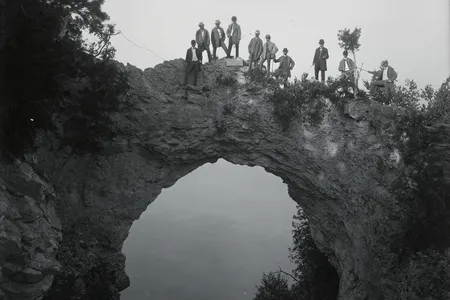
Visitors pose atop Arch Rock, a geological formation on Mackinac Island.

How America’s Forgotten Second National Park Lost Its Federal Status—and Gained a New Lease on Life as a State Park

Much of Mackinac Island was designated as a national park in 1875, but it proved to be too expensive for the government to maintain, so it was transferred to the State of Michigan in 1895
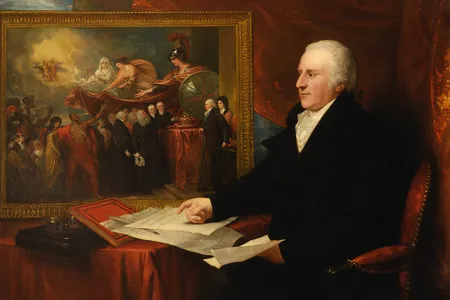
A replica of Benjamin West's Reception of the American Loyalists by Great Britain in the Year 1783 appears in the background of this 1812 portrait of English judge John Eardley Wilmot.

America's 250th Anniversary

Meet the Defiant Loyalists Who Paid Dearly for Choosing the Wrong Side in the American Revolution

American colonists who aligned with the British lost their lands, their reputations and sometimes even their lives

Page 4 of 14