
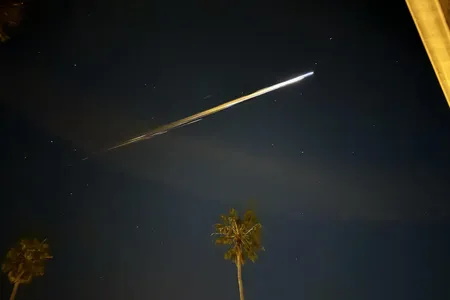
Sonic Booms and Earthquake Sensors Can Help Researchers Track Space Junk as It Plummets to Earth
Falling debris can travel at about 30 times the speed of sound, creating sonic booms that shake the ground
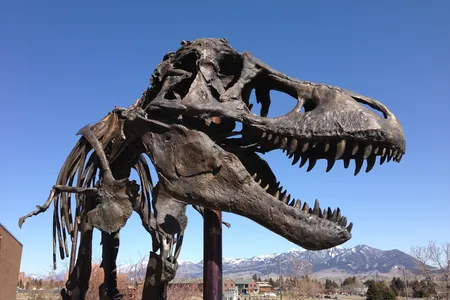
Tyrannosaurus Rex Was Probably a Late Bloomer—and May Have Taken Around 40 Years to Grow Up
The behemoth dinosaurs grew more slowly and had longer life spans than previously thought, a new study suggests
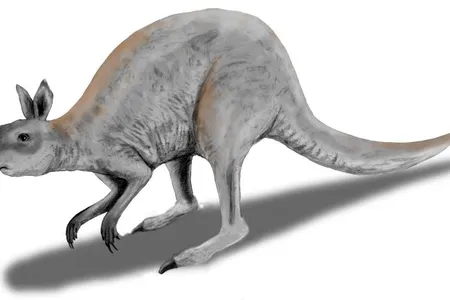
Giant Kangaroos That Lived During the Ice Age May Have Hopped—Despite Weighing Up to 550 Pounds
The extinct animals may have bounced from scary situations, such as coming face to face with hungry predators

Positive Thinking Might Boost Your Immune System’s Responses to Vaccines, New Research Suggests
Researchers found an association between increased activity in a reward region of the brain—primarily stimulated by hopeful thinking—and heightened levels of protective antibodies after receiving a vaccine
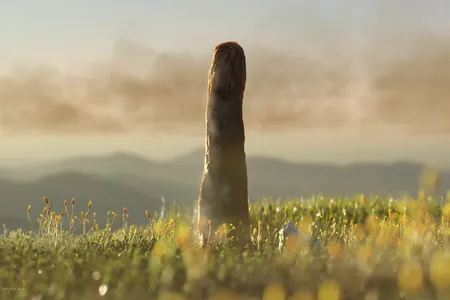
This Mysterious 407-Million-Year-Old Fossil May Represent a Previously Unknown Branch of Life
Earth’s first large land organisms—tree trunk-like beings that stood up to 26 feet tall—weren’t early fungi but, rather, something else entirely, a study suggests
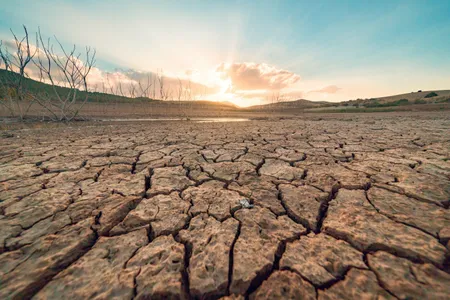
United Nations Declares That the World Has Entered an Era of ‘Global Water Bankruptcy’
We’re living beyond our hydrological means and need to focus on long-term recovery, according to a new report
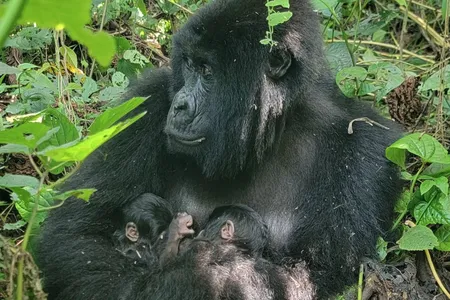
While the birth is sparking joy, infant mountain gorillas are vulnerable, and twins can be twice as hard for a mother to take care of
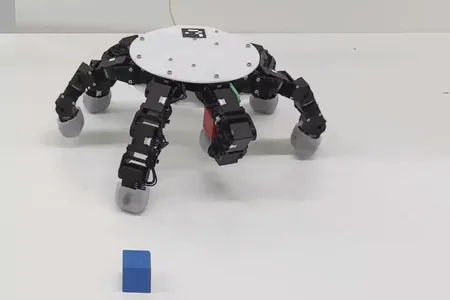
With up to six fingers that can bend in multiple directions, the innovative tool could one day be used to carry out tasks in tight spaces
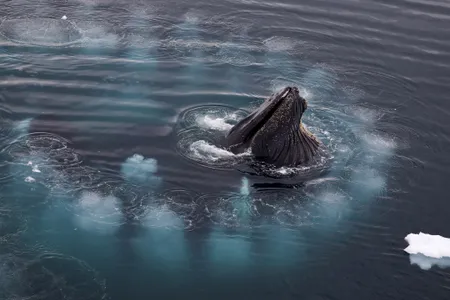
Humpback Whales Are Probably Learning How to Catch Prey With Bubble Nets by Watching One Another
The foraging strategy may help make humpbacks more resilient to food scarcity, emphasizing the importance of preserving their cultural knowledge, a study suggests
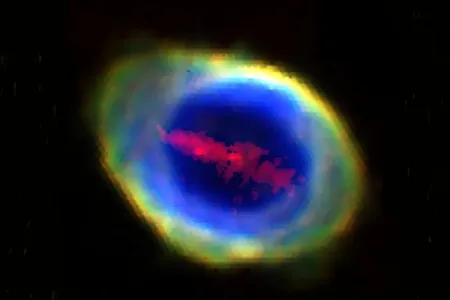
Astronomers Discover a Mysterious Bar-Shaped Cloud of Iron Within the Iconic Ring Nebula
Humans have been eyeing the colorful Ring Nebula for nearly 250 years, but testing out a new telescope tool led to the perplexing finding
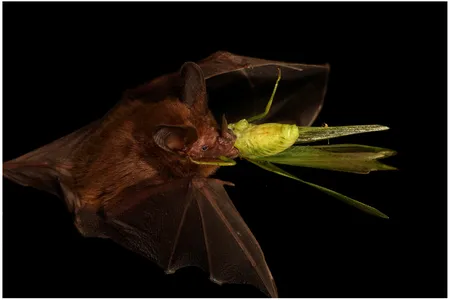
A Robot Is Unraveling the Secrets of How Some Bats Bounce Sound Waves Off Leaves to Find Insect Prey
A new study from the Smithsonian Tropical Research Institute used a robot to mimic common big-eared bats’ echolocation skills

This Plant Produces Plump, Fake Berries to Trick Birds Into Spreading Its Offspring Far and Wide
The black-bulb yam excels at mimicry, producing small clones of itself that look like the dark, shiny berries of seed-growing plants
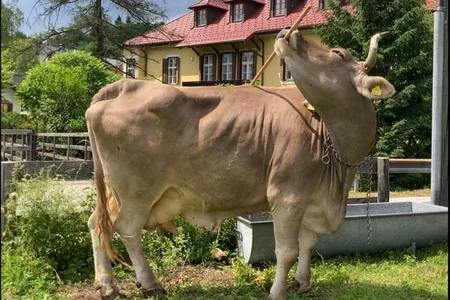
The pet cow’s tool use challenges long-held assumptions about bovine intelligence
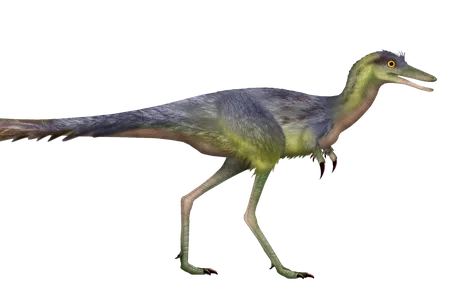
This Dinosaur May Have Used Its Strange Clawed Hands to Pilfer and Pierce Eggs
A fresh analysis of a fossil found almost 50 years ago reveals a newly described genus named for its “manipulating claw”
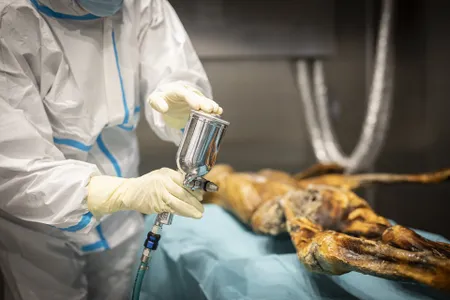
A new study, which also found evidence of the high-risk strain in 45,000-year-old remains, suggests HPV has evolved alongside humans for many millennia
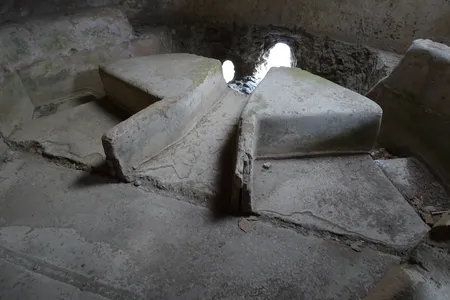
The Public Baths of Ancient Pompeii Were Actually Pretty Gross—Until the Romans Built an Aqueduct
Hygienic conditions were poor in the city’s older bathing facilities, a new study reveals. The analysis sheds light on Pompeii’s water systems and residents’ bathing habits
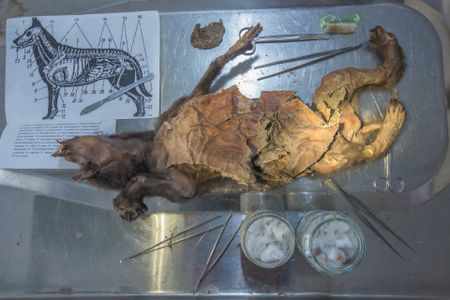
Analysis of woolly rhinoceros DNA recovered from the permafrost-preserved wolf further hints that the Ice Age beasts went extinct because of a sudden shift in the climate
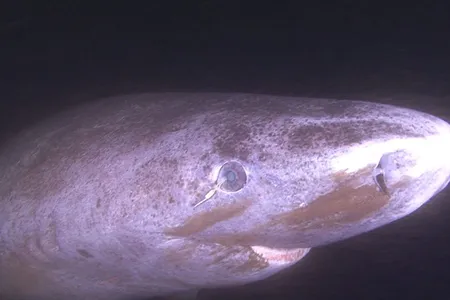
The long-living sharks aren’t as blind as once thought and have DNA repair mechanisms that may help prevent their vision from degrading, a study suggests
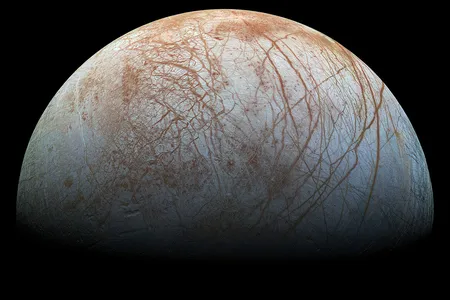
On Earth, deep-sea vents may have given rise to the planet’s first life. But nothing of the sort seems to be happening at the bottom of Europa’s ocean, a study suggests
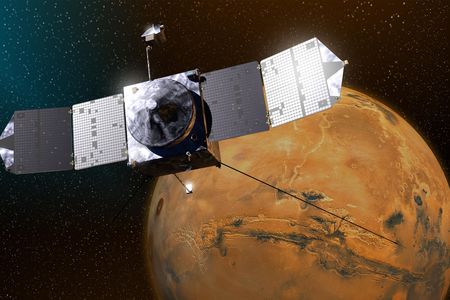
Scientists haven’t heard from the MAVEN orbiter since December 6. It had been studying the Martian atmosphere for over a decade
Page 38 of 556