
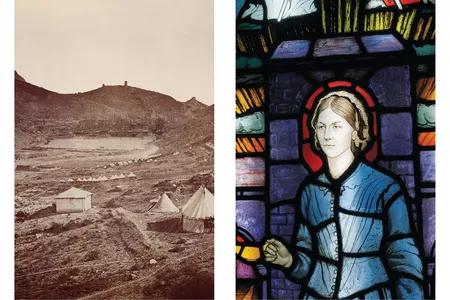
The Defiance of Florence Nightingale
Scholars are finding there’s much more to the “lady with the lamp” than her famous exploits as a nurse in the Crimean War
Readers respond to our stories on crosswords, Fallingwater, and the Ingenuity Awards recipients
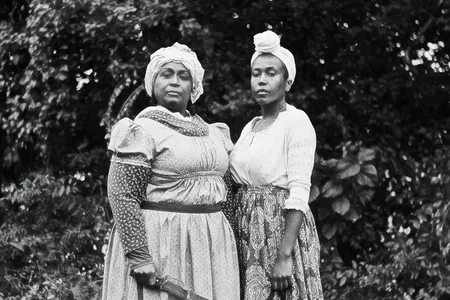
Scenes From a Reenactment of a Slave Uprising
Earlier this year, a group of organizers led by a daring performance artist donned 19th-century clothes and recreated the 1811 revolt
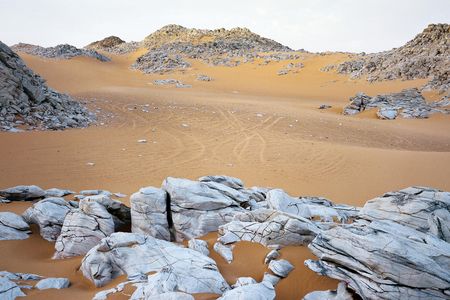
Photographs From One of the World’s Most Troubled, and Least Understood, Regions
A photojournalist journeys to the Sahara-Sahel desert of remote northern Africa to catalogue the state of emergency on the ground

Soil From a Northern Ireland Graveyard May Lead Scientists to a Powerful New Antibiotic
An ancient legend could provide a new weapon in the fight against deadly bacteria
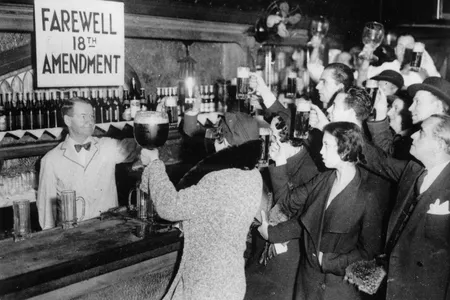
Breaking Down the Numbers of Americans’ Drinking Habits
A century after Prohibition, we uncork a history of the nation’s shifting relationship with booze

The Unheralded Influence of Mexico’s Muralists
These painters, the focus of a new exhibition at the Whitney, put their own stamp on 20th-century art

The online resource will offer vital details about the toll wrought on the enslaved
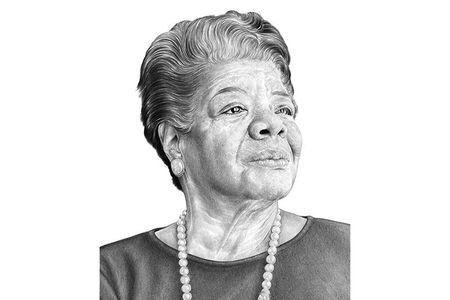
Published More Than 50 Years Ago, ‘I Know Why the Caged Bird Sings’ Launched a Revolution
Maya Angelou’s breakthrough memoir forever changed American literature and helped carve a new space for black self-expression
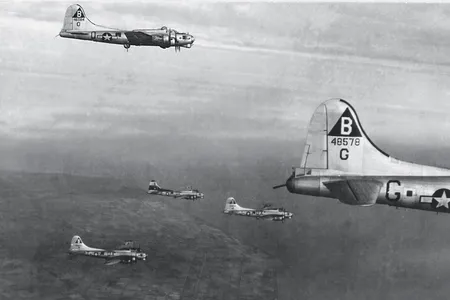
A WWII Airman’s Son Tracks Down His Father’s Last Mission—to Destroy a Nazi Weapon Factory
The impact of one heroic flight would take decades to reconcile

The Story of How Humans Came to the Americas Is Constantly Evolving
Surprising new clues point to the arrival taking place thousands of years earlier than previously believed
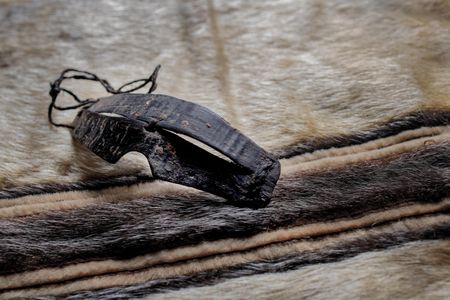
These Snow Goggles Demonstrate Thousands of Years of Indigenous Ingenuity
Made in Alaska and fashioned to protect against snow glare, the eyewear was carved from whale baleen circa 1890
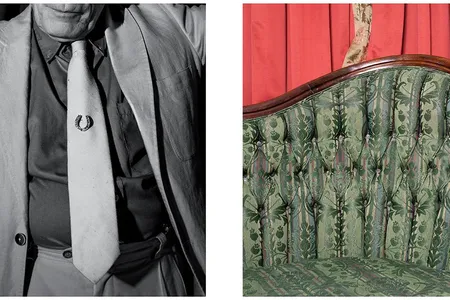
The Charlatan of the Ozarks Still Looms Over the Haunted Crescent Hotel
A notorious quack peddled cures at an Arkansas resort in the 1930s. Nowadays the con game is all for show

Is the Amazon on a Road to Ruin?
Brazil’s plan to develop a lonesome track in the heart of the rainforest poses a threat the whole world may someday have to overcome

The Psychology Behind Generational Conflict
Older people have groused about younger people for millennia. Now we know why
Readers respond to our stories on Nazi map data, Che Guevara and letters from the war front

How the Spread of the Answering Machine Got Put on Hold
A telephone monopoly and a fear of wiretapping kept the invention out of homes for decades
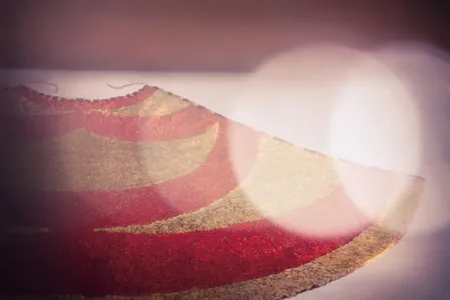
A Feathered Cape Worn by a Hawaiian Chief Tells a Story of Conflict and Tragedy
Dating back 200 years, the cloak represents the violence brought to the islands by colonial powers

What the Fight Over Scooters Has in Common With the 19th-Century Battle Over Bicycles
The two-wheelers revolutionized personal transport—and led to surprising societal changes

How the Crossword Became an American Pastime
The newspaper standby still rivets our attention a century later
Page 43 of 95