
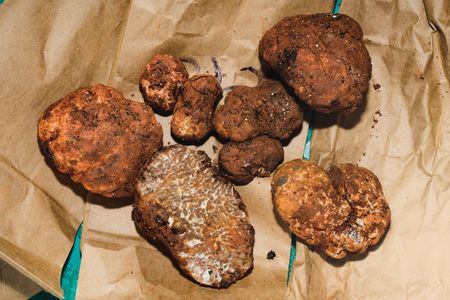
Has the American-Grown Truffle Finally Broken Through?
These delicacies, harvested in an experiment in North Carolina, have food-lovers and farmers ravenous for more
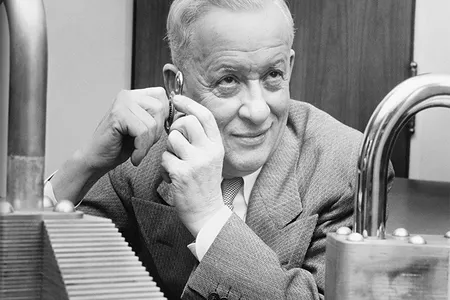
Master Lock Has Had a Hold on the Industry for 100 Years
A century ago, Harry Soref made his Milwaukee-based company into a world leader with his invention of the laminated steel padlock

Innovation for Good: Game Changers
Can Climate Fiction Writers Reach People in Ways That Scientists Can’t?
A new subgenre of science fiction leans on the expertise of biologists and ecologists to imagine a scientifically plausible future Earth
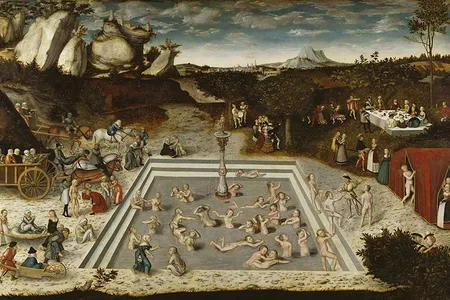
In the Search to Stall Aging, Biotech Startups Are Out for Blood
A handful of companies are trying vastly different approaches to spin animal studies into the next big anti-aging therapy
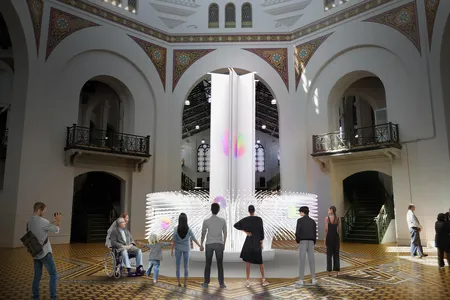
A New, Interactive Sculpture by Suchi Reddy Illuminates Our Hopes and Fears About the Future
The A.I.-powered installation, a hallmark of the Smithsonian’s upcoming “Futures” show, promises something never seen or experienced before
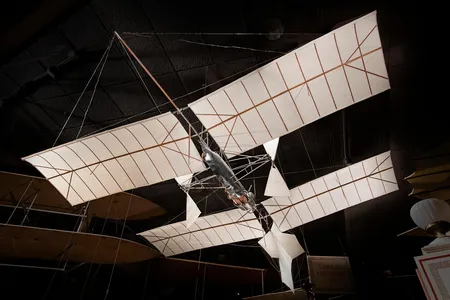
This Odd Early Flying Machine Made History but Didn’t Have the Right Stuff
Aerodrome No. 5 had to be launched by catapult on the Potomac River on May 6, 1896, but it flew unpiloted 3,300 feet
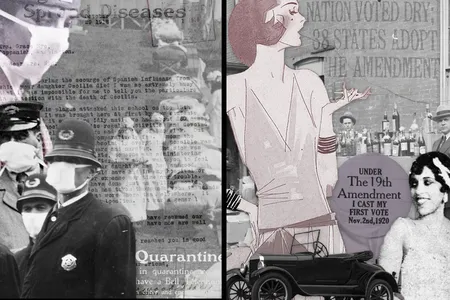
What Caused the Roaring Twenties? Not the End of a Pandemic (Probably)
As the U.S. anticipates a vaccinated summer, historians say measuring the impact of the 1918 influenza on the uproarious decade that followed is tricky

The Surprising Success Story of Fish Sticks
The 1950s convenience food has enjoyed a winning streak—no less so than during the Covid-19 pandemic

We Won’t Be the Only Ones Eating Lab-Grown Meat—Our Pets Will Too
Pet food companies are looking to the future with cell-cultured meat
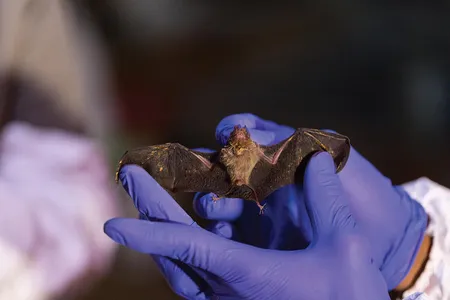
Secretary Lonnie Bunch on the Power of Research at the Smithsonian
We can accomplish more when we unite our robust scientific capabilities with our educational reach
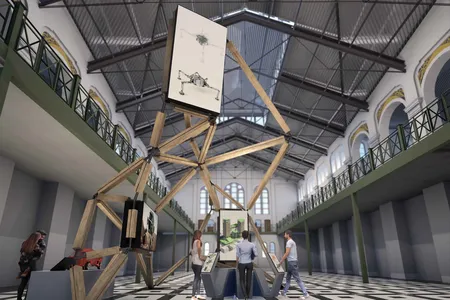
What If Humans and Artificial Intelligence Teamed Up to Build Better Communities?
Smithsonian’s ‘Futures’ exhibition team and Autodesk announce groundbreaking interactive experience to showcase a bold new problem-solving philosophy

Innovation for Good: Game Changers
This Ultra-White Paint May Someday Replace Air Conditioning
Developed by researchers at Purdue University, the paint reflects 98.1 percent of sunlight

How Opera Singing Is Helping Long-Haul Covid-19 Patients Recover
Developed in the United Kingdom, ENO Breathe is a virtual program that rehabilitates patients through the art of song
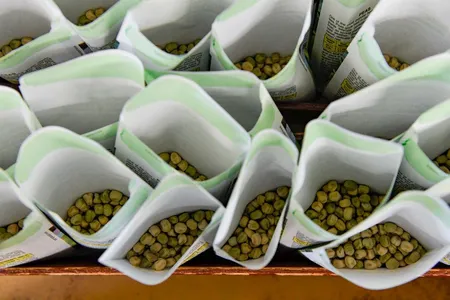
How to Germinate Seeds for Your Garden Using an Instant Pot
Hack your way to planting success with the popular kitchen appliance
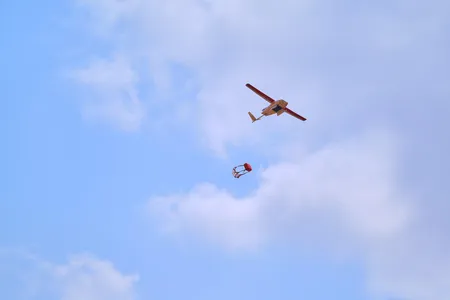
Drones Are Delivering Covid-19 Vaccines to Underserved Communities
The company Zipline is using the technology to provide medical resources to rural areas in markets around the world
Innovation for Good: Game Changers
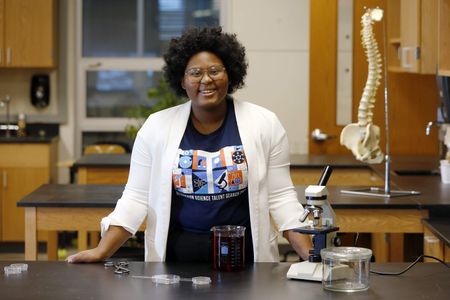
This High Schooler Invented Color-Changing Sutures to Detect Infection
After winning a state science fair and becoming a finalist in a national competition, Dasia Taylor now has her sights set on a patent
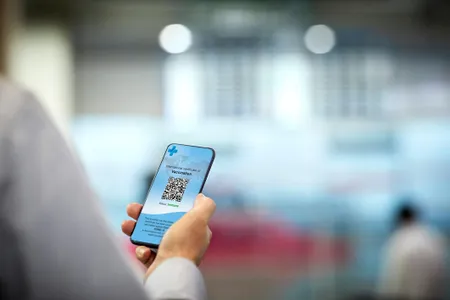
Five Things to Know About Vaccine Passports
As travelers venture out, countries and states are experimenting with forms of documentation that show proof of Covid-19 vaccination
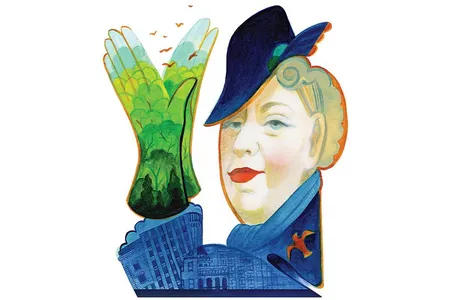
Meet a forgotten hero of our natural world whose brave campaign to protect birds charted a new course for the environmental movement

A Brief History of the Harmonica
How the world’s handiest instrument took over American music

Biologist Marie Fish Catalogued the Sounds of the Ocean for the World to Hear
Scientists once thought marine life kept quiet. Then the Navy tapped an aptly named researcher with an open mind
Page 25 of 151