
One Writer Used Statistics to Reveal the Secrets of What Makes Great Writing
In his new book, data journalist Ben Blatt takes a by-the-numbers look at literary classics and finds some fascinating patterns
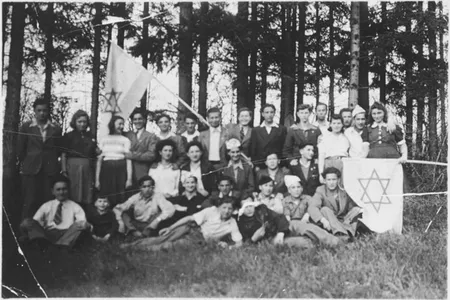
Run by the United Nations, Kloster Indersdorf took a revolutionary approach in caring for its charges
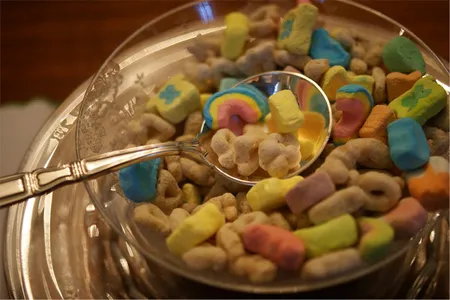
The Patents and Trademarks Behind Lucky Charms Cereal
There’s a lot of food science that goes into those marshmallow clovers

The Beast’s Enchanted Rose Lasted a Decade. How Long Can a Real One Last?
A Smithsonian expert says the film’s was undoubtedly a hybrid tea rose
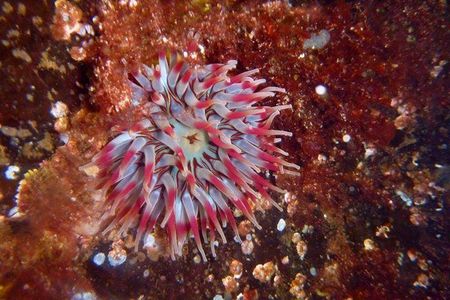
Scotland’s Newest Nature Trails Are Underwater
The Scottish Wildlife Trust is putting snorkelers up close with the country’s marine wildlife
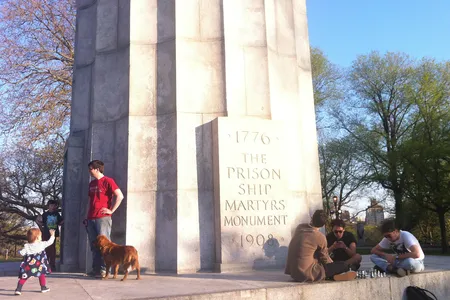
The Grisly History of Brooklyn’s Revolutionary War Martyrs
The Prison Ship Martyrs Monument, a crypt in Fort Greene Park, may become part of the national park system
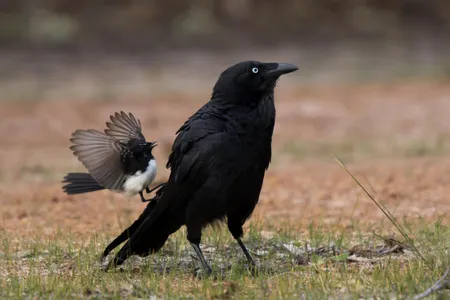
Why Do Male Birds Take on Larger Predators? Maybe Just to Impress the Ladies
Some mobbing behavior may be less about survival, and more about sexual selection
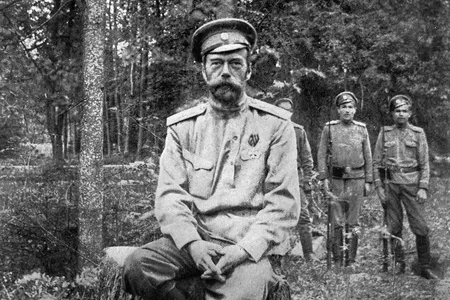
The Abdication of Nicholas II Left Russia Without a Czar for the First Time in 300 Years
Events in Saint Petersburg 100 years ago brought the end to the Romanov dynasty
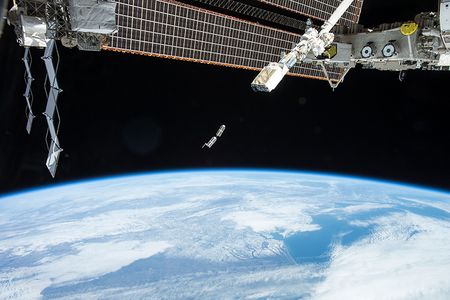
How Daily Images of the Entire Earth Will Change the Way We Look At It
With more satellites than any other company, Planet Labs gives environmental researchers daily data

How Humans Invented Numbers—And How Numbers Reshaped Our World
Anthropologist Caleb Everett explores the subject in his new book, Numbers and the Making Of Us
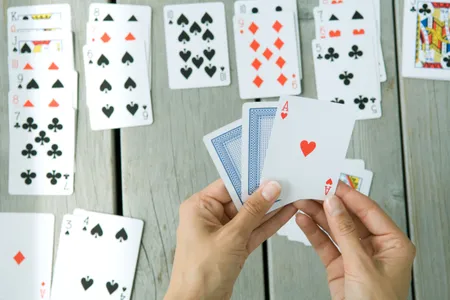
Neuroscientists Unlock the Secrets of Memory Champions
Boosting your ability to remember lists, from facts to faces, is a matter of retraining your brain
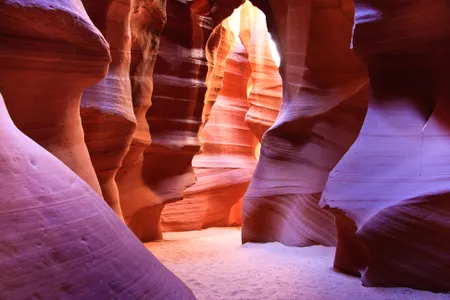
Shimmy Through the World’s Most Spectacular Slot Canyons
Where to explore the best of these narrow, water-worn passageways
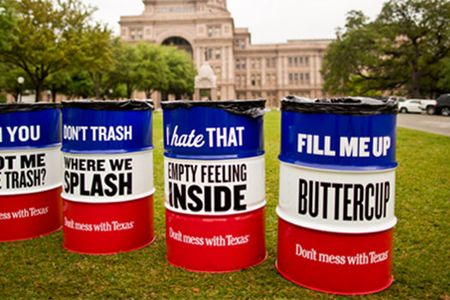
The Trashy Beginnings of “Don’t Mess With Texas”
A true story of the defining phrase of the Lone Star state
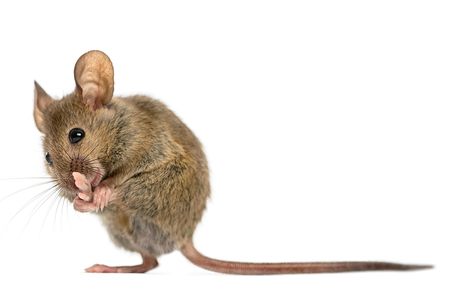
Scientists figure out how compulsive scratching spreads in mice, and maybe humans

Photographs of America’s Eastern Treasures Finally Have Their Moment in the Limelight
A neglected period of American photographic history goes on display at the National Gallery of Art
Could This Chatbot Prevent Some Deportations?
Visabot helps immigrants and visitors to the United States obtain and keep visas
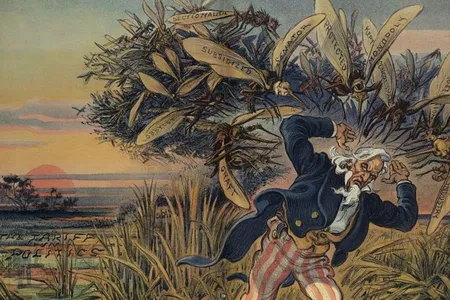
The Myth That Washington Was a Swamp Will Never Go Away
It makes for a catchy slogan used by politicians of all persuasions, but there’s little truth to it
Scientists Delve Into Neanderthal Dental Plaque to Understand How They Lived and Ate
The plaque that coated Neanderthal teeth is shedding new light on how our ancestors ate, self-medicated and interacted with humans
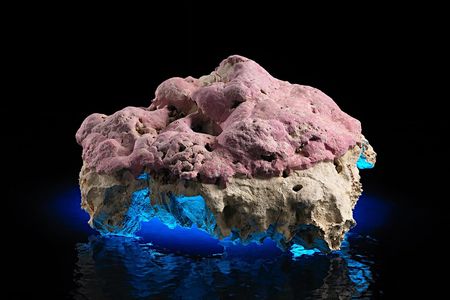
In Its Layers, This Stunning Pink Coralline Algae Holds Secrets of Climates Past
Unseen and unsung for centuries, these underwater species of coralline algae are providing scientists with an unparalleled new archive of information
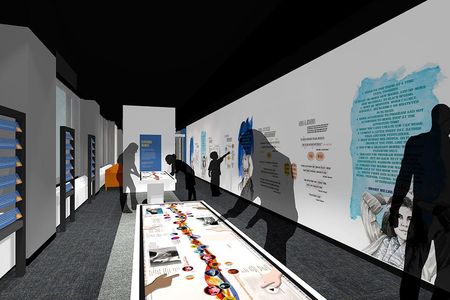
America’s First Writers Museum Is Slated to Open in May
A new home for celebrating American literary titans, titles and traditions takes root in Chicago
Page 388 of 1285