
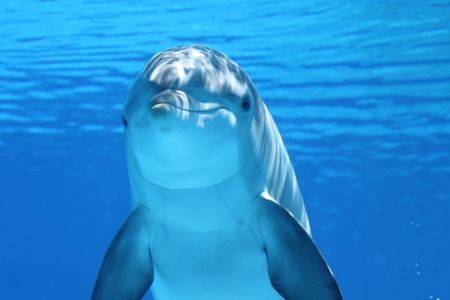
Does Snot Help Dolphins Echolocate?
The cetaceans can perform acoustic gymnastics, but how they produce ultrasonic noises has long eluded scientists
Poverty Linked to DNA Changes That Could Lead to Mental Illness
Could a better understanding of the biomarkers of lower socieconomic status help raise kids out of poverty?

An Archive of Fugitive Slave Ads Sheds New Light on Lost Histories
Wanted ads posted by slave owners reveal details of life under slavery
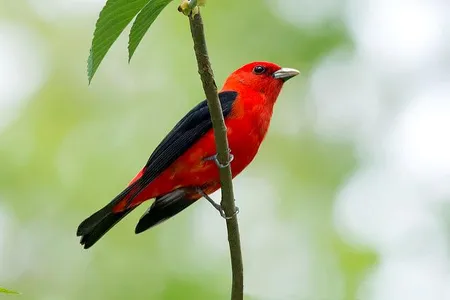
Where Red Birds Get Their Vibrant Hues
Two studies identify the same gene that makes red birds crimson—and perhaps helps them shed toxins, too
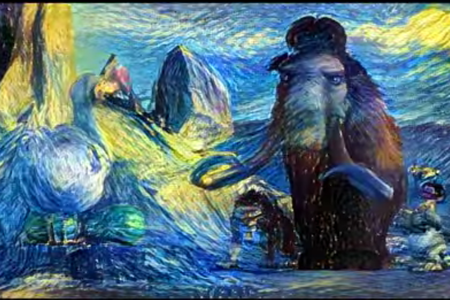
This Computer Algorithm Transforms Movies Into Breathtaking Works of Art
These neural networks can make any moving image into a masterpiece from Picasso to van Gogh
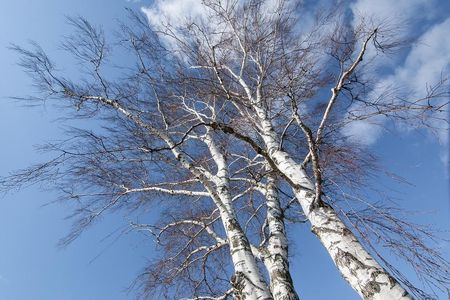
‘Sleeping’ Birch Trees Rest Their Branches at Night
Using laser scans of trees in Finland and Austria, researchers tracked interesting arboreal behavior
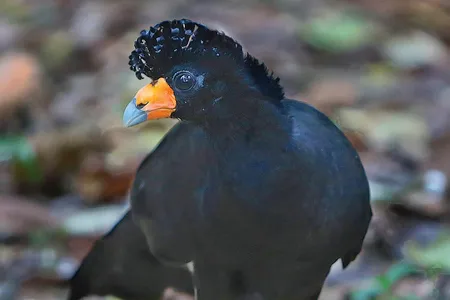
What’s the Best Way to Help the Amazon’s Indigenous People?
Can a pioneering computer model save the rainforest’s residents from our best intentions?
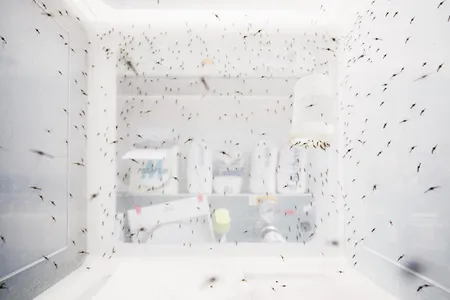
New gene-editing technology gives scientists the ability to wipe out the carriers of malaria and the Zika virus. But should they use it?

NASA Finally Caught This Crazy Space Weather in Action
The interactions between the Earth and the Sun’s magnetic fields drive explosive space weather
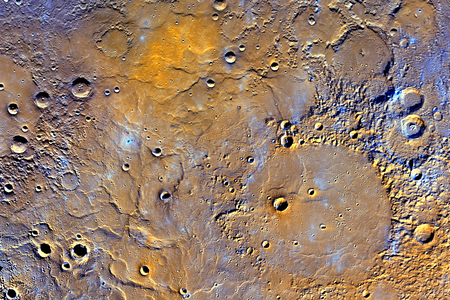
See Mercury’s Landscape in Stunning Detail
A new map of the planet’s surface captures the depths of craters and the peaks of volcanic mountains
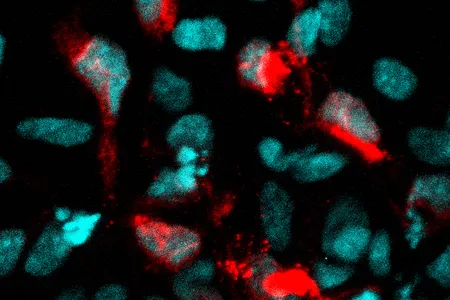
Mice Show How the Zika Virus Can Cause Birth Defects
A new study offers the first experimental evidence of the virus crossing the placenta and damaging fetal brains
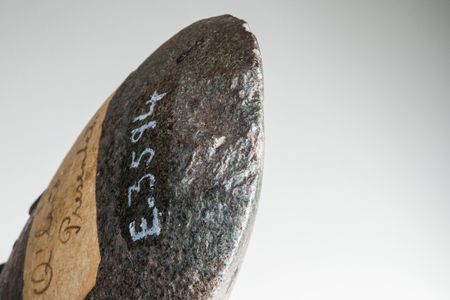
50,000-Year-Old Axe Shows Australians Were at The Cutting Edge of Technology
A polished stone chip is the earliest-known example of a ground-edge axe yet
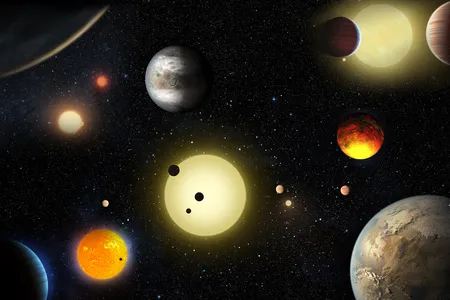
Kepler Discovers More Than 1,000 New Exoplanets
The space telescope is still alive and kicking
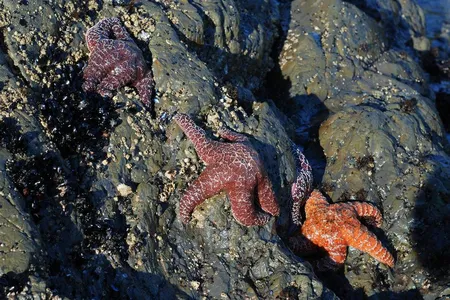
Wasting Disease Clears Way for Young Sea Stars, for Now
Whether or not the devastated populations are on the road to recovery remains uncertain
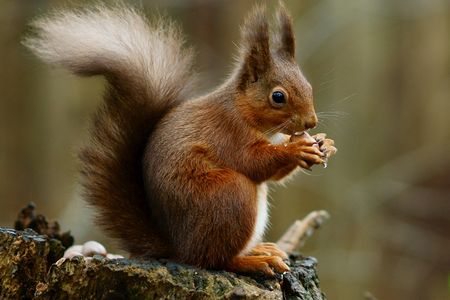
Leprosy Threatens U.K. Red Squirrel Populations
Researchers have launched a new study to try to save the furry rodents
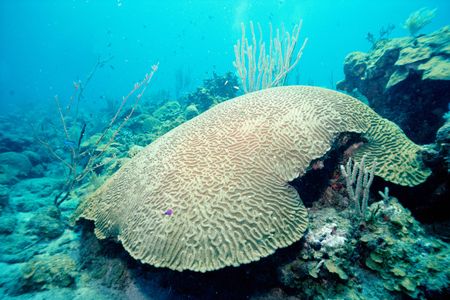
Between Bleaching and Boats, Florida’s Coral Reefs Are Struggling to Survive
The reefs are crumbling in acidifying waters and buried from dredging, according to new reports
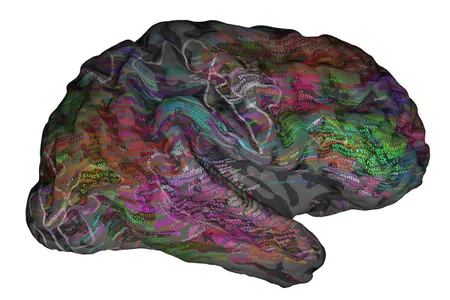
Scientists Use “The Moth Radio Hour” to Create Brain Atlas
Using a functional MRI, scientists created a visual dictionary to show how areas of the brain process language
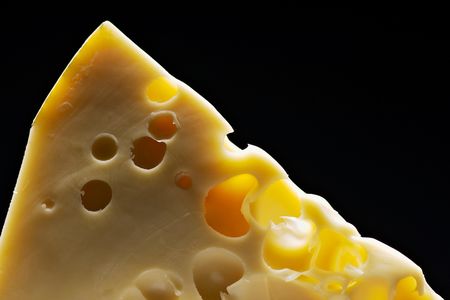
The Swiss Have Made Cheese Since the Iron Age
This discovery pushes Swiss cheesemaking traditions back millennia
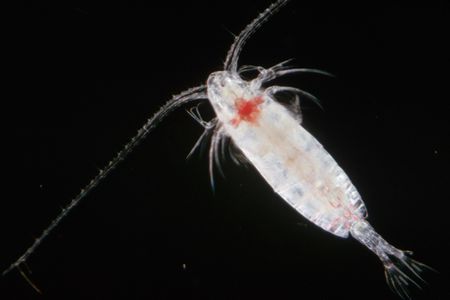
Eating Toxic Algae Might Make Some Plankton Act Drunk
Though it may seem funny, it could have serious environmental consequences
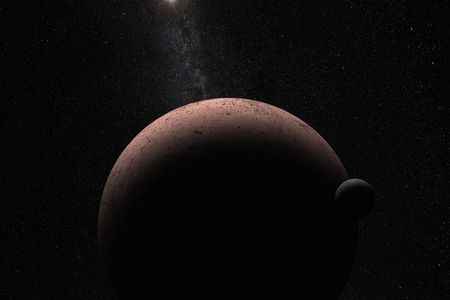
Hubble Spies a Tiny Moon Orbiting Dwarf Planet Makemake
Our solar system still has plenty of surprises
Page 199 of 308