

Some Genes Remain “Alive” for Days After the Body Dies
Studies in animals show that even when a creature has ceased to live, some genes are still busy doing their thing
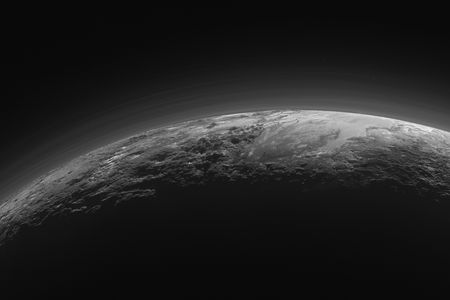
New Evidence Strengthens the Case for Pluto’s Underground Ocean
Features on the dwarf planet’s smooth surface suggest that not all is frozen on that tiny, distant world
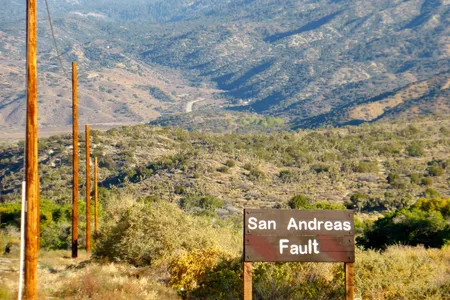
Land Around the Infamous San Andreas Fault Is on the Move
Scientists mapped how California rises and falls around its most famous fault
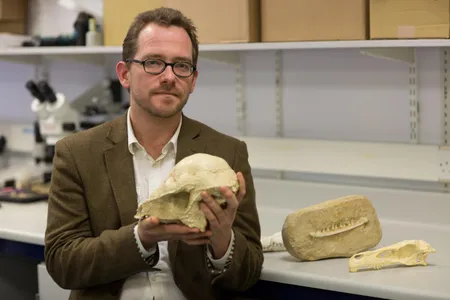
The Event that Wiped out Dinosaurs Also Nearly Did in the Mammals
New estimates suggest a measly seven percent of mammals survived the extinction
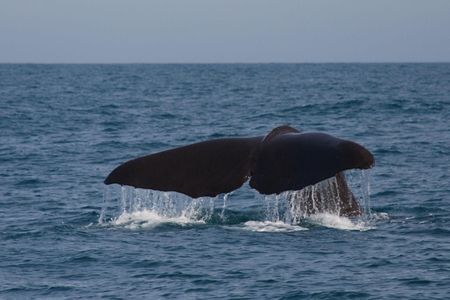
Every Sperm Whale Alive Today May Have Descended From the Same Female
An 80,000-year-old “Eve” was the mother of all modern sperm whales—literally
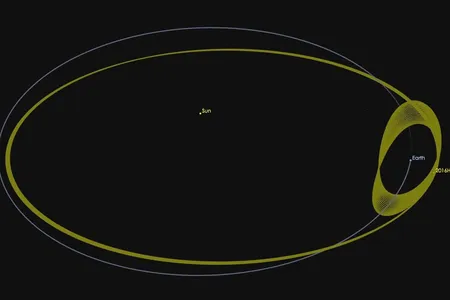
Scientists Spot Tiny Asteroid Tagging Along Behind The Earth
It’s our very own “quasi-moon”
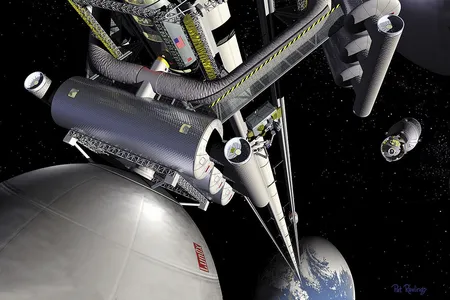
A New Hitch in the Plan for Building a Space Elevator
Carbon nanotubes may not be as strong as scientists once thought

Beneath that fluffy exterior lies a shrewd understanding of how the world works

New Footage Shows Rapid Breakdown of Shipwreck ‘Andrea Doria’
Researchers visited the remains of the Italian luxury liner in a submersible to figure out how quickly wrecks deteriorate
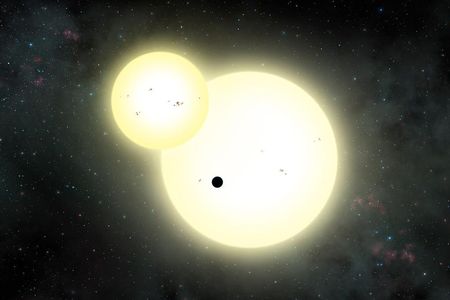
This Jupiter-Sized Planet Is the Largest Found Orbiting Two Suns
Any orbiting moons could be habitable—but scientists have yet to spot them
Earth’s Carbon Dioxide Levels Surpass Long-Feared Milestone
Say goodbye to 400 ppm—and hello to Earth’s new atmospheric reality
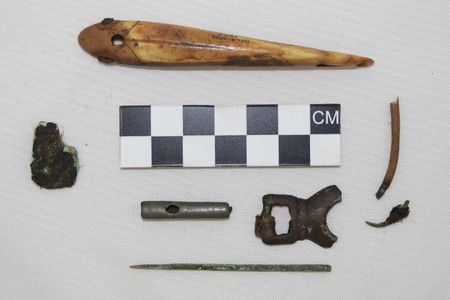
Bronze Buckle Shows Ancient Trade Between Eurasia and North America
Metal objects found on Alaska’s Seward Peninsula indicate that local people received trade goods from Asia almost 1,000 years ago

Archaeologists Find Gigantic Ancient Monument in Jordan
In the ancient city of Petra, Google Earth and drones helped uncover remnants of a platform the size of an Olympic swimming pool
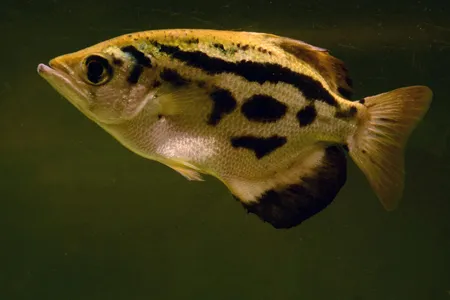
This Tropical Fish Can Be Taught to Recognize Human Faces
New study trained fish to spit at human faces
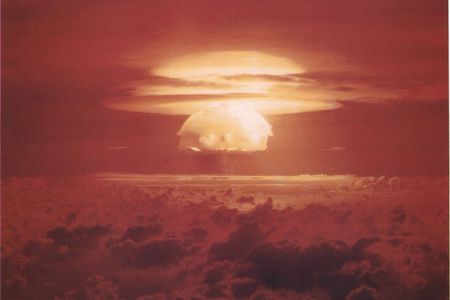
The Marshall Islands Are Becoming Less Nuclear
A new study finds that the abandoned nuclear test sites aren’t much more radioactive than Central Park
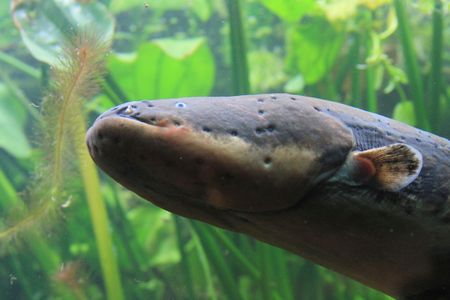
Science Proves Electric Eels Can Leap From Water to Attack
Biologists confirm the curious case of eels striking animals above the water’s surface

Ruff News: Man’s Best Friend May Have Been Domesticated Twice
Where did Fido come from? It’s complicated
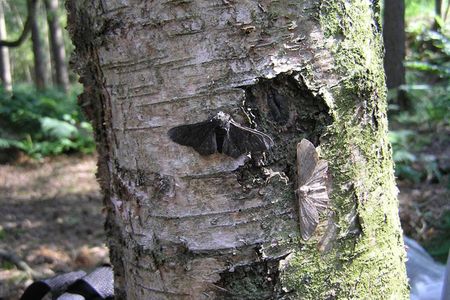
New Evidence Shows Peppered Moths Changed Color in Sync With the Industrial Revolution
Scientists used “jumping genes” as a time machine to track down changes in moths’ appearance

This Edible Supercapacitor Could Transform Ingestible Electronics
The materials for a new electronic component that could power a tiny camera sound more like breakfast than science
Page 198 of 308