
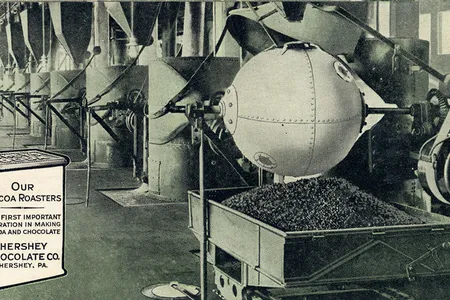
The Short Rise and Fall of the Crazy-for-Cocoa-Trade Cards Craze
In the late 19th-century, when you bought chocolate, the grocer dropped a delightful prize into your bag, a trade card to save and share
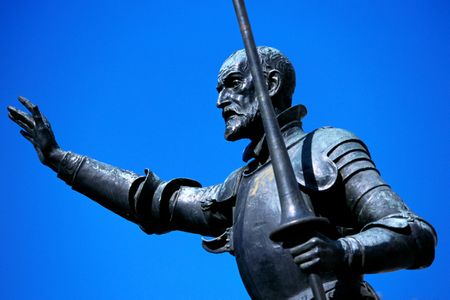
Did Archaeologists Just Find Miguel de Cervantes, 400 Years After His Death?
A centuries-old crypt could hold the answer to the mystery of Cervantes’ missing remains
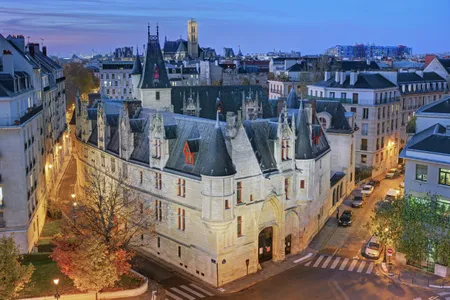
Tour Paris With the Marquis de Sade as Your Guide
Traces still remain in the City of Love of the famed author and sex icon
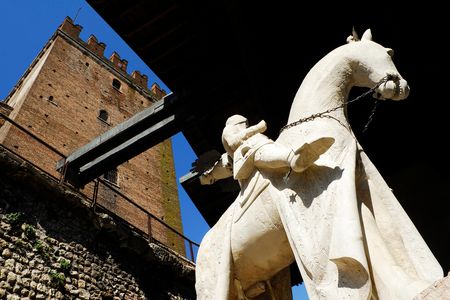
Mummy Feces Solve the Mystery of How Verona’s Most Powerful Man Died
Digging deep for the secret behind a medieval warlord’s mysterious death

Europe’s Great Gothic Cathedrals Weren’t Built Just of Concrete
The designers and builders of Europe’s great Gothic cathedrals weren’t actually so innovative
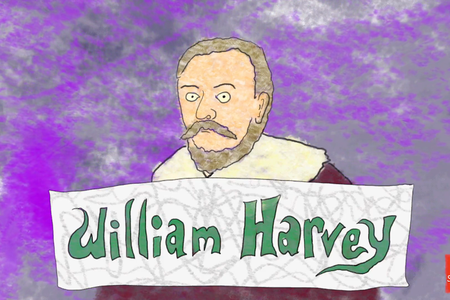
Meet William Harvey, a Misunderstood Genius in Human Anatomy
A new video from the World Science Festival tells the story of this medical pioneer

Europe Is a Great Place to Be a Large Meat-Eater
In a rare success story for wildlife, bears, lynx, wolverine and wolves are increasing in numbers across the continent
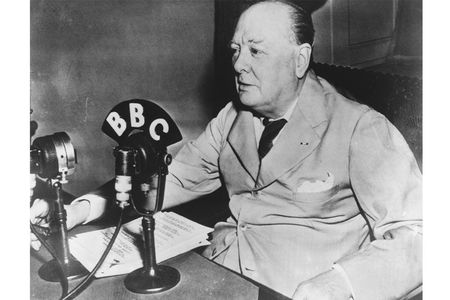
The Illustrious History of Misquoting Winston Churchill
Saying exactly what Churchill said isn’t easy—or cheap
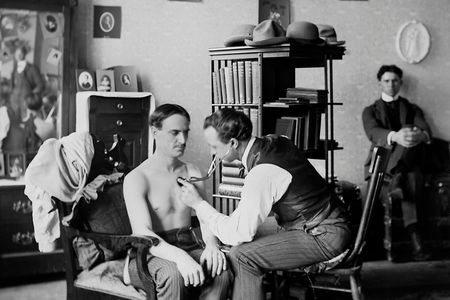
Making Dead People’s Pulses Beat Again
A new device can transform 150-year-old printed representations of heart beats into actual sound

The Library for Magicians Is Taking Appointments
The Conjuring Arts Research Center in New York City houses some of the world’s rarest books on the art of deception

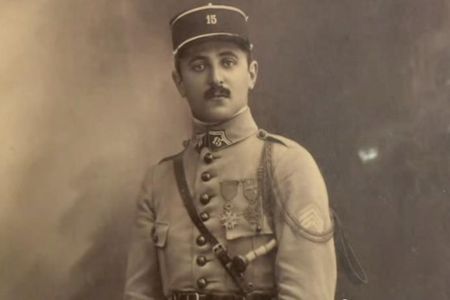
A Soldier’s Room Has Remained Virtually Untouched Since WWI
The home’s current owner, however, says he feels little connection to the dead soldier
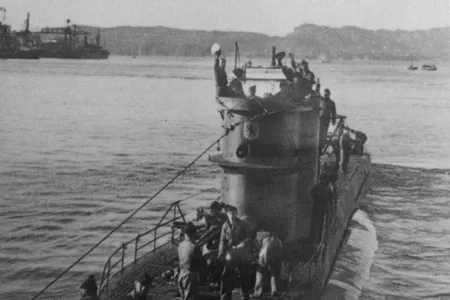
Wreckage of a Nazi U-Boat Was Found Off the Coast of North Carolina
A freighter lost in that skirmish was also discovered in the “graveyard of the Atlantic”
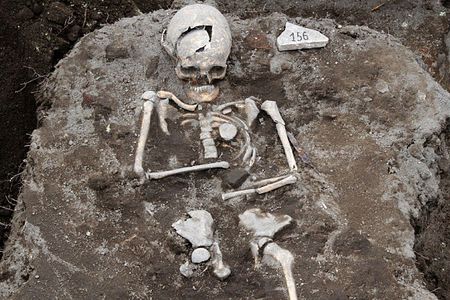
“Vampire Grave” in Bulgaria Holds a Skeleton With a Stake Through Its Heart
The skeleton likely fell victim to vampire hysteria that gripped Eastern Europe until relatively recently
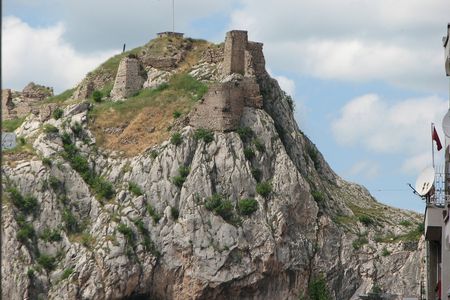
Archaeologists Think They’ve Found the Dungeon Where Dracula Was Kept
Vlad the Impaler was likely held captive in Turkey’s Tokat Castle

Industrial Espionage and Cutthroat Competition Fueled the Rise of the Humble Harmonica
How a shrewd salesman revolutionized the instrument industry

Newly Discovered Viking Fortress Could Have Been a Launch Point for Invading England
The ring-shaped complex could have been used as a military training ground
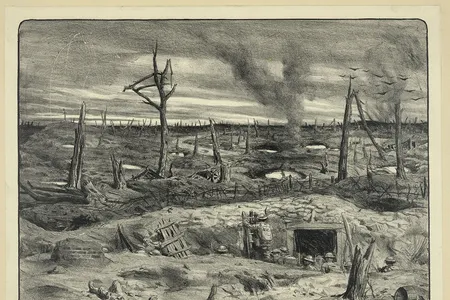
The Legend of What Actually Lived in the “No Man’s Land” Between World War I’s Trenches
Born of the horrors of trench warfare, a ghoulish tale of scavengers and scofflaws took hold 100 years ago
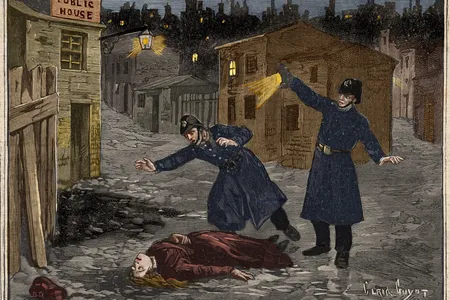
Case Solved on Jack the Ripper? Not So Fast
An author and a scientist claim to have proven the identity of the notorious 19th century killer, but others say the evidence is lacking
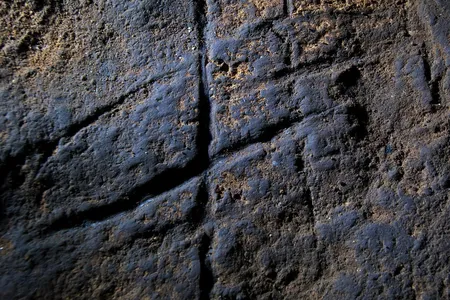
Neanderthal Carvings in a Gibraltar Cave Reveal Some of Europe’s Oldest Known Artwork
Some argue, however, that Homo sapiens are responsible for the etchings
Page 78 of 81