
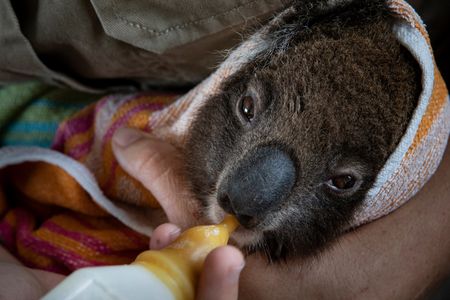
The Great Koala Rescue Operation
Raging bushfires. Devastated wildlife. And the compassionate souls who went to the rescue

North American Rabbits Face a Deadly Virus
The hemorrhagic virus has infected in domestic rabbits since 2018, and it’s now spreading in the wild population
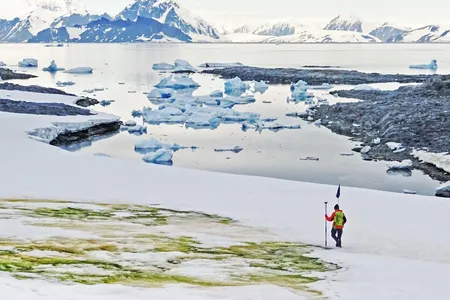
Algae Blooms Turn Antarctica’s Ice Green
Scientists predict that the organisms’ presence will increase as global temperatures increase
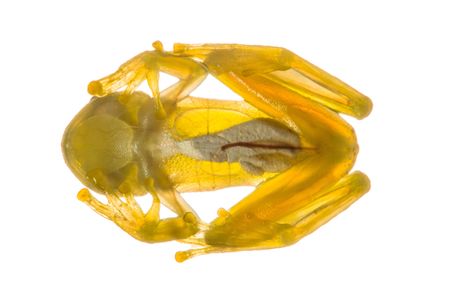
Scientists Discover the Reason Behind the Glass Frog’s Translucent Skin
Glass-like skin helps break up the frog’s outline and matches the frog’s brightness to its leafy perch, making it harder for predators to spot
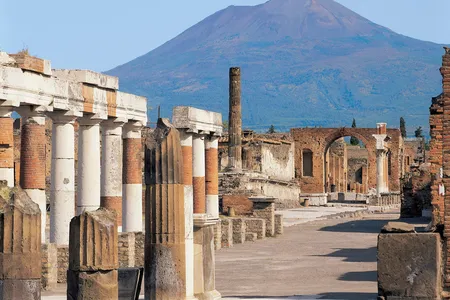
Analysis of Pompeii’s Garbage Suggests the Ancient Romans Recycled, Too
The city’s residents sorted waste materials for reuse in future projects, according to new research
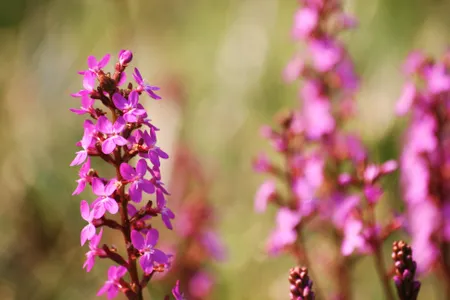
How Flowers Marvelously Evolved Resilience
Blossoms contort and twist back into optimal pollination position after getting bumped and battered
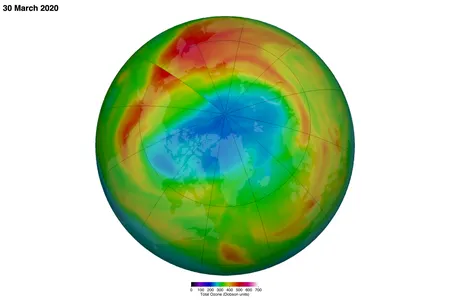
Why This Rare, Huge Ozone Hole Over the Arctic Is Puzzling Scientists
The new wound further diminishes Earth’s protective shield against damaging solar radiation

A Dead Cat’s Brain Revives Discussion of 1960s Mercury Poisoning Disaster in Japan
The exact molecule behind the Minamata mercury disaster, caused by a chemical plant’s wastewater, remains a point of disagreement

This Homemade Flag From the ‘70s Signals the Beginning of the Environmental Movement
The green-and-white banner from an Illinois high school recalls the first Earth Day 50 years ago

When Michigan Students Put the Car on Trial
In a famous 1970 teach-in demonstration, prosecutors hammered away at the nation’s most powerful defendant

The Rise of ‘Zero-Waste’ Restaurants
A new breed of food establishment is attempting to do away with food waste entirely
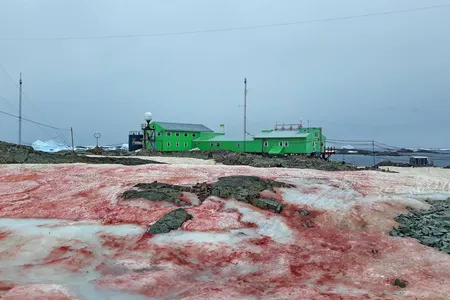
This ‘Blood-Red’ Snow Is Taking Over Parts of Antarctica
After a month of record-breaking temperatures, a kind of snow algae that turns ruby-hued in warm temperatures thrives
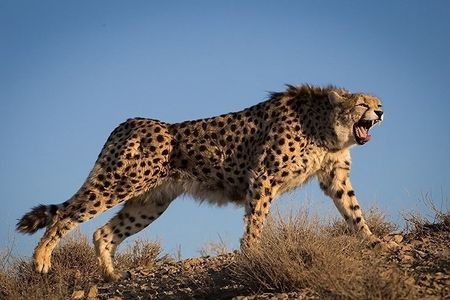
After Decades-Long Battle, Cheetahs Can Be Reintroduced in India
Officials will now move forward with an experimental—and controversial—plan
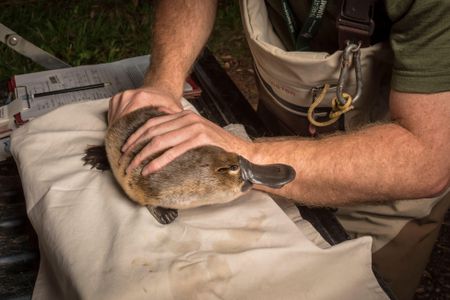
Australia’s Droughts and Fires Present New Dangers to the Platypus
Threats to the semi-aquatic, egg-laying mammals demand action, experts say
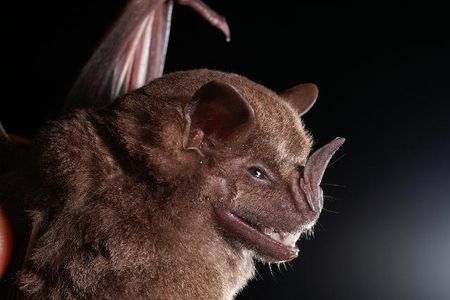
Ancient Bat Guano Reveals Thousands of Years of Human Impact on the Environment
Like sediment cores, ice samples and tree rings, bat excrement can be used to study the climate of the past
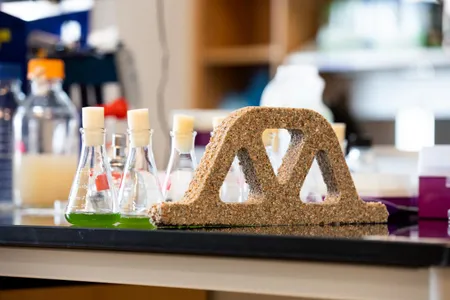
Scientists Design Bacteria-Based Living Concrete
Its designers hope that it could help with construction in deserts or even on Mars
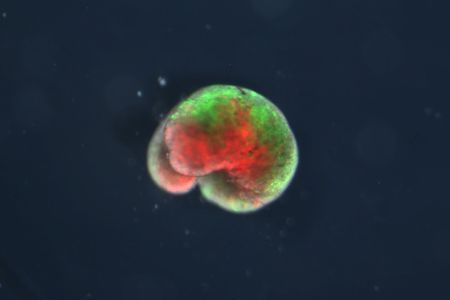
Scientists Assemble Frog Stem Cells Into First ‘Living Machines’
The so-called ‘xenobots’ could replace traditional metal or plastic robots without polluting the planet, but they raise ethical questions

Eight Innovators to Watch in 2020
From plastic recycling pioneers to landmine foes, these dreamers have big plans for the coming year
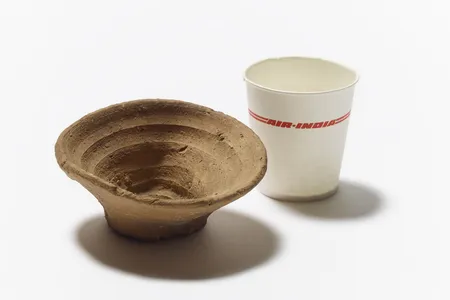
For Easy Clean-Up After Parties, Minoans Used Disposable Cups
A 3,500-year-old single-use vessel is part of a new display at the British Museum that explores our long-standing relationship with trash
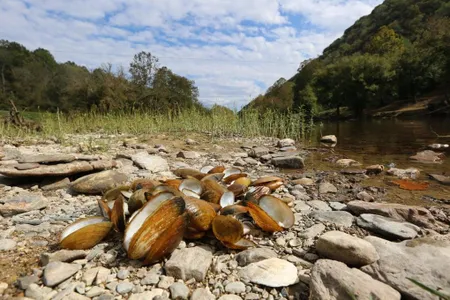
Scientists Don’t Know Why Freshwater Mussels Are Dying Across North America
Mussel species are dying en mass in rivers across the Pacific Northwest, Midwest and South—likely from unidentified pathogens
Page 26 of 50