
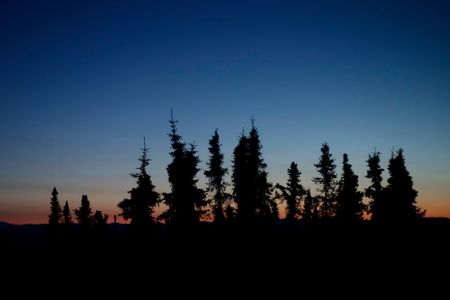
Trees Are Growing Fast and Dying Young Due to Climate Change
Rapid growth reduces the capacity of forests to absorb and store carbon dioxide
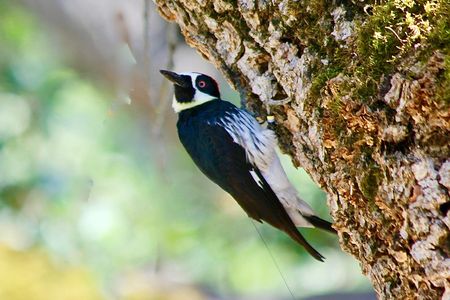
These Woodpeckers’ Bloody Wars Draw Crowds
Acorn woodpeckers will fight to the death to control the finest habitat and new research finds up to 30 non-combatants will pull up a branch to watch
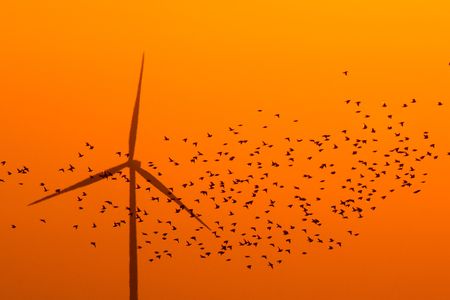
Painting Wind Turbine Blades Black Help Birds Avoid Deadly Collisions
A recent study found the simple intervention reduced bird mortality by 72 percent
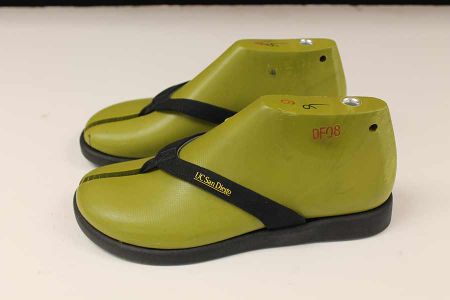
Researchers Use Algae to Make Biodegradable Flip-Flops
The shoes break down in about 18 weeks under the right conditions
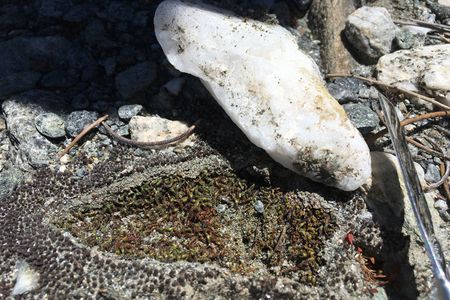
Desert Moss Beats Heat by Growing Under Quartz Crystals
Researchers find the translucent rocks keep the moss moist while letting just enough light pass through its milky interior
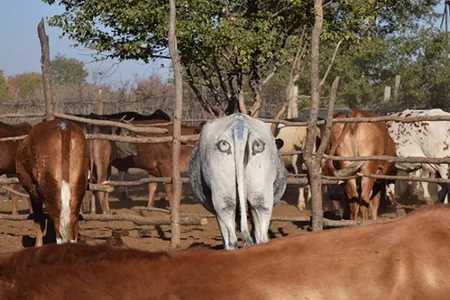
Painting Eyes on Cow Butts Could Save Cattle and Lion Lives
The four-year study in Botswana found cattle with eye marks painted on their behinds were less likely to be killed by predators
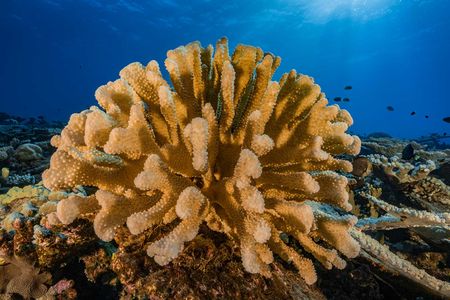
Should Plants and Animals That Relocate Because of Climate Change Be Considered Invasive?
Some researchers are calling for a more nuanced approach when it comes to flora and fauna that adjust their range to accommodate a warming world
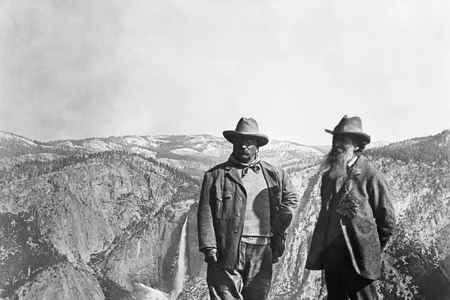
Sierra Club Grapples With Founder John Muir’s Racism
The organization calls out Muir’s racist statements and pledges to diversify leadership and deepen environmental justice initiatives
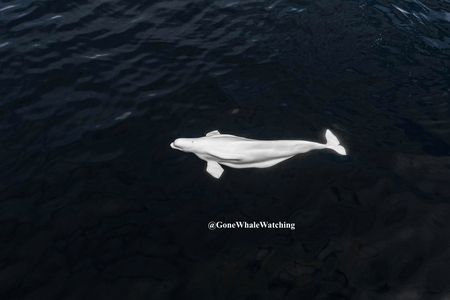
In a Rare Sighting, Wayward Beluga Spotted Off San Diego
The whale was seen thousands of miles south of its usual habitat, the farthest south the species has ever been seen
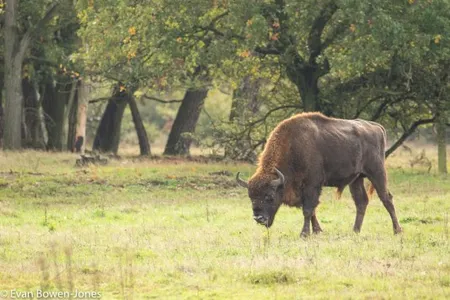
Wild Bison to Roam Britain for First Time in Thousands of Years
A small herd of four European bison will be released into a woodland in southeastern England in spring 2022
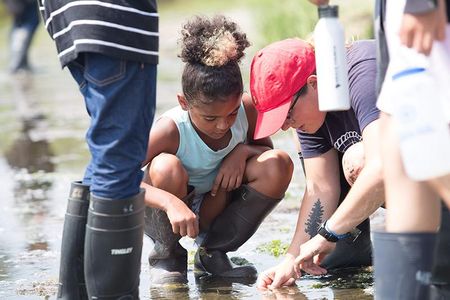
Will COVID-19 Spell the End of Outdoor and Environmental Education?
The pandemic has been devastating to the field, according to a recent survey
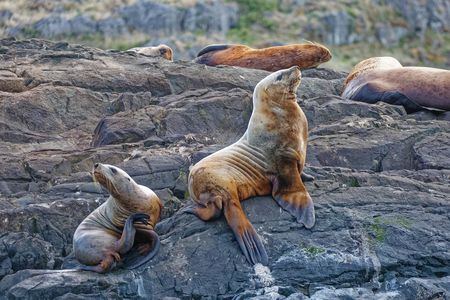
Headless Sea Lions Are Washing Up in British Columbia
Biologists and local beachgoers who have encountered the decapitated marine mammals suggest humans may be to blame
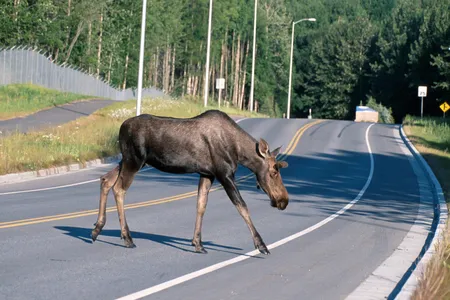
Roadkill Reduced During Lockdowns, but Traffic Is Increasing Again
California, Idaho and Maine saw considerably fewer roadkill deaths in the first few weeks of stay-at-home orders
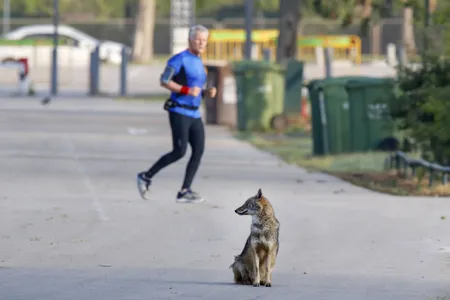
Scientists Propose a New Name for Nature in the Time of COVID-19: The ‘Anthropause’
Human travel came to a halt during COVID-19, and scientists argue that this worldwide ‘pause’ presents a rare opportunity to study our impact on animals
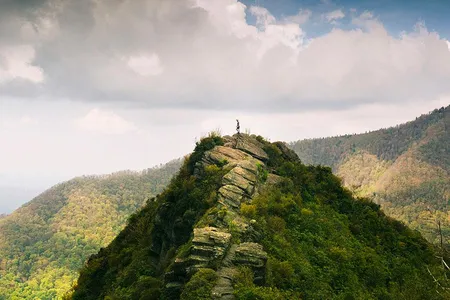
Seven Places to Get Outside This Summer—and the Environmental Heroes to Thank for Them
From Alaska to Florida, these spots offer fresh air and ample space for social distancing
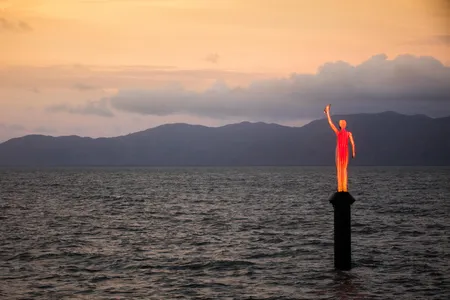
This Sculpture Takes the Great Barrier Reef’s Temperature
‘Ocean Siren’ changes colors in real time to reflect ocean temperatures at Davies Reef, part of Australia’s ailing Great Barrier Reef
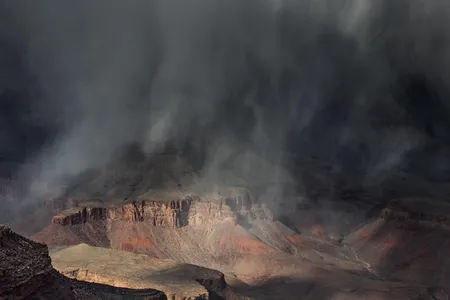
The Forecast in National Parks Is Cloudy With a Chance of Plastic Rain
New research finds America’s western national parks and wilderness areas receive more than 1,000 tons of plastic rain every year
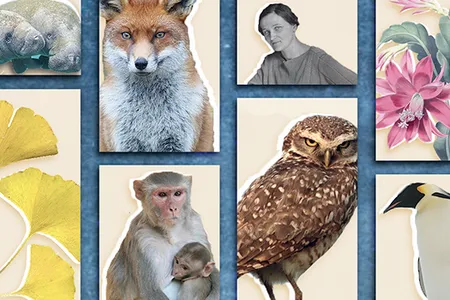
Seventy-Five Scientific Research Projects You Can Contribute to Online
From astrophysicists to entomologists, many researchers need the help of citizen scientists to sift through immense data collections
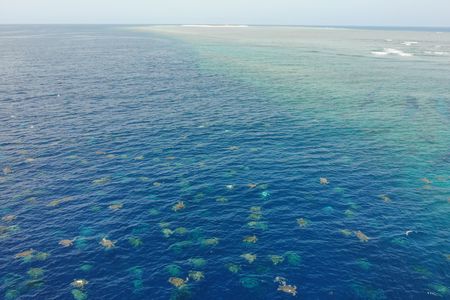
Drone Footage Shows Thousands of Nesting Sea Turtles
The roughly 64,000 green sea turtles were photographed off the Great Barrier Reef in Australia at Raine Island, the turtle’s largest breeding ground
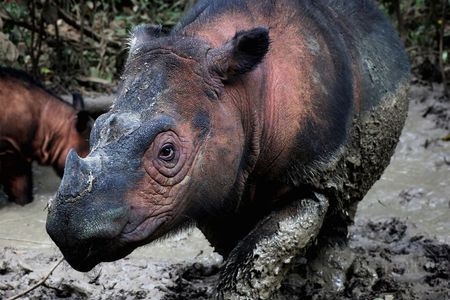
Already Unprecedented Rate of Wildlife Extinctions Is Accelerating
New research suggests roughly 500 species are likely to go extinct in the next two decades
Page 25 of 50