
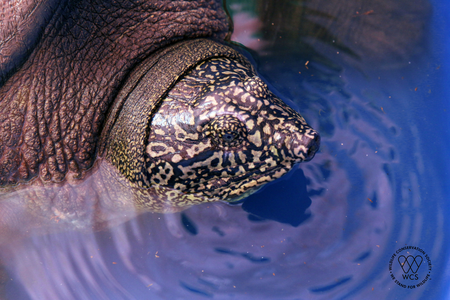
Conservationists have been scrambling to save the most endangered turtles in the world from extinction
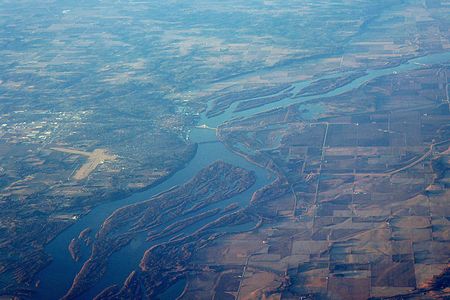
A Third of the United States’ Rivers Have Changed Color Since 1984, Satellite Images Reveal
The transformation from blue to shades of yellow and green raises concerns that waterways have been increasingly imperiled since 1984
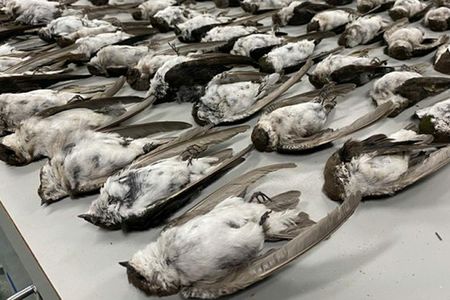
Southwest Bird Die-Off Caused by Long-Term Starvation
New report finds majority of the birds found dead in early fall were emaciated
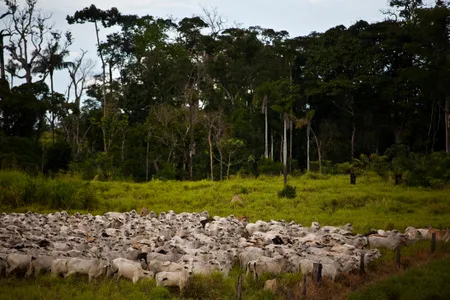
Agriculture’s Growing Footprint Could Threaten 17,000 Species With Habitat Loss
New research projects 1.3 million square miles of habitat will be converted to croplands by 2050
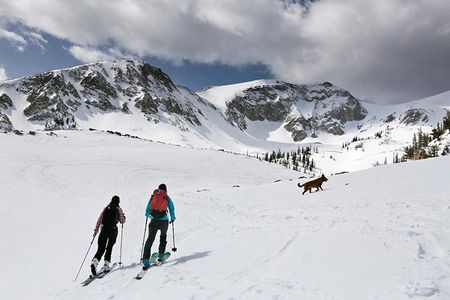
Innovation for Good: Game Changers
Twenty-Four Ways to Turn Outdoor Passions Into Citizen Science
Heading into the new year, consider collecting scientific data while skiing, hiking, surfing, biking and partaking in other adventures
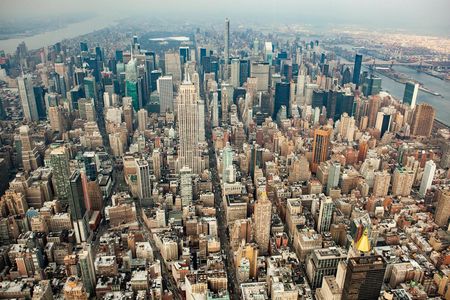
Human-Made Materials Now Weigh More Than All Life on Earth Combined
People produce 30 billion tons of material annually, making our built environment heavier than the planet’s biomass
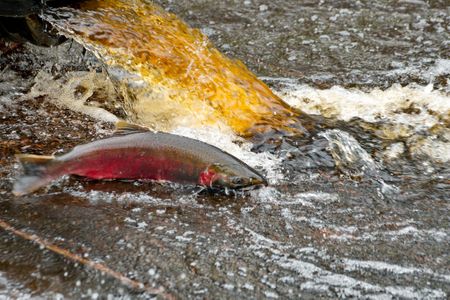
Researchers Reveal Why Seattle Salmon Bite the Dust After Rainstorms
A chemical found in car tire debris washes off roads into waterways, killing coho salmon returning to spawn
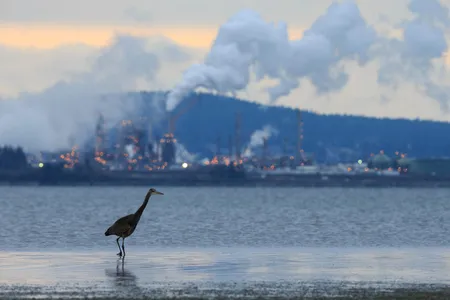
Study Estimates Clean Air Act Has Saved 1.5 Billion Birds
Over the last 40 years, bird populations across the U.S. did the best in places with the most stringent air pollution regulations
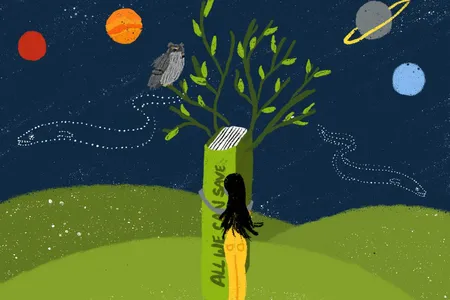
The Ten Best Science Books of 2020
New titles explore the mysterious lives of eels, the science of fear and our connections to the stars
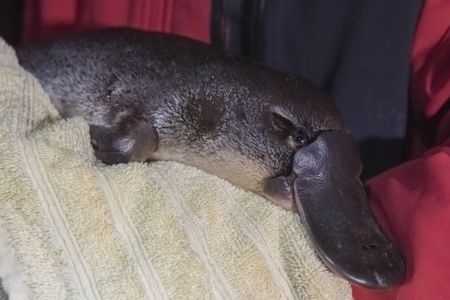
Platypuses Lost 22% of Their Habitat Over Last 30 Years
The startling finding comes in a report that documents the iconic Australian animal’s decline and recommends increased legal protections
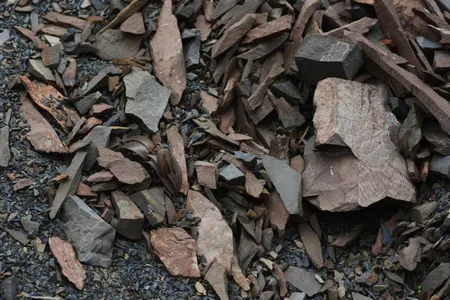
Medicinal Plant May Have Evolved Camouflage to Evade Humans
In places where people harvest the plant most aggressively, its color has changed to blend in with the rocky environment
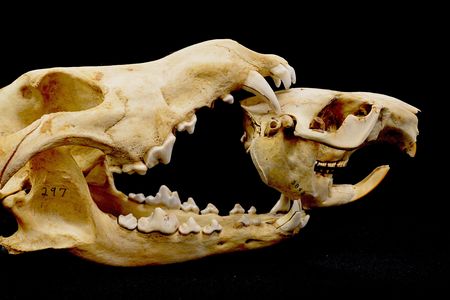
Minnesota Wolves Are Eating Beavers and Reshaping Wetlands
A new study finds that when a wolf kills a beaver its abandoned dam falls apart and goes unoccupied for more than a year
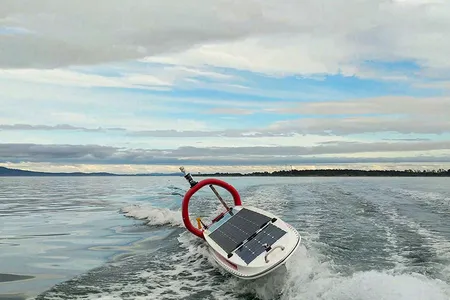
A New Generation of Autonomous Vessels Is Looking to Catch Illegal Fishers
A design challenge has tech companies racing to build a robot that can police illegal fishing in marine protected areas
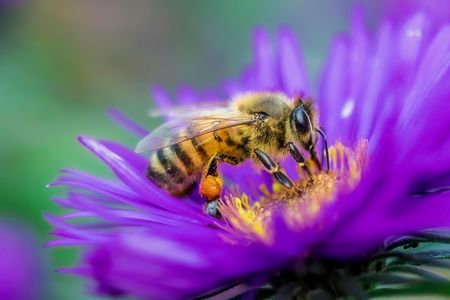
Scientists Create a Buzz With the First Ever Global Map of Bee Species
Most of the insects avoid the tropics and choose treeless environments in arid parts of the world
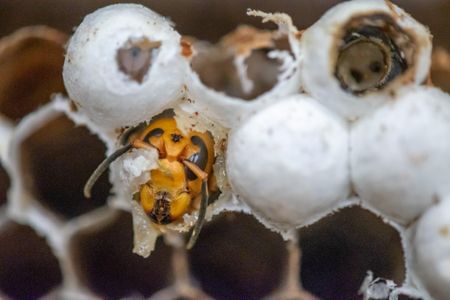
Asian Giant Hornet Nest May Have Contained 200 Queens
Officials say they’ve counted roughly 500 hornets in various stages of development after examining a nest they found and destroyed last month
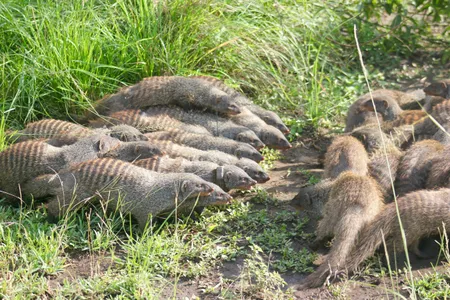
Warmongering Female Mongooses Lead Their Groups Into Battle to Mate With the Enemy
New research finds females of this species engineer conflicts with rival groups to gain sexual access to males outside their group and combat inbreeding
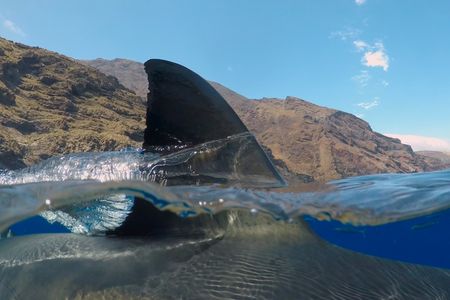
Record Number of Great Whites Tagged in Southern California
Researchers working in Southern California tagged 38 sharks this year, more than triple last year’s total
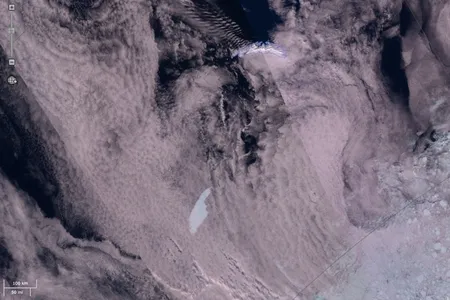
Delaware-Sized Iceberg Could Decimate Wildlife on South Atlantic Island
Iceberg A68a is on track to hit the British Territory of South Georgia, where it could complicate access to food for millions of seals and seabirds
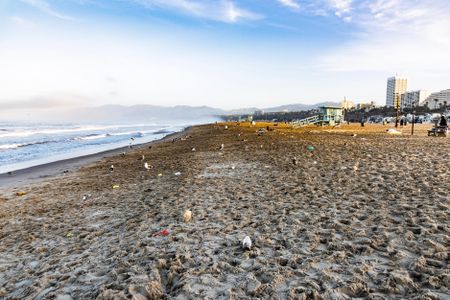
The U.S. Is the World’s Number One Source of Plastic Waste
In 2016, the average American produced 286 pounds of plastic waste, the highest rate per capita of any country on Earth
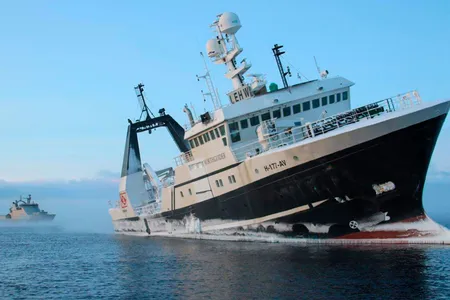
The Race to Study Arctic Waters
In the far north, researchers are scrambling to record baseline environmental data as communities brace for future shipping disasters
Page 23 of 50