
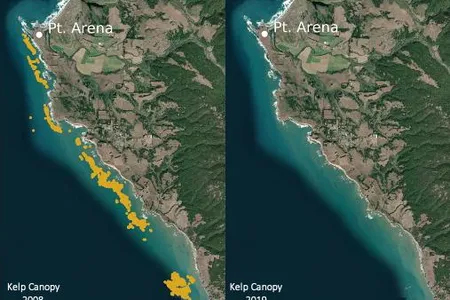
Satellite Imagery Shows Northern California Kelp Forests Have Collapsed
Researchers say they’re not sure these iconic coastal ecosystems will be able to make a comeback anytime soon
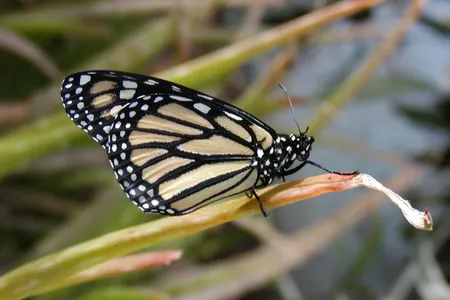
Climate Change Lays Waste to Butterflies Across American West
Study documents declines across hundreds of species over recent decades, and finds years featuring warmer, drier autumns are particularly deadly

Wildfire Smoke Is More Damaging to Respiratory Health Than Other Sources of Air Pollution
Smoke exposure was associated with more hospital admissions than equivalent amounts of non-wildfire emissions
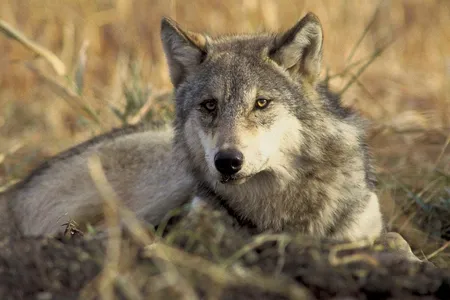
Hunters Killed 82% More Wolves Than Quota Allowed in Wisconsin
The state’s Department of Natural Resources granted permits to about 1,500 hunters to kill 119 wolves, but 216 were shot
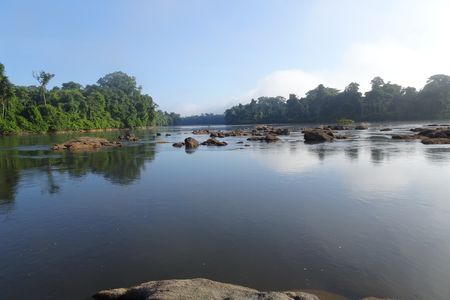
One-Third of Freshwater Fish Species Are at Risk of Extinction
Humans have severely damaged more than half of the world’s rivers
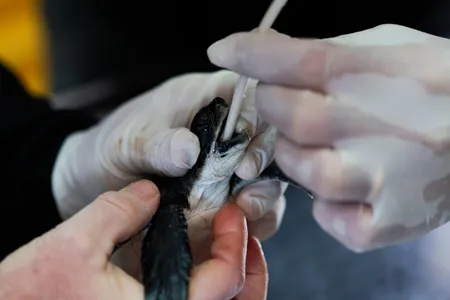
Turtles Caught in Disastrous Oil Spill Treated With Mayonnaise
The tar-covered animals were given the condiment to flush out their digestive systems
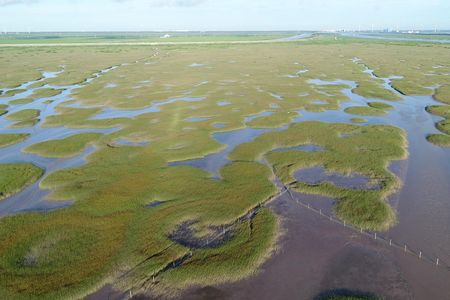
How Forming ‘Fairy Circles’ May Help Salt Marshes Adapt to Climate Change
The transient rings’ secret to survival may be their ability to shape-shift based on nutrient availability
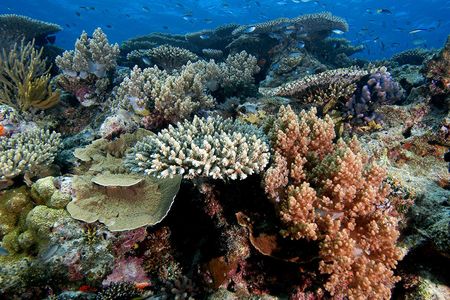
Could Flushing Cold Water Over the Great Barrier Reef Save Corals?
Lack of action on climate change is forcing scientists to devise ever more elaborate ways to stave off damage
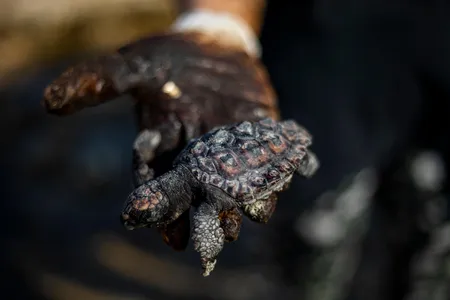
Oil Spill Off Israeli Coast Covers Beaches and Wildlife in Tar
Authorities are searching for the ship responsible for the unreported spill
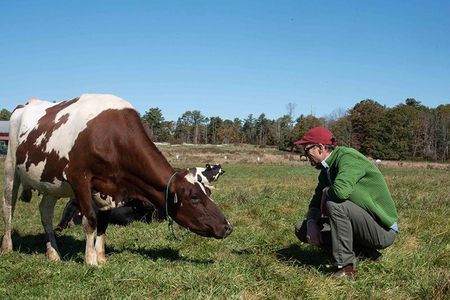
To Meet Ambitious Emissions Goals, Large Food Companies Are Looking to Lock Carbon in Soil
But the logistics of moving farmers in their supply chains to regenerative agriculture practices can be complicated
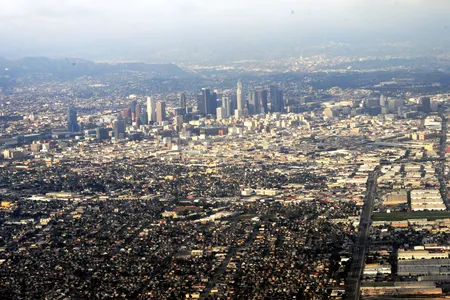
U.S. Cities Are Underestimating Carbon Emissions, New Research Shows
Forty-eight cities across America have shorted their emissions by nearly 20 percent
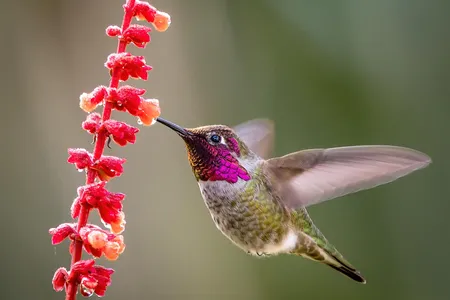
A database called eBird reveals as many as 65 million birds fly through these Western migration zones
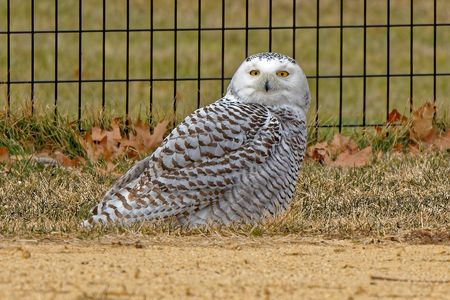
Snowy Owl Stops in Central Park for the First Time Since 1890
The bird attracted a crowd of about 100 birdwatchers, a territorial hawk and several crows
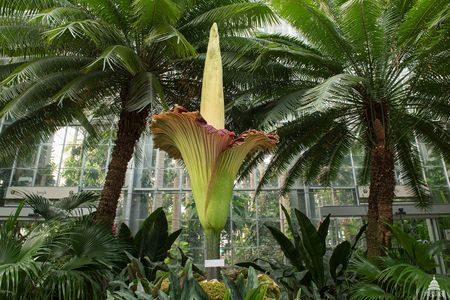
To Save the Corpse Flower, Horticulturalists Are Playing the Role of Matchmakers
Genetic diversity is needed to produce viable plants. Scientists are using animal breeding methods to conserve the titan arum
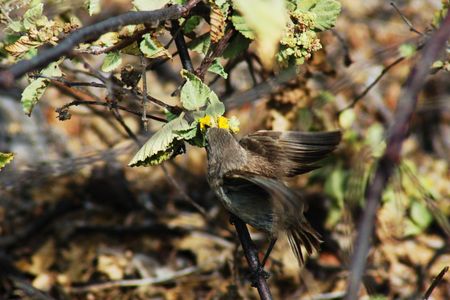
Why Some of Darwin’s Finches Evolved to Drink Blood
Scientists suggest the vampire finch evolved to drink blood to survive the volcanic archipelago’s harsh environment and scarce resources
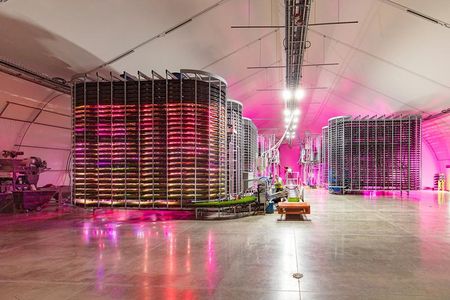
Could Indoor Vertical Farms Feed Livestock?
The people at Grōv Technologies think farmers can produce wheatgrass for their herds with less land and water using the method
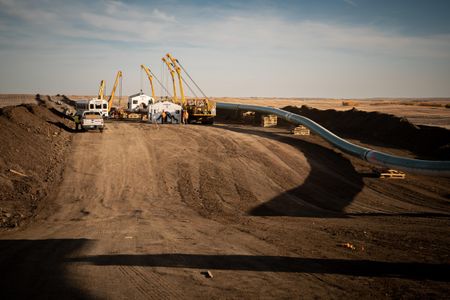
The United States Will Rejoin Paris Climate Accord
The move is one of several climate-related actions taken by President Joe Biden on his first day in office
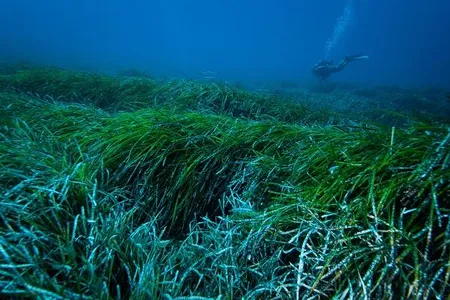
This Seagrass Traps Marine Plastic
Researchers find the Mediterranean species of seagrass collects plastics in fibrous balls that form from its fallen leaves
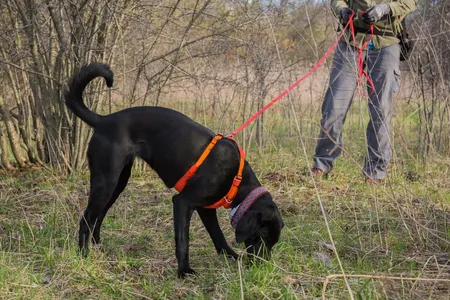
Meet Ernie and Betty White: Two Conservation Dogs Sniffing Out Invasive Species in Wisconsin
These aren’t the only Labradors using their powerful sense of smell to aid in wildlife preservation efforts
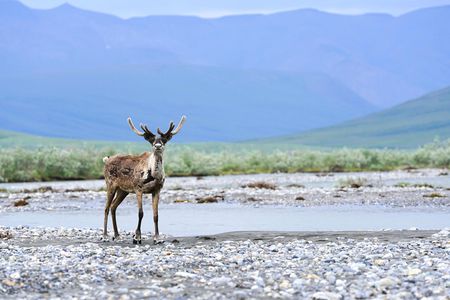
The Arctic National Wildlife Refuge Will Not Face Mass Oil Drilling—for Now
Large oil companies skipped out on the auction, but environmentalists say a worrisome precedent has been set
Page 22 of 50