
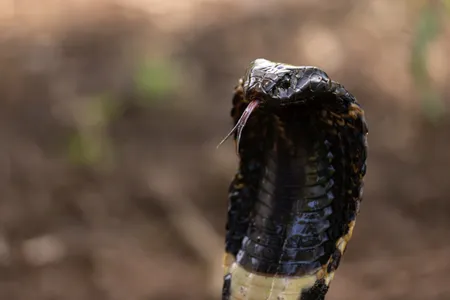
A wave of fresh science is challenging a century-old treatment and offering hope to the people snakebites harm most—often far from hospitals and help
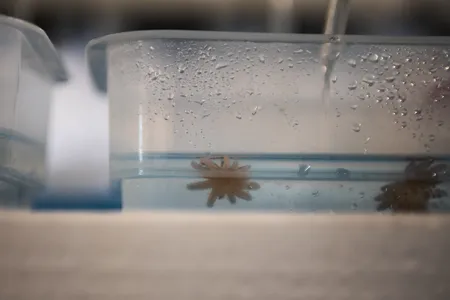
For the first time, scientists have cryopreserved and revived the larvae of a sea star species. The breakthrough, made with the giant pink star, gives hope the technique could be repeated to save the imperiled predator

When Illinois landowners noticed tree deaths and diseases on their properties ramp up in 2017, they suspected industrial agriculture. A survey found herbicides in 90 percent of tree tissues
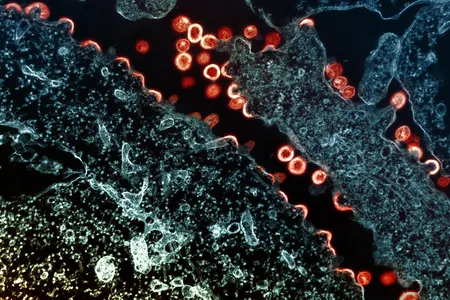
In the small study, seven out of ten participants maintained low levels of HIV for several months after receiving the experimental treatment and stopping their usual daily medications

The Ten Best Science Books of 2025
From “experimental archaeology” to the mysterious appeal of exploration, the wide-ranging subjects detailed in these titles captivated Smithsonian magazine’s science contributors this year
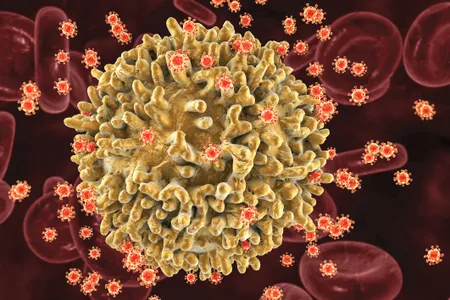
People infected with HIV must take antiretroviral drugs for life. But engineered antibodies appeared to suppress the virus for certain participants in recent trials in Africa and Europe

New research finds evidence of two previously undocumented infections that likely plagued the French emperor’s Grande Armée during the retreat from Moscow

Mary Brunkow, Fred Ramsdell and Shimon Sakaguchi’s research revealed a new class of cells shaking up scientists’ understanding of the human immune system
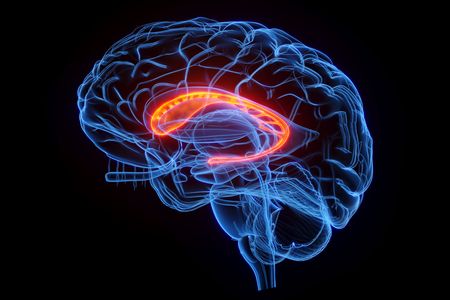
Experimental Gene Therapy Successfully Treats Huntington’s Disease for the First Time
Preliminary results from a small study offer hope for treatment of the degenerative disease

Researchers say the experimental tool has huge implications for public health, especially in conjunction with Alzheimer’s drugs that are most effective in the disease’s early stages

In a first-of-its-kind achievement, researchers non-invasively and precisely directed ultrasound beams to target a location deep within the brain
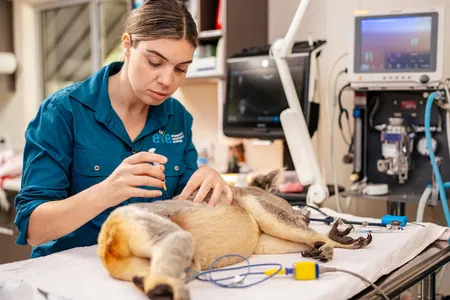
A New Vaccine Could Help Save Australia’s Beloved Koalas From Chlamydia, and It Just Got Approved
The disease causes blindness, infertility, severe urinary tract infections and death in the iconic, furry marsupials, which are also threatened by habitat loss
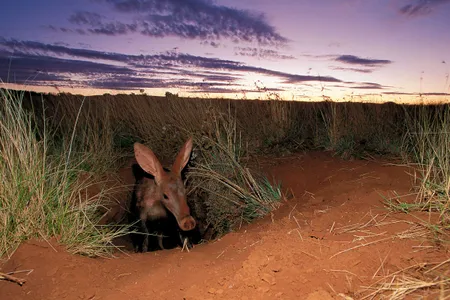
Could Aardvark Burrows Be Ground Zero for the Next Pandemic?
Animals of all kinds mix and mingle in the underground refuges, offering troubling opportunities for diseases to jump species
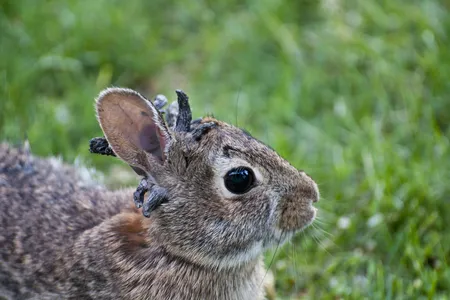
Rabbits With ‘Horns’ Seen in Colorado Are Going Viral. Here’s What’s Really Happening
Though the strange growths on these animals may look intimidating, experts say there’s not much to worry about, and they’re caused by a fairly common virus
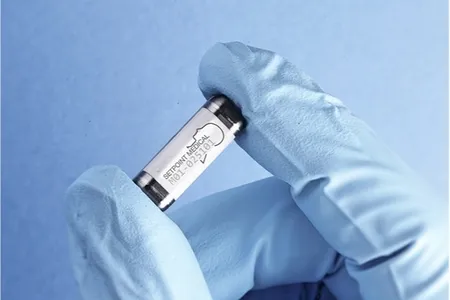
New, Implanted Device Could Offer a Long-Elusive, Drug-Free Treatment for Rheumatoid Arthritis
The FDA just approved the SetPoint System, which electrically stimulates the vagus nerve to control inflammation from the chronic disease

A 2,100-participant clinical trial found that structured and self-guided lifestyle changes can improve cognitive capabilities in older, at-risk adults
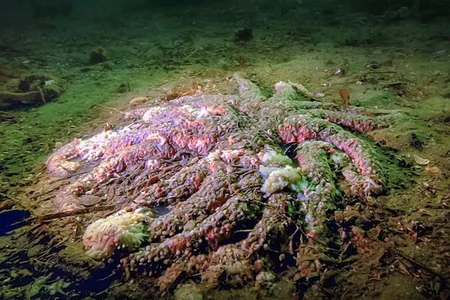
A new study points a finger at a strain of the bacterium Vibrio pectenicida, which belongs to the same genus as Vibrio cholerae, known for causing cholera in humans
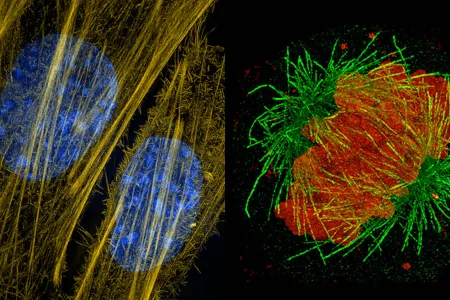
These Super-Resolution Microscopes Are Revealing the Inner Lives of Cells
Advanced light microscopy techniques are giving scientists a new understanding of human biology and what goes wrong in diseases
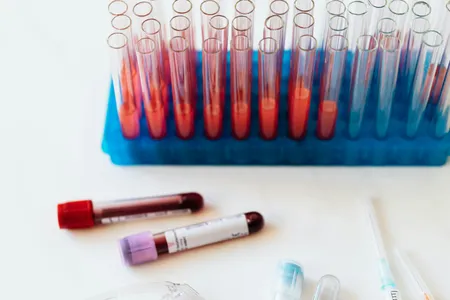
Cancer DNA Can Be Detected in the Bloodstream Up to Three Years Before Diagnosis, Study Suggests
For a few individuals, scientists found genetic material from cancerous tumors in blood samples taken years before they were diagnosed through traditional methods

With Ancient DNA, Scientists Have Mapped 37,000 Years of Disease Across Europe and Asia
Zoonoses—diseases that spread from animals to humans—began to gain prevalence some 6,500 years ago with the rise of animal husbandry, a new study suggests
Page 4 of 41