
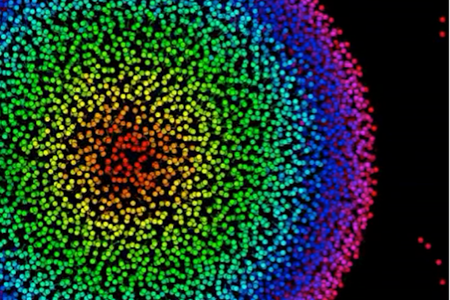
Prize-Winning Videos Capture Mesmerizing, Microscopic World
Everything looks cooler when it’s viewed through the lens of a microscope
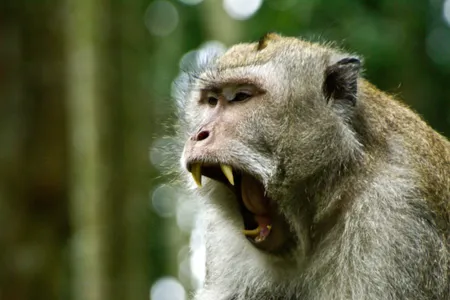
What’s Really Keeping Monkeys From Speaking Their Minds? Their Minds
When it comes to language, primates have all the right vocal equipment. They just lack the brains
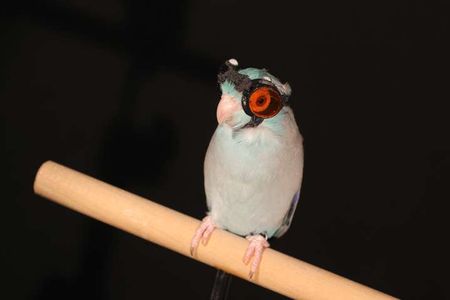
How a Goggle-Wearing Parrot Could Help Future Robots Fly
By flying through a haze and lasers, Obi the parrotlet helped researchers figure out how much lift birds produce
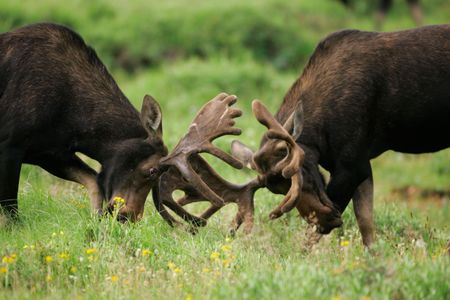
Go Big or Go Generic: How Sexual Selection Is Like Advertising
When it comes to attracting mates, it pays to either go all out—or not try at all
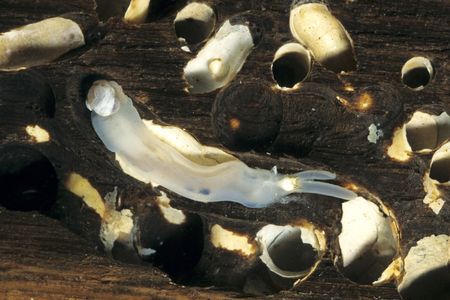
How a Ship-Sinking Clam Conquered the Ocean
The wood-boring shipworm has bedeviled humans for centuries. What’s its secret?
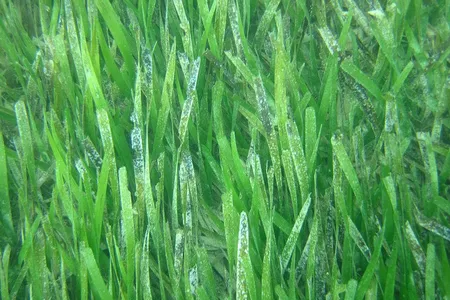
Meet the Newly Discovered Pollinators Under the Sea
The tiny crustaceans are challenging previous assumptions about how plants grow underwater
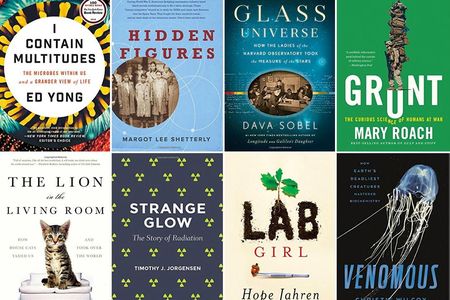
The Best Books About Science of 2016
Take a journey to the edge of human knowledge and beyond with one of these mind-boggling page-turners
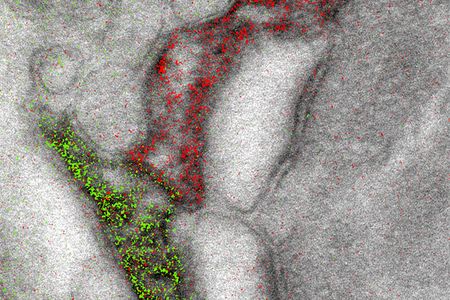
A New Technique Brings Color to Electron Microscope Images of Cells
Scientists at the University of California, San Diego, have found a way to attach artificial color to biological structures

How Conservationists Use GPS to Track the Wildest Horses in the World
These horses’ wildness makes them unique. It also makes them uniquely difficult for researchers to monitor and track
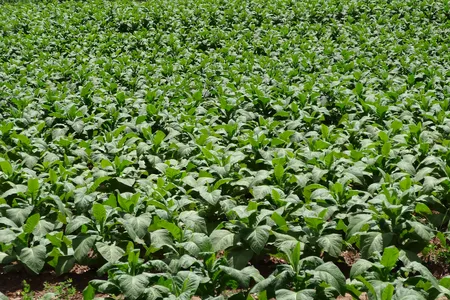
New Technique Could Supercharge Crop Production
Proteins inserted into tobacco plants improved yields by up to 20 percent
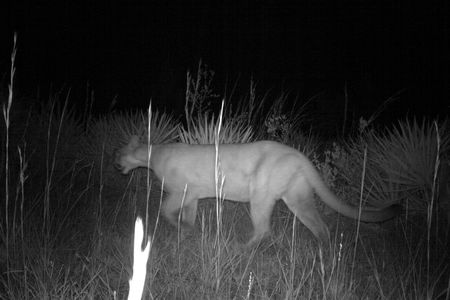
Why Scientists Are Psyched About a River-Crossing Panther
This big cat is the first female thought to enter the area in over 40 years
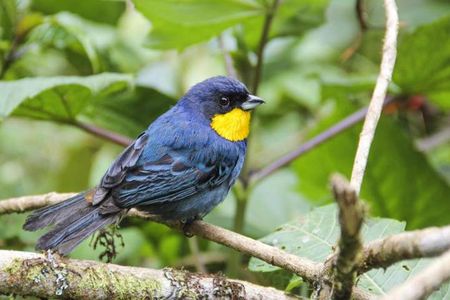
Is the Endangered Species List Missing Hundreds of Species of Birds?
A new study suggests the IUCN’s methods are underestimating the risks to many species, but the organization say the research is flawed
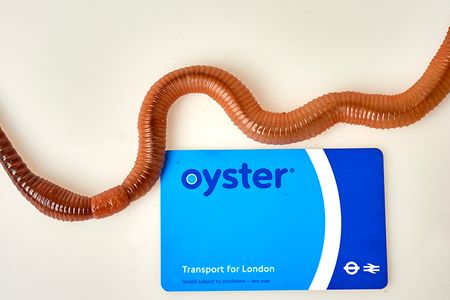
R.I.P., Dave the U.K.’s Largest Earthworm
Measuring 16 inches long and weighing an ounce, the worm pulled from a Cheshire garden has become a prized specimen at the Natural History Museum
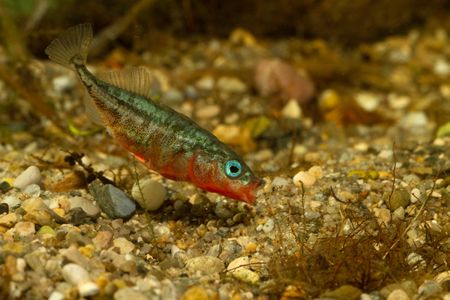
Extinction or Evolution? The Answer Isn’t Always Clear
The same factors that kill off some species cause others to evolve at lightning speed

Everyone Poops. Some Animals Eat It. Why?
Consuming feces can benefit not only the health and microbiomes of some animals, but also their environments
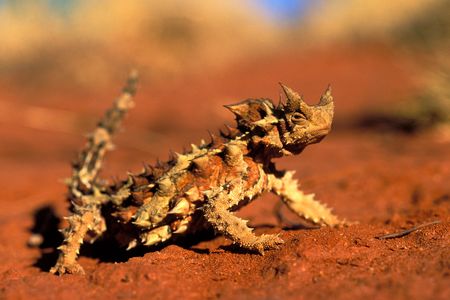
This Spike-Crested Lizard Drinks From Sand With Its Skin
The thirsty, thorny devils of Australia’s deserts can’t quench their thirst with tongues alone

Spinach: The Superfood That Could Help Detect Bombs
Now more than Popeye’s favorite food, carbon nanotubes are turning the leafy green into a bomb detector

Scientists Find That Frankenstein’s Monster Could Have Wiped Out Humanity
Thank goodness his creator never finished his proposed girlfriend
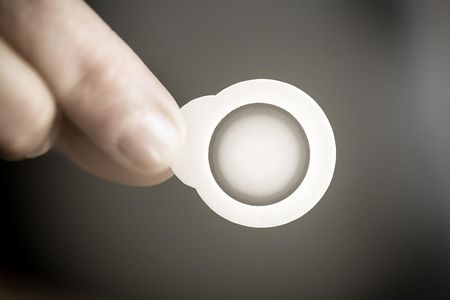
New Patch Could Help Reduce Peanut Allergies
A new study shows that a transdermal patch delivering tiny doses of peanut protein could help allergy sufferers tolerate larger exposure to peanuts
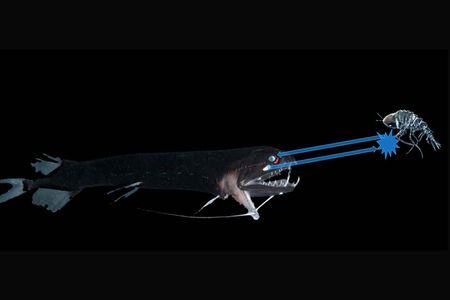
These Sea Creatures Have a Secret Superpower: Invisibility Cloaks
Scientists have found that some crustaceans have just the trick for hiding from predators
Page 66 of 108