
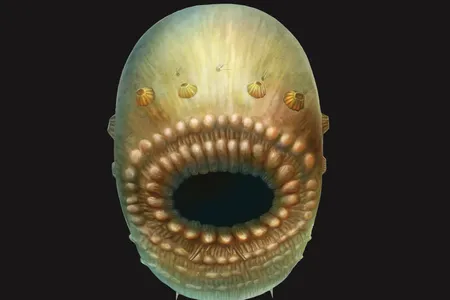
Bag-Like, Big-Mouthed Sea Creature Could Be Earliest Human Ancestor
This minute wriggly sea blob could represent some of the earliest steps along the path of evolution
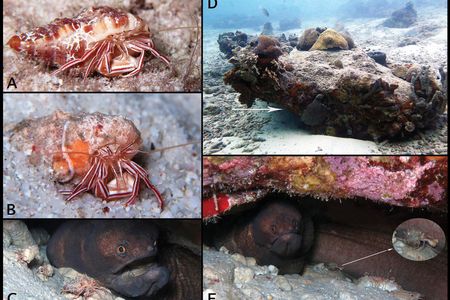
Smithsonian Scientist and a Reef-Diving Grandmother Team Up in Discovery of New Hermit Crab
A new species of hermit crab is named to honor her 7-year-old granddaughter Molly
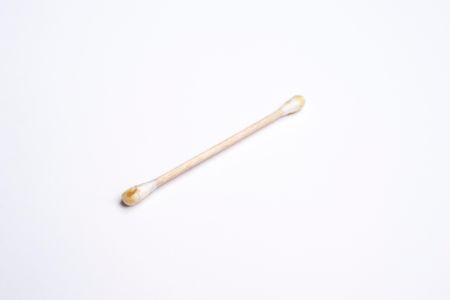
Earwax: Coming To a Home Air Filtration System Near You?
A clogged ear on a scuba trip led a Georgia Institute of Technology engineer to study the dust-filtering properties of the waxy substance
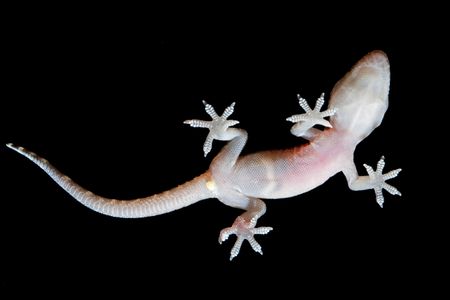
Scientists Can Turn This Gecko-Inspired Gripping Device On or Off With the Flick of a Light
The mighty lizard inspires yet another innovation that could prove a boon to robotics and manufacturing
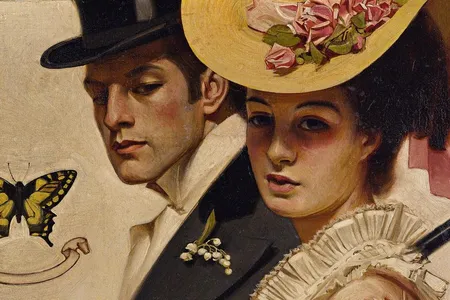
How Victorian Gender Norms Shaped the Way We Think About Animal Sex
No, females aren’t always choosy and males don’t always get around
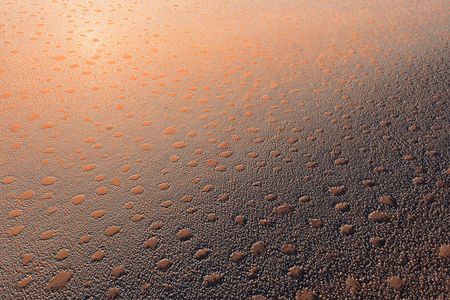
Dueling Theories on the Cause of “Fairy Circles” Could Both Be Right
New research brings together competing concepts to describe how the mysterious features form
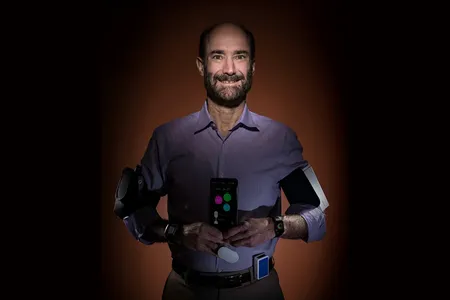
What If an App Could Tell You When You’re Getting Sick?
A Stanford geneticist may be onto something. Body data collected by smartwatches and other sensors can tip us off to brewing colds or infections

Have Scientists Found a Way to Actually Reduce the Effects of Aging?
Researchers at the Salk Institute in California have successfully induced cells to behave like younger cells
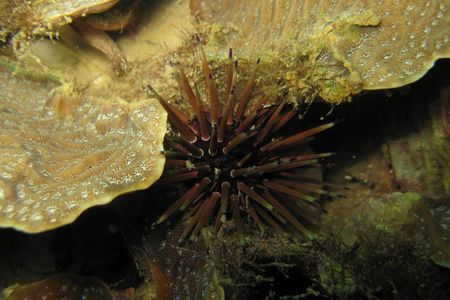
These Itsy-Bitsy Herbivores Could Stage a Huge Coral Reef Rescue
Tiny parrotfish and sea urchins can take over the job of their larger cousins to keep a reef free of algae

Tear Your Meniscus? This “Living Bandage” May Help
British researchers are using a newly patented technique involving stem cells to repair the common knee injury
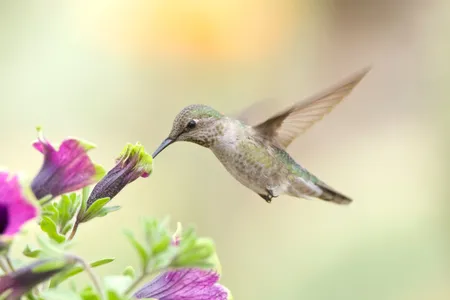
For Hummingbirds, the World Moves as Fast as They Do
New research shows how the hummingbird brain allows them to hover and fly precisely

Why Were Electric Cars Once Advertised as ‘Ladies’ Cars’?
Your questions answered by our experts
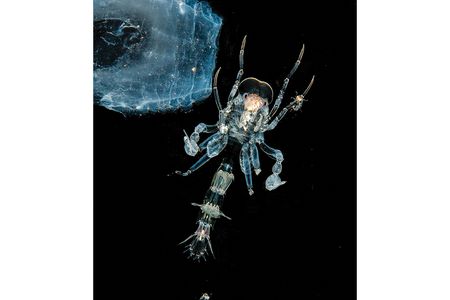
The Master of Disguise of the Ocean Reveals Its Secrets
A marine creature’s unusual defense is becoming perfectly clear
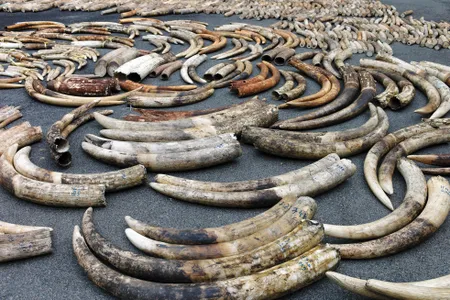
There’s a New Tool in the Fight Against Elephant Poaching
An American biologist wields an innovative weapon against the illegal trade in African ivory

Meet the Researchers Who Scour the World’s Most Dangerous Corners in Search of Biological Riches
Militants, malaria and pirates are just some of the challenges these scientist-explorers face in their quest to map the world’s diversity
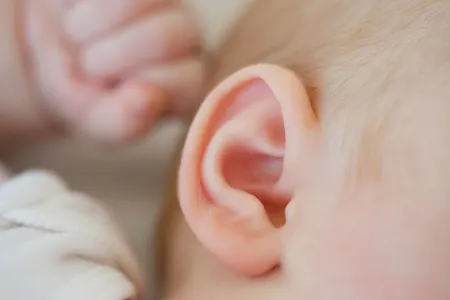
Hear This, 2017: Scientists Are Creating New Ears With 3D-Printing and Human Stem Cells
Two decades after the “earmouse,” researchers have mastered a powerful technique for growing ears from fat-derived stem cells
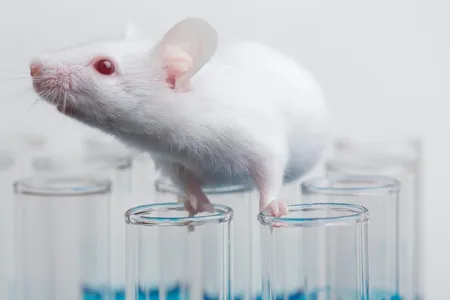
Residents Claim Ivy League College Polluted Water With Dead Lab Rodents
Burial of lab animals in the ‘60s and ‘70s have been linked to groundwater contamination in Hanover, New Hampshire
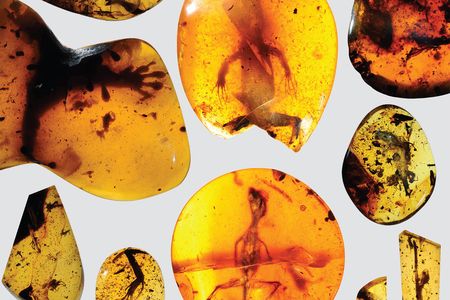
This Year in Ancient Amber: Prehistoric Feathers, Mushrooms, Lizards and More
It’s no Jurassic Park, but this treasure trove of new creatures will still transport you to an ancient world

The Top 9 Baffling, Humbling, Mind-Blowing Science Stories of 2016
From gravity’s song to the evolutionary secrets of dogs, this year unlocked a treasure trove of scientific discovery

Meet the Colorful New Weapon Scientists Are Using to Save Toads From a Devastating Fungus
Researchers are supplementing the amphibians’ natural microbiomes with a fluorescent fungus-fighter they’ve dubbed “Purple Rain”
Page 65 of 108