Subscribe to Smithsonian magazine and get a FREE tote.

History / U.S. History

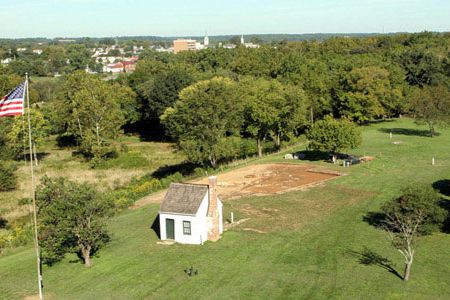
Aerial view of the Washington dig site with Fredericksburg visible on the horizon

Washington’s Boyhood Home

Archaeologists have finally pinpointed the Virginia house where our first president came of age
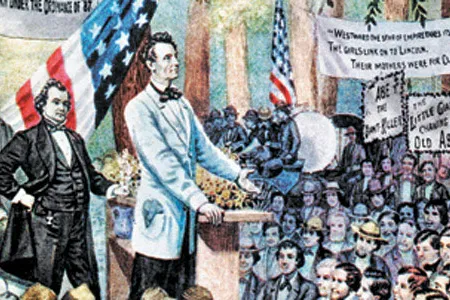
Douglas expected to crush his untried opponent in the enormously crowd-pleasing debates

How Lincoln Bested Douglas in Their Famous Debates

The 1858 debates reframed America’s argument about slavery and transformed Lincoln into a presidential contender
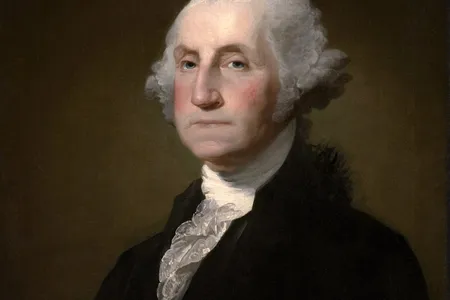
George Washington

Digging Up George Washington

Archaeologists continue to uncover more about the nation’s first president
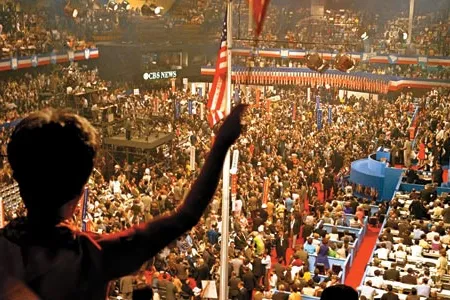
Red, white and bruising: at the 1968 Democratic National Convention, conflicts within the hall were amplified in violence on Chicago’s streets.

Parties to History

Four Political Conventions That Changed America
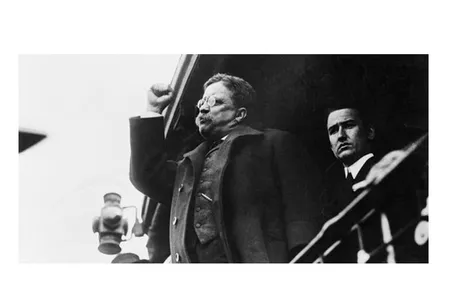
Theodore Roosevelt giving a campaign speech.

1912 Republican Convention

Return of the Rough Rider

Truman committed the Democrats to civil rights. After the party splintered, Strom Thurmond ran as the candidate of the States’ Rights Party.

1948 Democratic Convention

The South Secedes Again

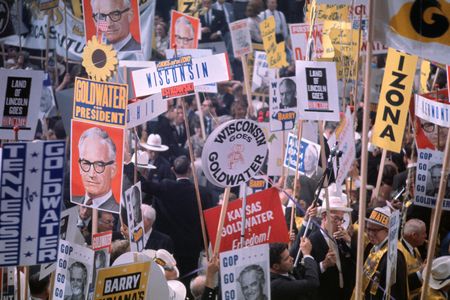
Delegates to the Republican National Convention stage a huge demonstration for Senator Barry Goldwater, after his name was placed in nomination for the Presidency.

How the 1964 Republican Convention Sparked a Revolution From the Right

At the ugliest of Republican conventions since 1912, entrenched moderates faced off against conservative insurgents
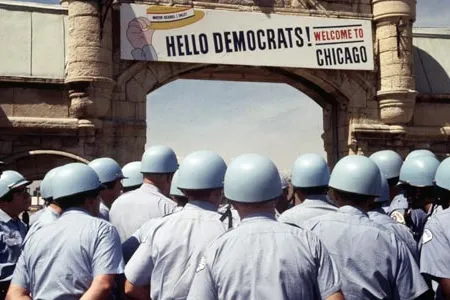
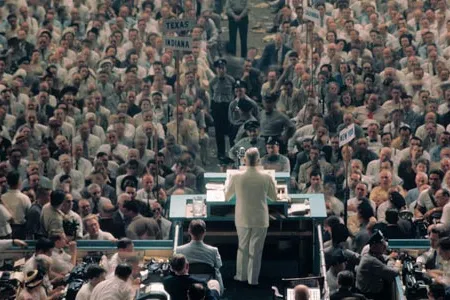
Inside the convention hall, delegates battled over the Vietnam War and the power of the party establishment. Outside, Chicago police prepared for a parallel battle with antiwar protesters who flooded the city.

1968 Democratic Convention

The Bosses Strike Back

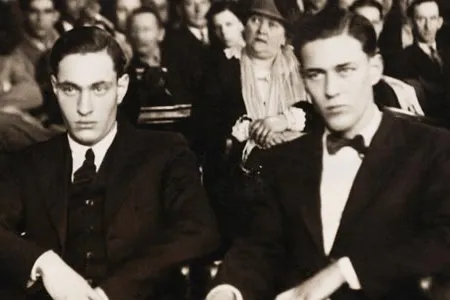
The DefendantsNathan Leopold (left) and his lover Richard Loeb confessed that they had kidnapped and murdered Bobby Franks solely for the thrill of the experience.

Leopold and Loeb’s Criminal Minds

In defense of murderers Leopold and Loeb, attorney Clarence Darrow thwarted a nation’s call for vengeance
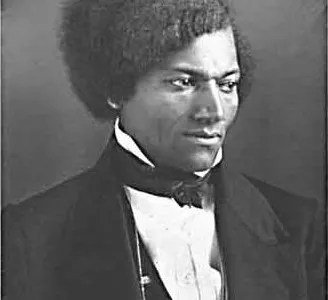
Frederick Douglass

Conventional Facts

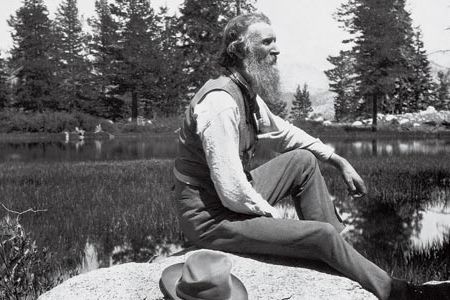
“Everybody needs beauty... places to play and pray in, where Nature may heal and cheer and give strength to body and soul alike,” wrote Muir (c. 1902).

John Muir’s Yosemite

The father of the conservation movement found his calling on a visit to the California wilderness
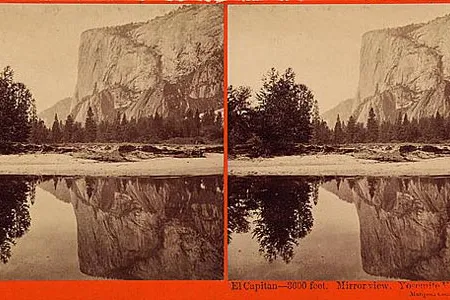
Carleton Watkins stereograph of El Capitan in Yosemite

About Carleton Watkins

On the life and career of the 19th-century American landscape photographer who captured Yosemite in stereo
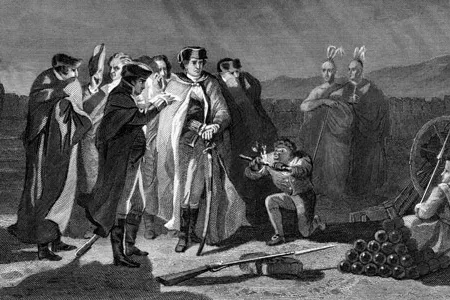
French and Indian War: "The Night Council at Fort Necessity." Ilustration

The First “Teflon” Hero

What July 4th, 1754 reveals about George Washington’s survival skills
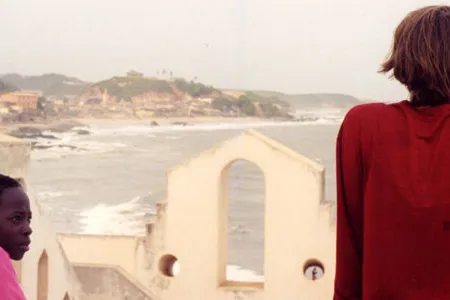
Katrina Browne and a Ghanaian child on the ramparts of Cape Coast Castle slave fort.

A Northern Family Confronts Its Slaveholding Past

Filmmaker Katrina Browne discusses her family’s role in American slavery
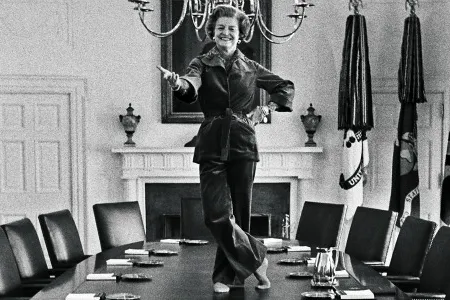
On her final day as first lady, Betty Ford told Kennerly her idea for the Cabinet Room table.

Betty Ford’s Tabled Resolution

Betty Ford had a what-the-hell moment—and an accomplice in photographer David Hume Kennerly
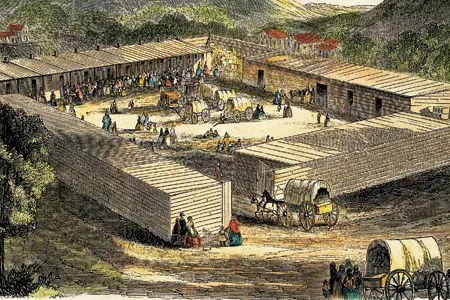
A Mormon encampment in Provo, 1858

The Brink of War

One hundred fifty years ago, the U.S. Army marched into Utah prepared to battle Brigham Young and his Mormon militia
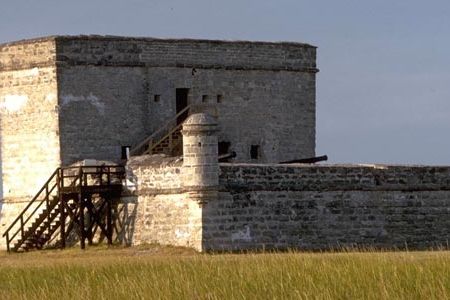
Fort Matanzas, about fifty feet long on each side, was constructed of coquina, a local stone formed from clam shells and quarried from a nearby island.

America’s First True “Pilgrims”

An excerpt from Kenneth C. Davis’s new book explains they arrived half a century before the Mayflower reached Plymouth Rock
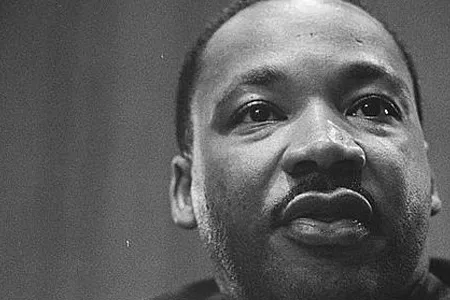
Martin Luther King, Jr.

Goodbye, Columbus

A new survey upends the conventional wisdom about who counts in American history
None

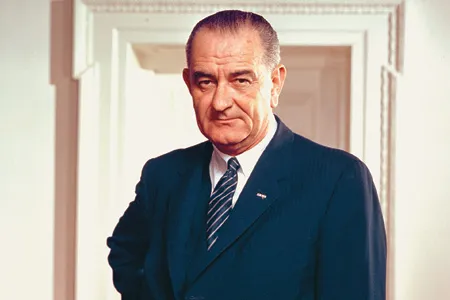
The Unmaking of the President

Lyndon Johnson believed that his withdrawal from the 1968 presidential campaign would free him to solidify his legacy

Page 140 of 163