

Why a 100-year-old game is still spreading across our playgrounds
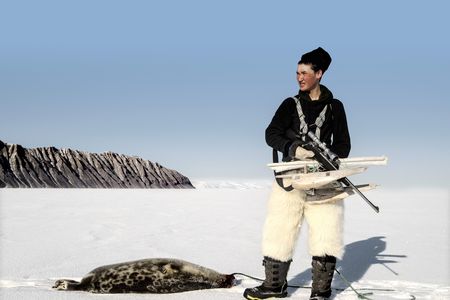
Deep inside the Arctic Circle, Inuit hunters embrace modern technology but preserve a traditional way of life

How Scientists Are Recapturing the Magic of a Beloved, Long-Lost Tomato
Wiped out by disease and market demands, the Rutgers tomato may be making a comeback
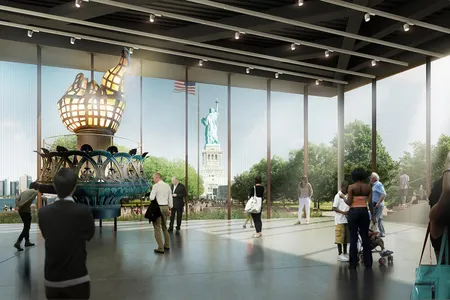
A New Museum Sheds Light on the Statue of Liberty
The revamped building will open in May

The World’s Weirdest Architectural Feat Involves Building a Cathedral With Ninth-Century Tools
In a German forest, artisans fleeing modernity build a time machine to the medieval age

The History of the Spelling Bee
Even in the age of autofill, America is still in love with the centuries-old tradition
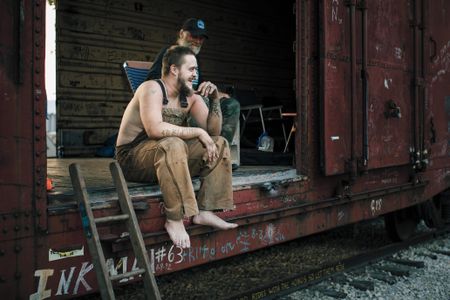
The Last of the Great American Hobos
Hop a train to Iowa, where proud vagabonds gather every summer to crown the new king and queen of the rails

The Family That Feels Almost No Pain
An Italian clan’s curious insensitivity to pain has piqued the interest of geneticists seeking a new understanding of how to treat physical suffering
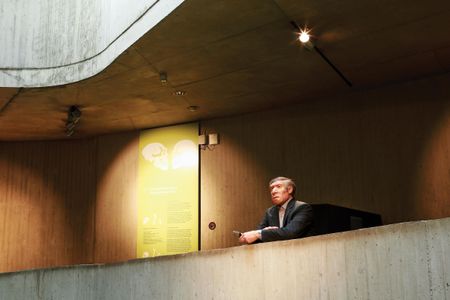
What Do We Really Know About Neanderthals?
Revolutionary discoveries in archaeology show that the species long maligned as knuckle-dragging brutes deserve a new place in the human story

The High-Tech, Humane Ways Biologists Can Identify Individual Animals
Humans have driver’s licenses and fingerprints, but cows have nose-prints and zebras have “StripeCodes”

Daesha Devón Harris Combines Oral History and Antique Portraits to Tell a Story of Loss and Hope
These layered works testify to African-American history

What Do Dragons Symbolize and More Questions From Our Readers
You asked, we answered
Readers Respond to Our March Issue
Your feedback on our cover story and more
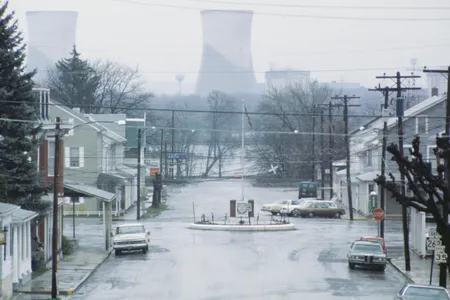
For Those Living Nearby, the Memory of the Three Mile Island Accident Has a Long Half-Life
Robert Reid, then the mayor of nearby Middletown, recalls the partial meltdown of the nuclear reactor more than 40 years ago

The Rivalry Between Two Doctors to Implant the First Artificial Heart
Featuring titans of Texas medicine, the race was on to develop the cutting-edge technology
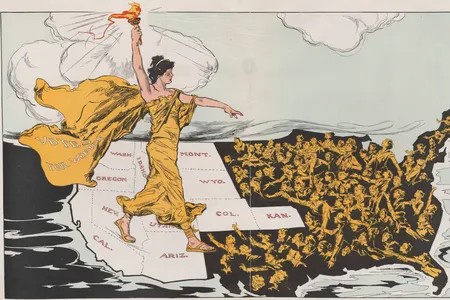
The Long Battle for Women’s Suffrage
With the centennial anniversary of the passage of the 19th Amendment approaching, a look back at the surprising history of giving women the vote
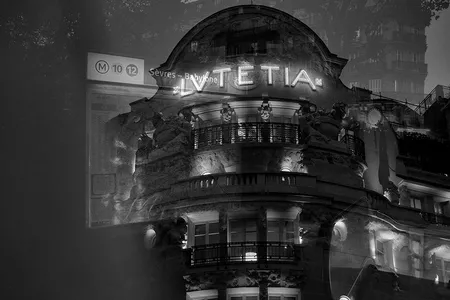
Paris’ Hotel Lutetia Is Haunted by History
The ghosts of Nazis, French resistance fighters and concentration camp survivors still inhabit the grand building on Paris’ famed Left Bank

Police today increasingly embrace DNA tests as the ultimate crime-fighting tool. They once felt the same way about fingerprinting
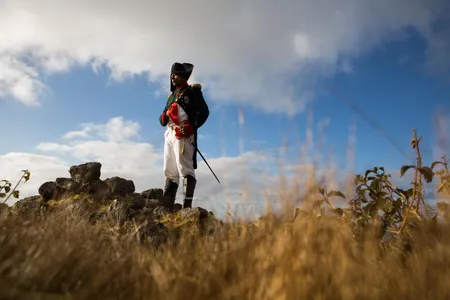
A Journey to St. Helena, Home of Napoleon’s Last Days
We crossed the globe to the tiny, remote island to sample the splendid desolation of the emperor’s exile under a scornful British governor

How Did the White Picket Fence Become a Symbol of the Suburbs?
And why the epitome of the perfect house became so creepy
Page 48 of 95