
Stories from Margherita Bassi
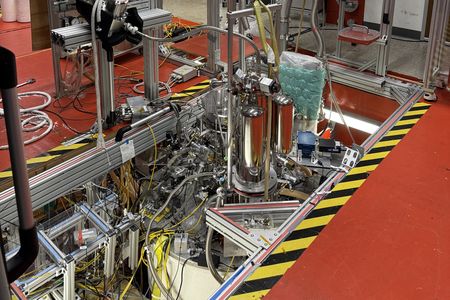
The standard model of particle physics works really well, but it can’t explain why the universe exists. Something is missing, and this trapped particle might hold a clue to the answer
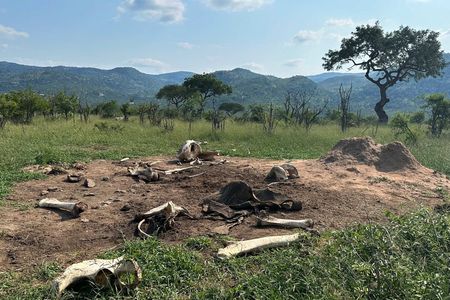
At first, plants below an elephant carcass die. Soil microbes and plants grow back soon after, but only a few select species. Herbivores later come in to munch on the nutrient-rich greens
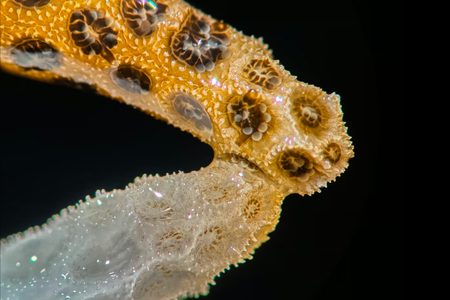
A coral is often a colony of tiny, genetically identical animals. New research suggests that when a bleached coral fragment comes into physical contact with a colorful, thriving clone, the pale one can revive within weeks
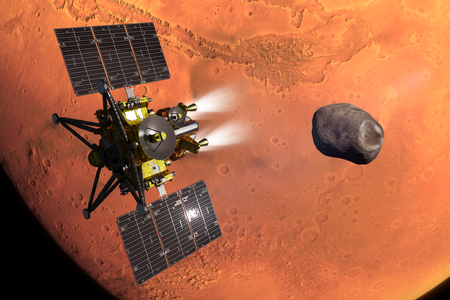
The Japan Aerospace Exploration Agency’s spacecraft is expected to reach the Martian system in August 2027 and return samples from the moon Phobos to Earth in 2031
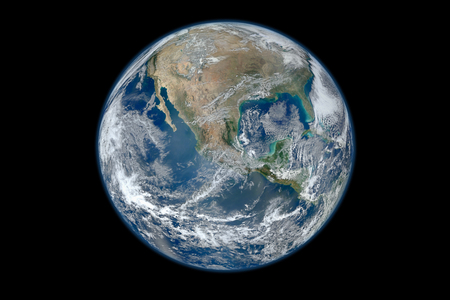
The phenomenon, which involves the geographic poles, is distinct from when the magnetic poles move. The planet’s solid crust and molten mantle occasionally shift and subsequently reorient themselves during what’s called true polar wander
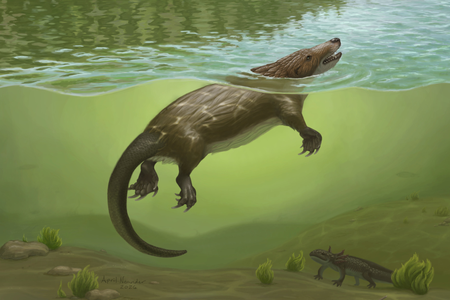
The roughly two- to four-pound predator lived alongside dinosaurs some 165 million years ago. A fossil found in northern China shows the strange creature had a surprisingly modern throat structure

It’s Official: Timekeepers Have Gotten Rid of the Leap Second—and Introduced the Leap Hour Instead
Since 1972, experts have added 27 seconds to Coordinated Universal Time to keep it aligned with Earth’s rotation, but it has been an imperfect fix
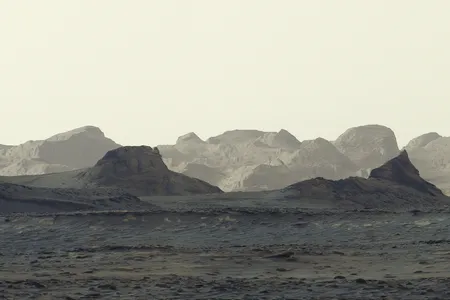
These crags don’t match the rest of the mountain, and scientists don’t know how they formed
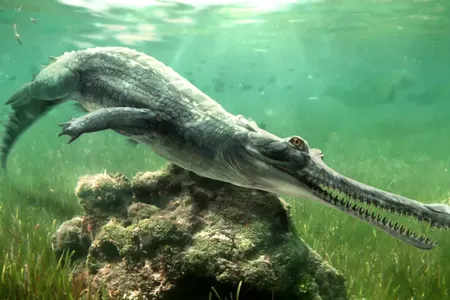
The specimen was long mislabeled, according to a new study. Paleontologists identified it as a previously undescribed genus and species of gavial—a cousin of crocodiles and alligators—which they named after the ancient Egyptian god Horus

Hamilton popularized the term “software engineer” and created computer programs that could anticipate problems. She received a Presidential Medal of Freedom and was inducted into the National Aviation Hall of Fame
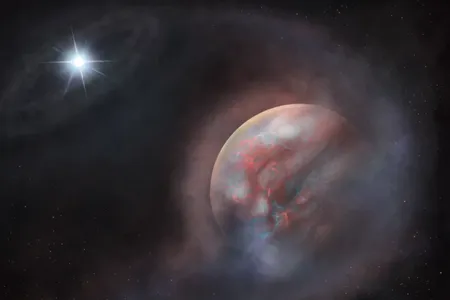
Like a Mythical Phoenix, This Planet May Have Risen From the Ashes of a Dead Star
The “second-generation” world, predicted from telescope data, could be the first known planet of its kind, and it may shed light on the future of our own solar system

Karl Deisseroth, Peter Hegemann and Georg Nagel received the 2026 award for their contributions to a revolutionary technique in neuroscience called optogenetics, which allows researchers to examine precise connections between neuronal activity and behavioral outcomes in live animals
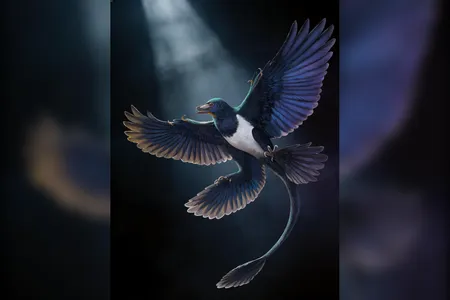
The fossil belonged to a category of dinosaurs called microraptors, which were bird-like but not ancestors of modern-day avians. A new study found that this group of ancient predators evolved similar anatomical adaptations to birds, but developed them in a different order
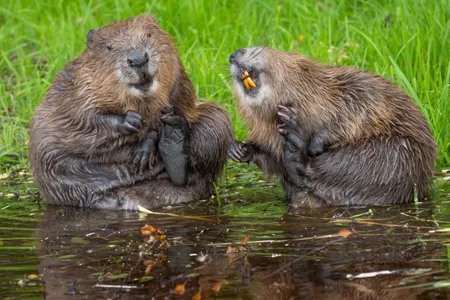
From a sneezing moose to a real-life angry bird, this year’s competition received a whopping more than 10,000 entries from 112 countries
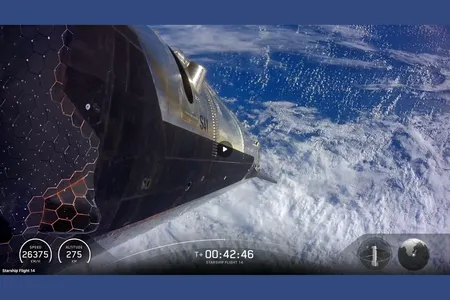
Two aerospace companies are competing to create the lunar lander NASA uses when it returns humans to the moon’s surface. But to reach our lunar companion, a spacecraft will first have to get to Earth orbit
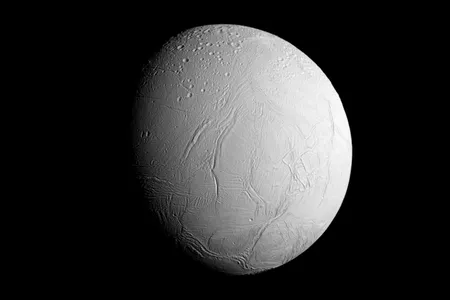
Enceladus is covered in ice, but that layer might hide a subsurface ocean. Researchers have long wondered if the salty body of water has the right conditions to host life, and now, a team suggests that an Earthly, heat-loving organism could thrive there
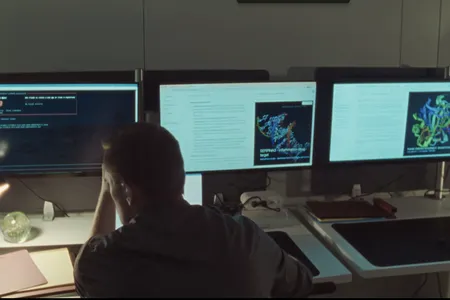
Experts at the company don’t know what the newfound system does, so its potential utility in biology—if any—remains unclear. But the work marks a major advancement because the A.I. made this discovery mostly on its own
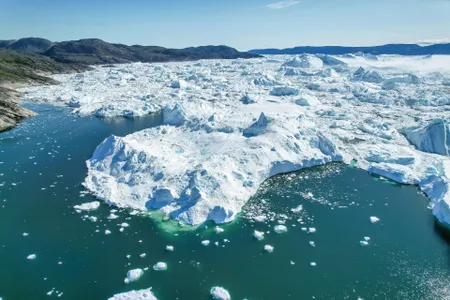
Most of the frozen water has vanished because glaciers have been flowing faster into the ocean, rather than because of surface melting of ice sheets, according to a new study. Researchers estimate the ice loss has raised the global sea level by more than one inch
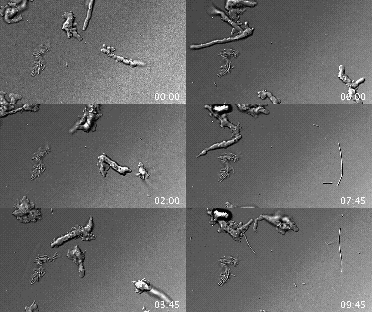
The newly described species, found in Northern California’s Lassen Volcanic National Park, can still reproduce at 145 degrees Fahrenheit and move around at 147 degrees, according to a new study
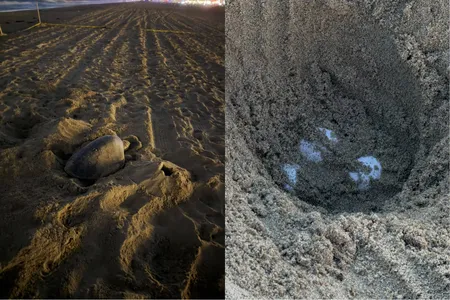
Two olive ridley turtles were found laying eggs on beaches in Southern California in September. In the Pacific Ocean, these reptiles normally nest farther south, often in Mexico, Nicaragua, Costa Rica and Panama
Page 2 of 27