
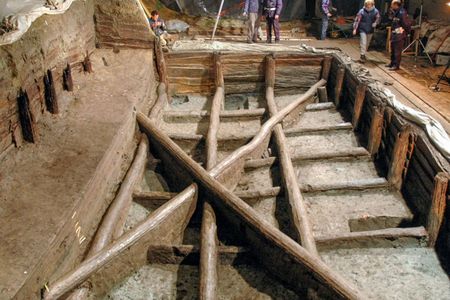
3,400-Year-Old Artificial Pool in Italy May Have Hosted Religious Rituals
New research dates the wooden basin’s construction to a time of immense social change for Bronze Age people
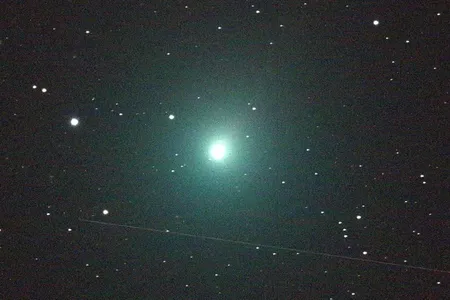
Boozy Comet’s Mysterious Heat Source Offers Clues to How Planets Like Earth Obtain Water
The cosmic relic contains minerals from when the solar system first formed and high amounts of methanol
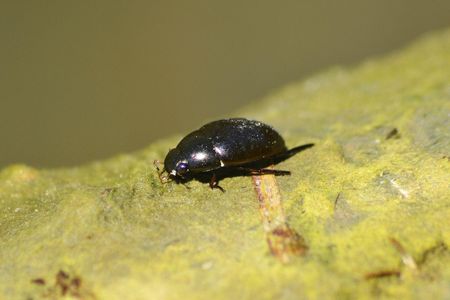
Some Bugs Walk on Water, but This Talented Beetle Scurries Underneath Its Surface
The aquatic critter may use bubbles to stay inverted
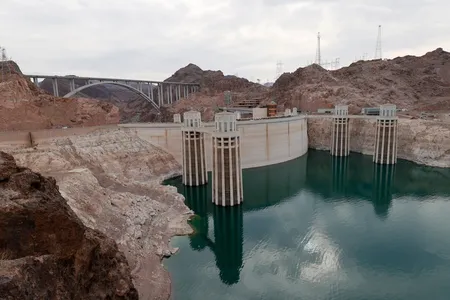
Hoover Dam’s Lake Mead Hits Lowest Water Level Since 1930s
The reservoir generates electricity and supplies water to about 25 million people across tribal lands, farms and major cities
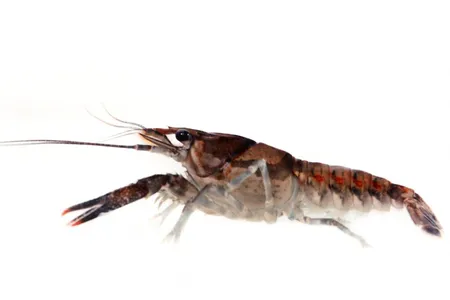
Crayfish Exposed to Antidepressants Are More Adventurous
While the traces of drugs found in waterways alter the crustacean’s behaviors, it may leave them more vulnerable to predation
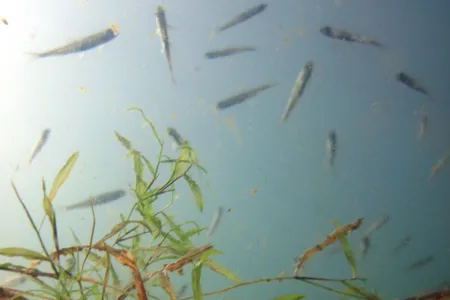
Climate Change Is Draining the World’s Lakes of Oxygen
Hotter, longer summers are increasing water temperatures, which reduces lake oxygen levels, especially in deep waters
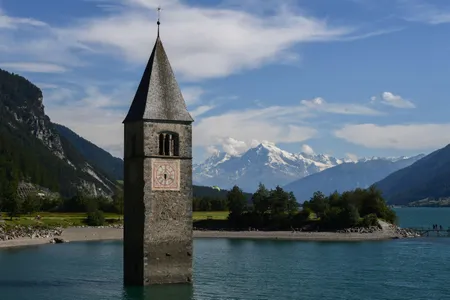
Submerged Italian Village Briefly Resurfaces After 70 Years Underwater
Construction work revealed the foundations of Curon, a historic alpine town, for the first time since 1950
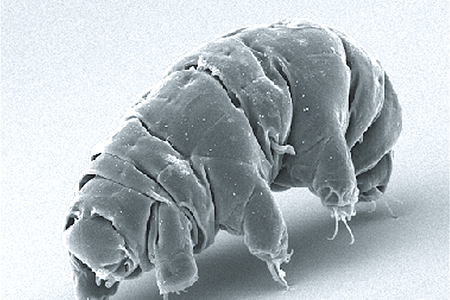
Water Bears Can Survive Impact Speeds of 1,845 Miles Per Hour
Tardigrades thrive in a variety of extreme conditions, so researchers wanted to know if they could withstand simulated space landing impacts
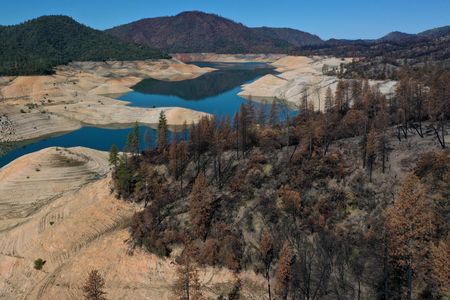
California’s Fire Season May Be Starting Early This Year
The state issued a ‘red flag’ fire warning on May 2, the first one issued in May since 2014, during a stretch of abnormally hot, dry and windy weather
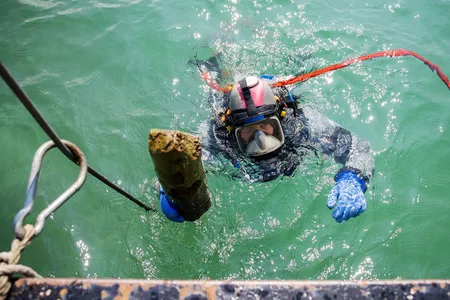
3,000-Year-Old Submerged Settlement Discovered in Switzerland
Traces of a prehistoric pile dwelling suggest humans inhabited the Lake Lucerne area 2,000 years earlier than previously thought
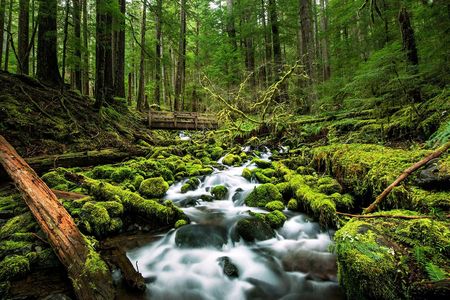
Listening to Nature Gives You a Real Rocky Mountain High
Sounds like birdsong and flowing water may alleviate stress, help lower blood pressure and lead to feelings of tranquility
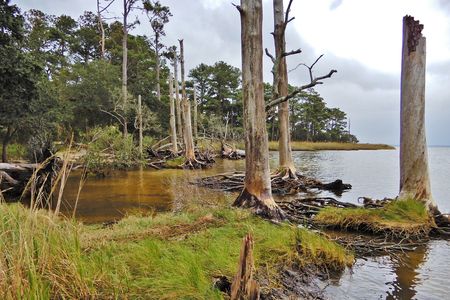
‘Ghost Forests’ May Become More Common as Sea Levels Rise
East Coast woodlands are left parched as brackish water encroaches on landscapes
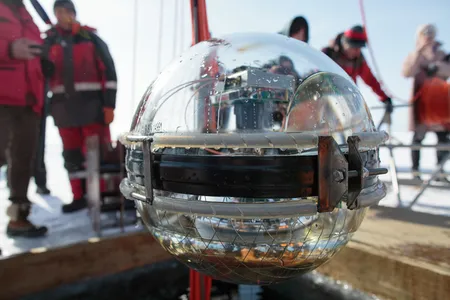
Russian Scientists Sink Giant Deepwater Neutrino Telescope Into World’s Largest Freshwater Lake
In the depths of Lake Baikal, the observatory is designed to detect nature’s ghost particles
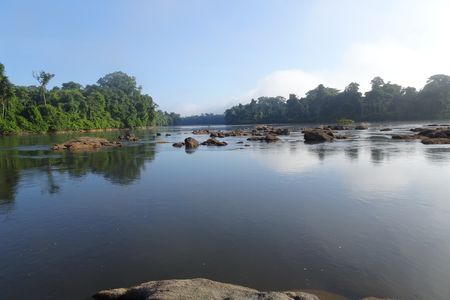
One-Third of Freshwater Fish Species Are at Risk of Extinction
Humans have severely damaged more than half of the world’s rivers
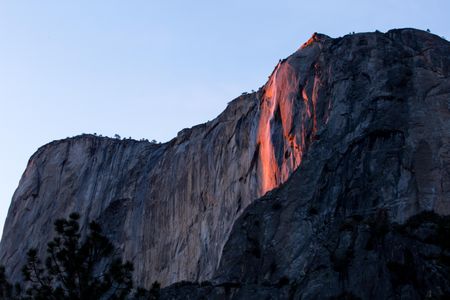
Yosemite’s ‘Firefall’ Natural Wonder Illuminates El Capitan Through the End of February
Under the right conditions, viewers will have a short window of 10 minutes each evening to experience the glowing falls
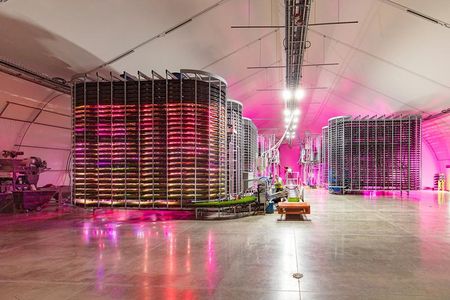
Could Indoor Vertical Farms Feed Livestock?
The people at Grōv Technologies think farmers can produce wheatgrass for their herds with less land and water using the method
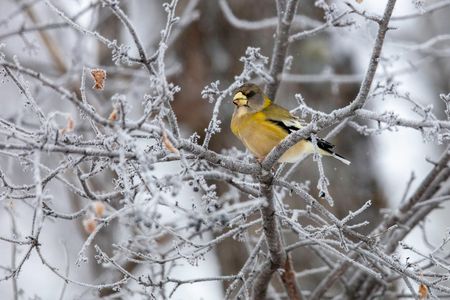
The Wintertime Wonder of Unusual Ice
Rime ice in the Midwest and hair ice in the United Kingdom have people wondering: Why does ice do that?

Innovation for Good: Game Changers
Ten Innovators to Watch in 2021
These visionaries are imagining an exciting future with chicken-less eggs, self-piloting ships and more
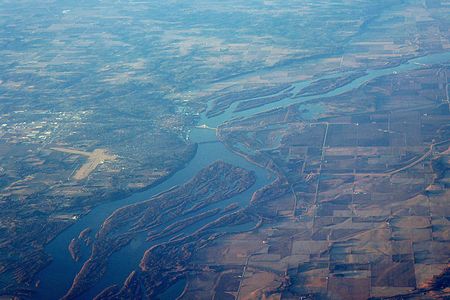
A Third of the United States’ Rivers Have Changed Color Since 1984, Satellite Images Reveal
The transformation from blue to shades of yellow and green raises concerns that waterways have been increasingly imperiled since 1984
Innovation for Good: Game Changers
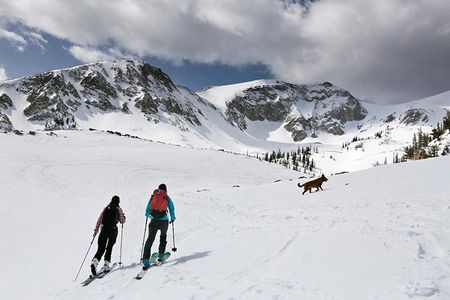
Twenty-Four Ways to Turn Outdoor Passions Into Citizen Science
Heading into the new year, consider collecting scientific data while skiing, hiking, surfing, biking and partaking in other adventures
Page 26 of 44