Subscribe to Smithsonian magazine and get a FREE tote.

Slavery

None

There's More to That

Dive Into the Deeper Story of the American Revolution on How New England and Virginia United Against the British

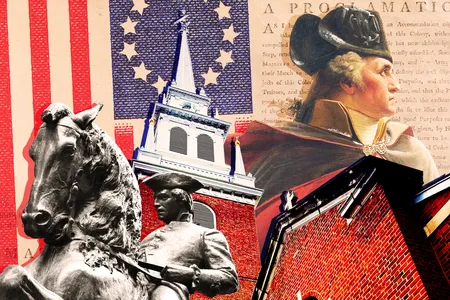
Inside the steeple of Old North Church and among the Southern Colonies, less familiar stories of the events from 250 years ago emerge
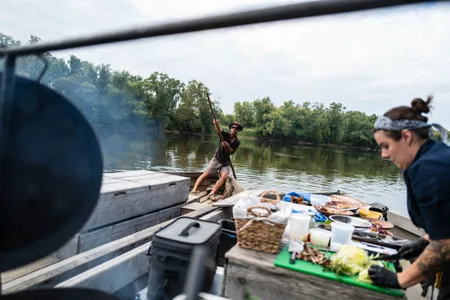
A batteau is a flat-bottomed vessel, a wooden relic of the 18th century that once carried tobacco, iron and flour through Virginia.

Two Centuries Ago, Batteaumen on Virginia’s James River Ended Long Work Days With a Taste of Freedom

The James River Batteau Company, an outdoor recreation-meets-historical tour business, has designed a dinner cruise that honors the resilience and culinary ingenuity of enslaved boatmen

A 19th-century lithograph of Patrick Henry's "give me liberty or give me death" speech

America's 250th Anniversary

Discover Patrick Henry’s Legacy, Beyond His Revolutionary ‘Give Me Liberty or Give Me Death’ Speech

Delivered 250 years ago, the famous oration marked the height of Henry’s influence. But the politician also served in key roles in Virginia’s state government after the American Revolution

Illustration by Meilan Solly / Photos via the Maryland Department of Transportation

These Everyday Artifacts Tell the Story of Harriet Tubman’s Father’s Home as Climate Change Threatens the Historic Site

The Maryland Department of Transportation launched an interactive virtual museum, showcasing finds from where Ben Ross lived after emancipation
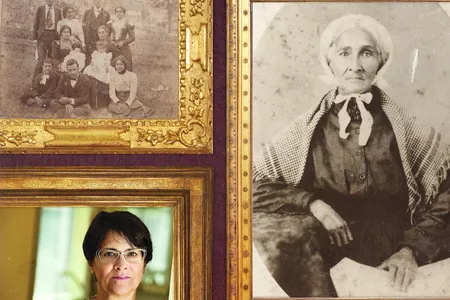
Historian Martha S. Jones (bottom left) turned to ledgers, deeds, census records and government documents to unravel her family's story.

How a Leading Black Historian Uncovered Her Own Family’s Painful Past—and Why Her Ancestors’ Stories Give Her Hope

Martha S. Jones’ new memoir draws on genealogical research and memories shared by relatives
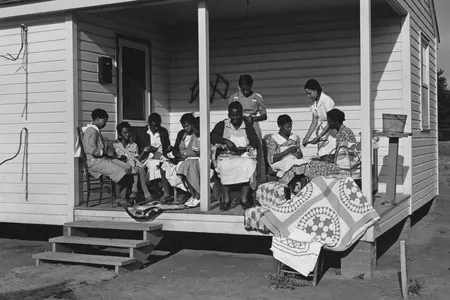
A group of women sewing a quilt on the porch of a property in Georgia, May 1939

From the Antebellum South to the Civil Rights Movement, Black American Women Have Long Told Their Stories Through Quilts

In a new exhibition at the Smithsonian American Art Museum’s Renwick Gallery, over 30 works showcase the significance of this quilting tradition
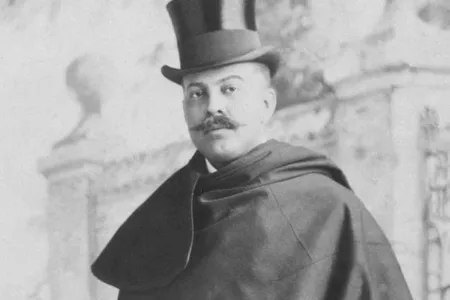
William Henry Ellis traveled the world, made and lost millions, tried his hand at Texas politics, consulted with emperors, and met with the presidents of multiple countries.

Untold Stories of American History

Born Enslaved, This Black Millionaire Attempted to Colonize Mexico and Aspired to Be the Emperor of Ethiopia

William Henry Ellis masqueraded as a Mexican businessman, but he never shied away from his Black roots
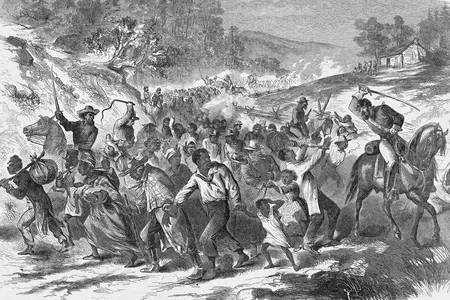
A Harper's Weekly illustration of Confederate soldiers driving Black Americans south in 1862

Untold Stories of American History

After Confederate Forces Captured Their Children, These Black Mothers Fought to Reunite Their Families

During the Civil War, Confederates targeted free Black people in the North, kidnapping them to sell into slavery. After the conflict ended, two women sought help from high places to track down their lost loved ones
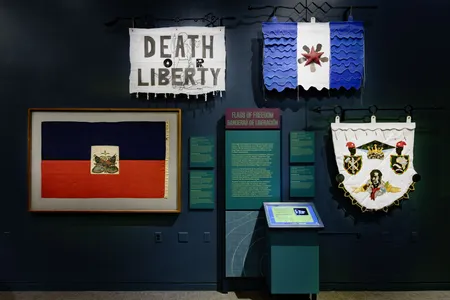
A view of the "In Slavery's Wake" exhibition at the National Museum of African American History and Culture

The Vast Geographic Scope of Slavery Is Hard to Fathom. One Groundbreaking Exhibition Shows Its True Scale Around the Globe

At the National Museum of African American History and Culture, “In Slavery’s Wake” tells the international history of slavery and Black freedom
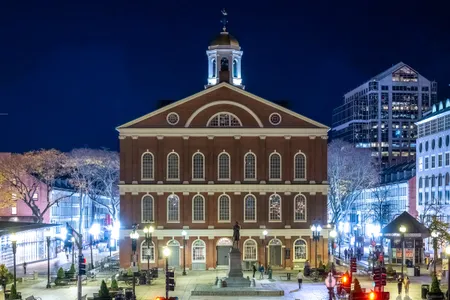
Atop Faneuil Hall sits a grasshopper weather vane, imitating a similar one on London’s Royal Exchange.

America's 250th Anniversary

Why Faneuil Hall Is the Perfect Metaphor for the American Revolution’s Complicated Definition of Liberty

How a lively market on Boston Harbor became part of many defining moments of the Colonial and Revolutionary eras
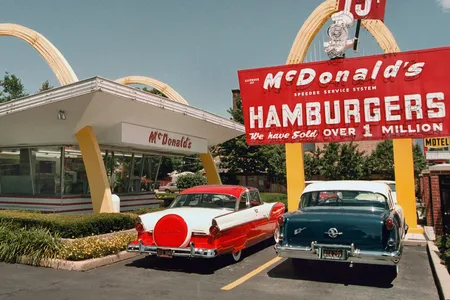
“In postwar America, fast food was seen as a ladder to the middle class,” says journalist and author Adam Chandler. “If you were part of a familiar chain, banks were willing to lend you money, and people would come to your establishment right away because you were a proven entity.”

The Roots of U.S. Work Culture—and Why the American Dream Is So Difficult to Achieve Today

A new book examines the evolution of the American workplace, interrogating the idea that hard work is enough to ensure success
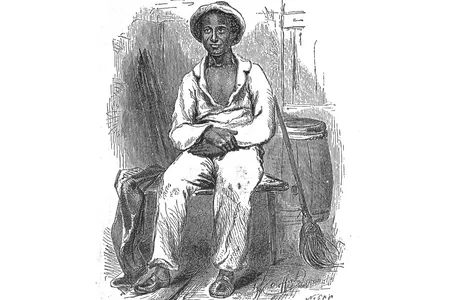
A sketch of Solomon Northup from his memoir, Twelve Years a Slave

On This Day in History

Solomon Northup’s ‘Twelve Years a Slave’ Came to an End as He Regained His Long-Awaited Freedom on This Day in 1853

Northup’s memoir told the story of his kidnapping and years of enslavement in Louisiana. The book became a national best seller and inspired an Oscar-winning film
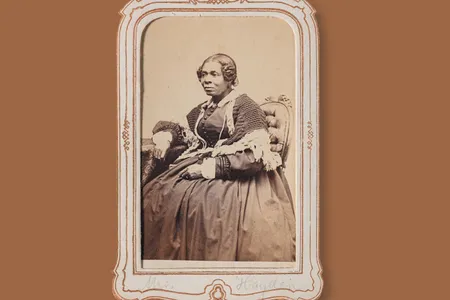
Harriet Bell Hayden 

The Remarkable Life of One of Boston’s Most Fervent and Daring Abolitionists

Harriet Bell Hayden is believed to have helped hundreds of people fleeing slavery from her Beacon Hill residence
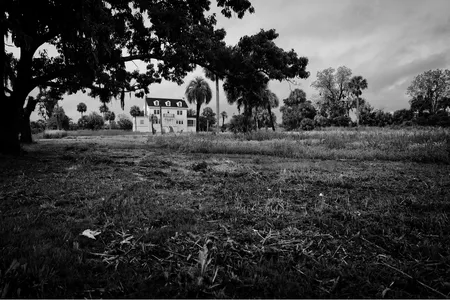
Major Pierce Butler, a U.S. senator representing South Carolina and an original signer of the United States Constitution, left the 1,500-acre rice plantation—and its enslaved laborers—to his grandsons when he died. For locals whose ancestors were forced to work there, it’s considered a sacred place.

Inside the Struggle to Preserve Georgia’s Butler Island, Home to a Notorious Plantation

Descendants of people enslaved at the site are grappling with its complicated history while also honoring the region’s rich culture
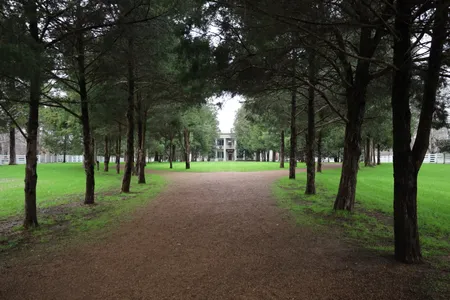
The Hermitage in Nashville is the former plantation of Andrew Jackson.

Archaeologists Discover Lost Burial Site of Enslaved People on President Andrew Jackson’s Tennessee Plantation

An estimated 28 probable graves were identified at the seventh American president’s former property, called the Hermitage

An 1812 illustration of a private from the Fifth West India Regiment. In the 1790s, the remaining members of the Carolina Corps became part of the newly established First West India Regiment.

America's 250th Anniversary

These Black Soldiers Fought for the British During the American Revolution in Exchange for Freedom From Slavery

The Carolina Corps achieved emancipation through military service, paving the way for future fighters in the British Empire to do the same
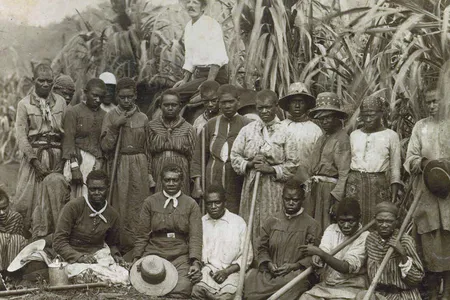
Estimates of the number of Pacific Islanders captured by blackbirders and forced to work on cotton and sugar plantations in Fiji and Australia range from 61,610 to more than 100,000.

How ‘Blackbirders’ Forced Tens of Thousands of Pacific Islanders Into Slavery After the Civil War

The decline of the American South’s cotton and sugar industries paved the way for plantations in British-controlled Fiji and Australia, where victims of “blackbirding” endured horrific working conditions
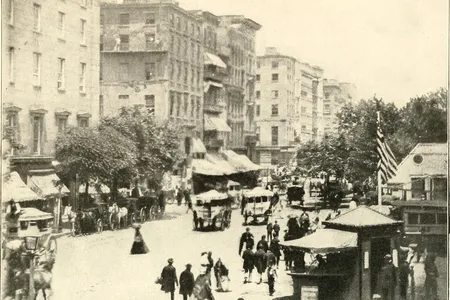
Broadway, New York City at the outbreak of the Civil War in 1861. Union soldiers can be seen walking outside a recruiting station in the image's bottom right corner. 

On This Day in History

The Shocking Moment When a Group of Confederate Spies Plotted—and Failed—to Burn Down New York City

Southern operatives tried to light New York businesses on fire and bring the Northern city to its knees on this date in 1864
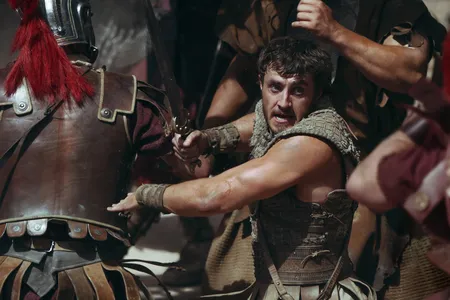
Paul Mescal as Lucius Verus in Gladiator II, which tells a heavily fictionalized story of the joint reign of brothers Geta and Caracalla

Based on a True Story

The Real History Behind Ridley Scott’s ‘Gladiator II’ and Life as a Fighter in the Ancient Roman Arena

The “Gladiator” sequel centers on Lucius Verus, the secret son of Russell Crowe’s character from the 2000 film. Both men achieve fame as enslaved fighters driven by their desire for revenge
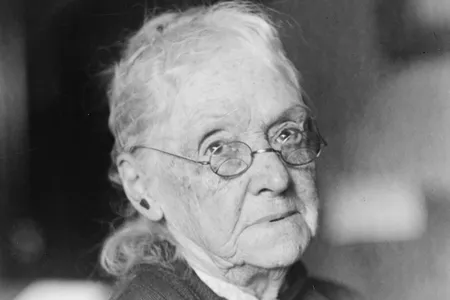
Rebecca Latimer Felton, photographed between 1909 and 1930

On This Day in History

Meet the Woman Who Was the First Female Senator and the Last Senator to Be an Enslaver. She Served for Just One Day

Rebecca Felton was sworn in on this day, and despite her short time in power, her legacy reveals deep contradictions in American history

Page 4 of 26