
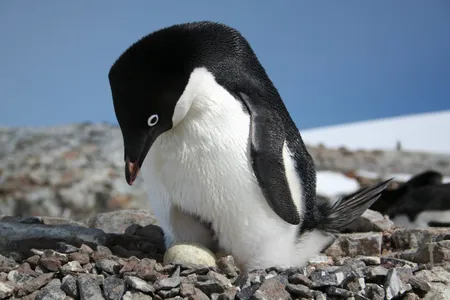
Adelie Penguins Poop So Much, Their Feces Can Be Seen From Space
Satellite images of the Adelie penguin’s pink guano shows how their colony size and diet have changed over the last 4 decades
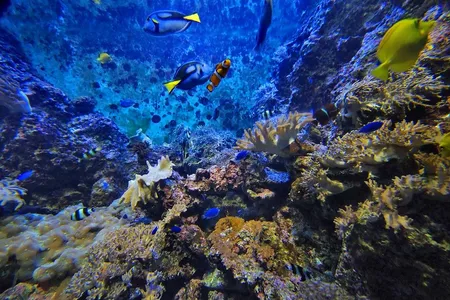
How Did the ‘Great Dying’ Kill 96 Percent of Earth’s Ocean-Dwelling Creatures?
Researchers say the prehistoric mass extinction event could mirror contemporary—and future—devastation sparked by global warming
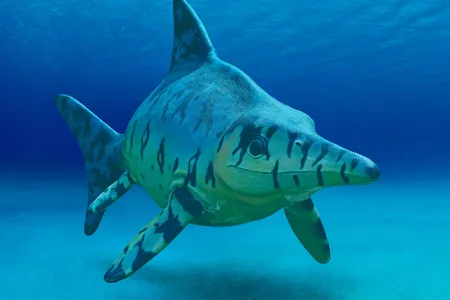
Like Whales and Dolphins, Prehistoric ‘Fish Lizards’ Kept Warm With Blubber
A new analysis of a pristine ichthyosaur fossil reveals that the prehistoric marine reptile had a layer of insulating fatty tissue
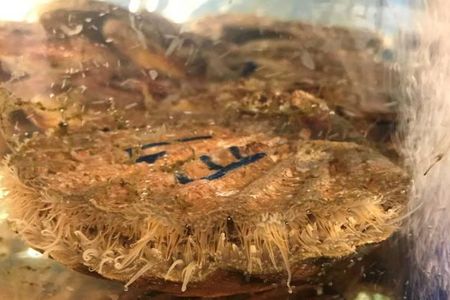
It Only Takes Six Hours for Billions of Plastic Nanoparticles to Accumulate in Sea Scallops
The particles accumulated with rapid speed, but it took up to 48 days for them to disappear from the mollusks’ systems
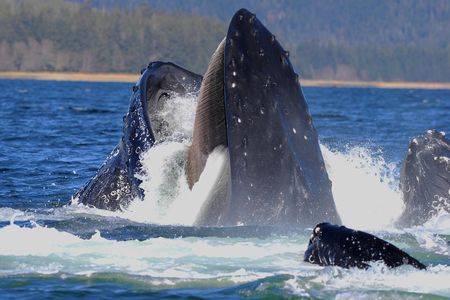
Prehistoric Whale Jaw Bone Sheds Light on the Evolution of Baleen
Hidden in a museums’ collections for years, a fossil provides a link between past and present feeding mechanisms
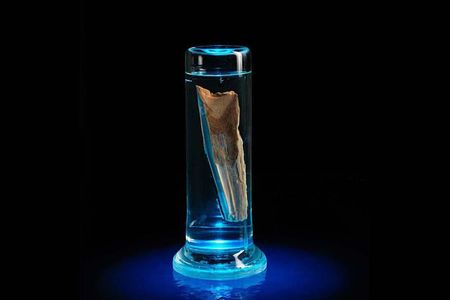
We Know How Stressed Whales Are Because Scientists Looked At Their Earwax
A new study looks at stress hormone levels in whale ear wax, showing how hunting and climate change have impacted he giant beasts
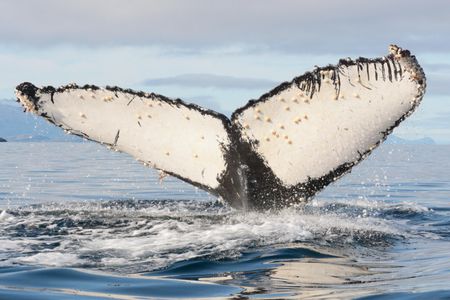
With Humans Out of the Way, Humpbacks Are Flourishing—But So Are Orcas
Researchers are just now beginning to understand what happens when one whale species attacks another
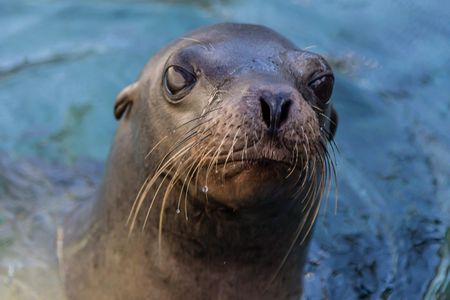
Major Disease Outbreak Strikes California Sea Lions
Leptospirosis afflicts sea lions on a semi-regular cycle, but warming waters and migrating fish could make the marine mammals more susceptible
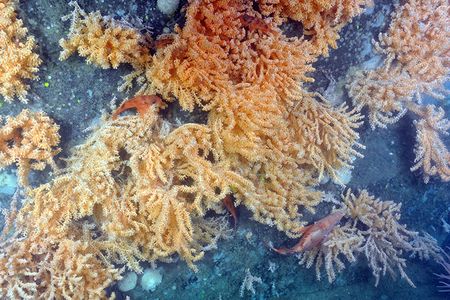
Parts of the Ocean Floor Are Disintegrating—And It’s Our Fault
A new study has found that calcium carbonate on the sea floor is dissolving too quickly in an effort to keep up with excess carbon dioxide
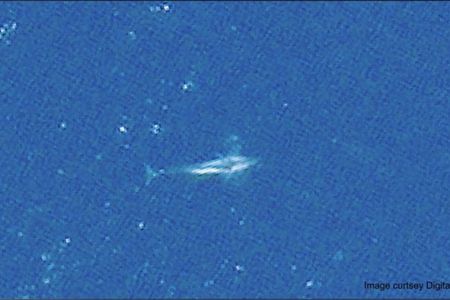
Researchers Can Now Monitor Whales Via Satellite
The latest high resolution satellites can pick out whales surfacing in huge swaths of ocean, which will aid in conservation
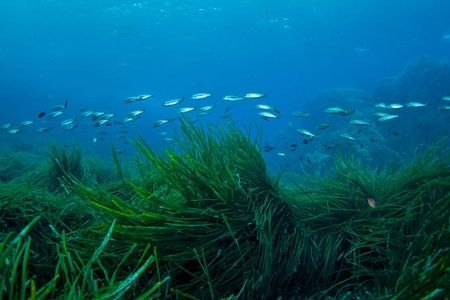
Underwater Meadows of Seagrass Could Be the Ideal Carbon Sinks
Many ecosystems absorb and store vast amounts of carbon dioxide, and seagrass is one of the most efficient natural carbon storage environments
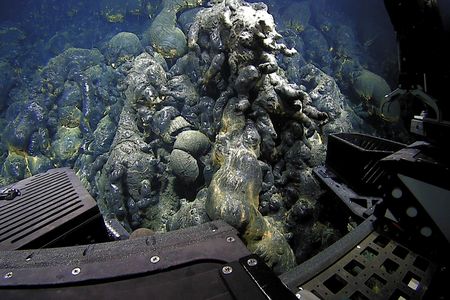
Researchers Unearth Glass Labyrinth Created by Underwater Volcanic Eruption
The unusual formation is situated nearly three miles below the ocean’s surface—a distance greater than Mount Rainier’s height above sea level
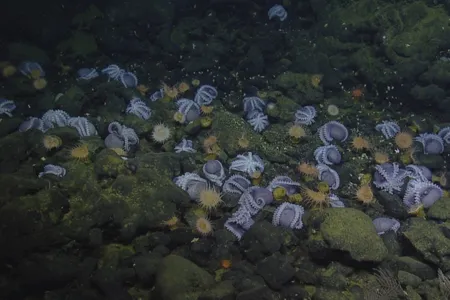
Never-Before-Seen Colony of 1,000 Brooding Octopuses Found Off California Coast
The deep sea creatures are raising their eggs on the Davidson Seamount in Monterey Bay National Marine Sanctuary
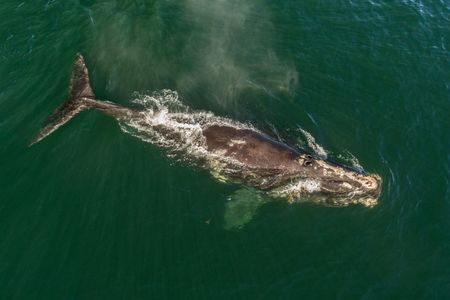
With dwindling numbers due to snags in lobster traps and collisions with ships, the right whale is looking for a way to make a comeback
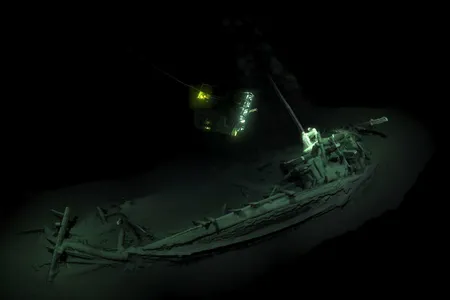
Oldest Intact Shipwreck Discovered in the Black Sea
The Greek merchant vessel similar to those found on ancient pottery was carbon dated to 400 B.C.
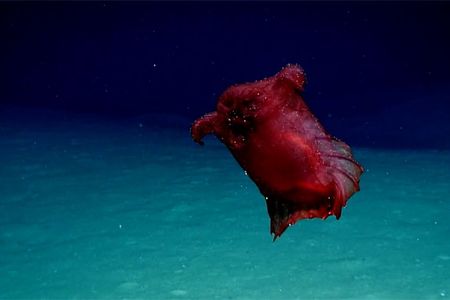
A Rare Sighting of the ‘Headless Chicken Monster’ of the Sea
The strange sea cucumber, spotted in the Southern Ocean, has only been captured on video once before
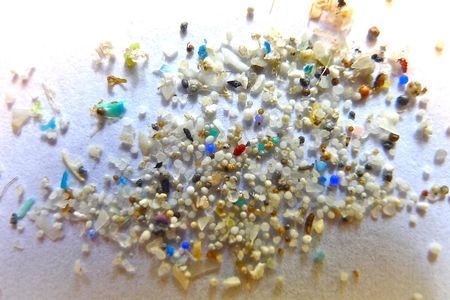
Microplastics Found in Human Poop for the First Time
The pesky particles were present in all eight stool samples gathered for pilot study
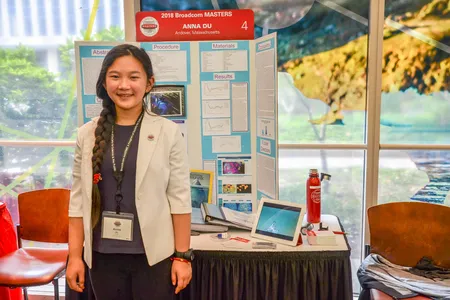
This 12-Year-Old Girl Built a Robot That Can Find Microplastics In the Ocean
Massachusetts seventh grader Anna Du has developed an ROV that moves through water and detects microplastics on the seafloor
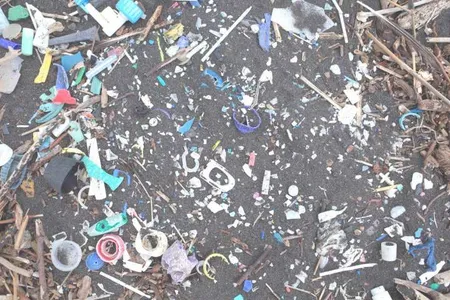
Remote South Atlantic Islands Are Flooded With Plastic
In less than ten years, plastic pollution around St. Helena, East Falkland and Ascension Islands has increased tenfold, and 100 times in the last 30 years
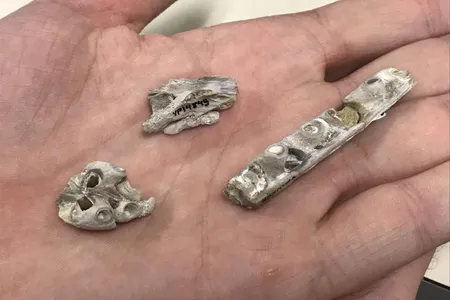
A Case of Mistaken Sea Monster Identity
Re-analysis of Kansas fossils show they come from a newborn Tylosaurus, which were born without their tell-tale toothy snouts
Page 52 of 89