
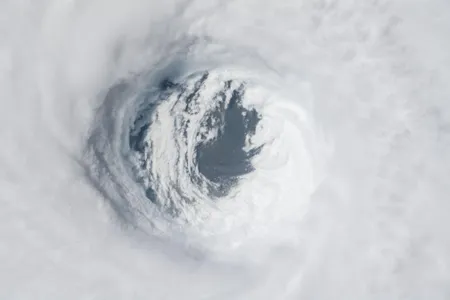
Hurricane Michael Could Worsen—or Alleviate—Florida’s Toxic Red Tide Outbreak
Experts describe conflicting scenarios that alternately find the state’s poisonous algal bloom either weakening offshore or spreading inland
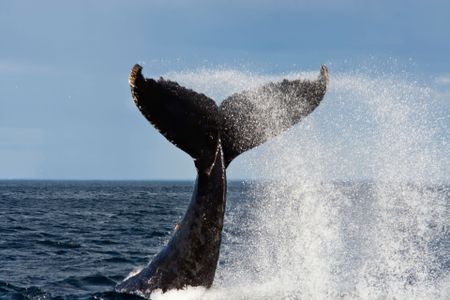
Today’s Whales Are Huge, But Why Aren’t They Huger?
Most giant cetaceans only got giant in the past 4.5 million years, suggesting they could have room to grow
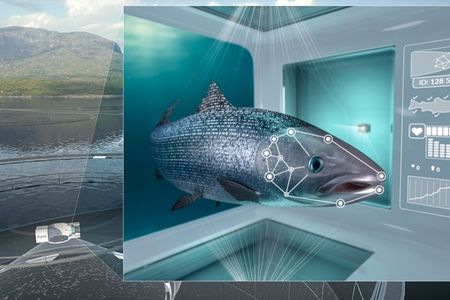
How Fish Farms Can Use Facial Recognition to Survey Sick Salmon
A Norwegian aquaculture company plans to combat sea lice and other problems by monitoring individual salmon in a high-tech fish farms
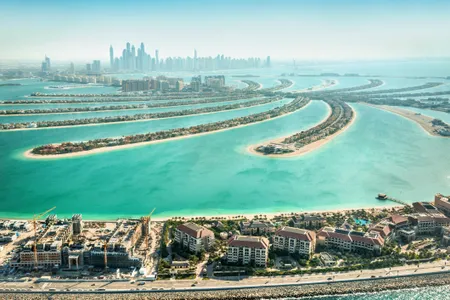
Can Artificial Islands Solve Overcrowding?
Some say yes, others say the increasingly popular projects are too expensive and harmful to the environment
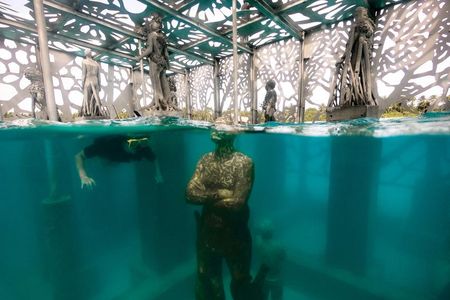
Maldivian Government Destroys World’s First Intertidal Art Gallery
Before President Abdulla Yasmeen lost the country’s election, his government ordered the demolition of the conservation-minded underwater sculpture garden
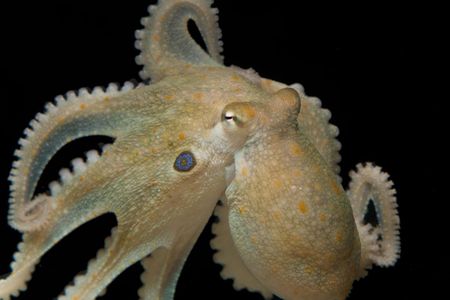
Ecstasy Turns Antisocial Octopuses Into Lovestruck Cuddle Buddies—Just Like Us
The genetic and neurological similarities between octopuses and humans shed light on how creatures became social beings
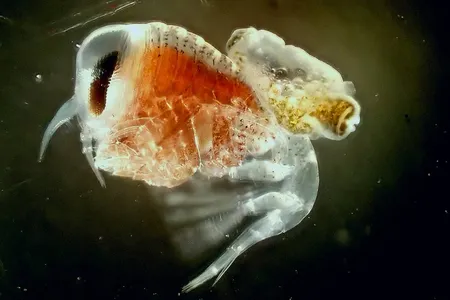
Kidnapper Crustaceans Use Tiny Mollusks as Unwitting Shields
Amphipods wear the so-called sea angels, which secrete chemicals that keep certain predators at bay, like backpacks
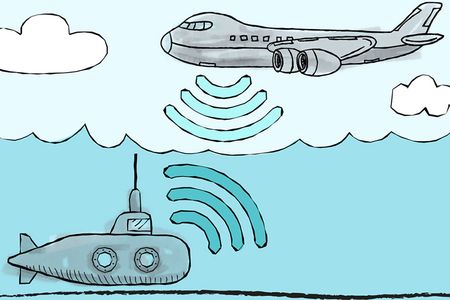
How Wireless Water-to-Air Communication Could Revolutionize Marine Research
Solving a longstanding puzzle, MIT researchers have developed a way of sending signals from underwater to airborne devices
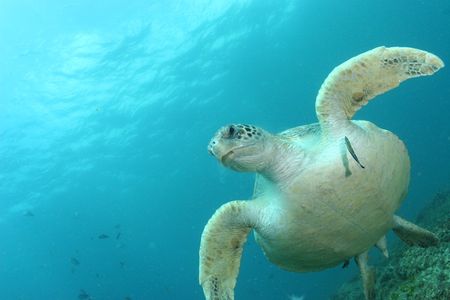
How Much Plastic Does It Take To Kill a Sea Turtle?
A new study suggests one piece of plastic has a 22 percent chance of killing a turtle that eats it, and 14 pieces will kill half
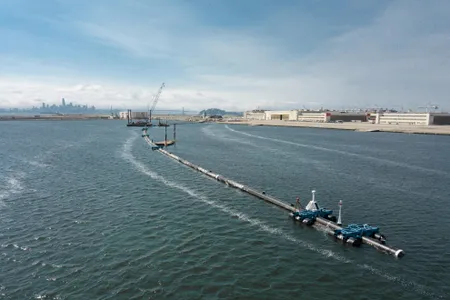
2,000-Foot-Long Plastic Catcher Released to Aid Cleanup of Great Pacific Garbage Patch
Skeptics argue the device will endanger marine wildlife, exacerbate existing pollution problems
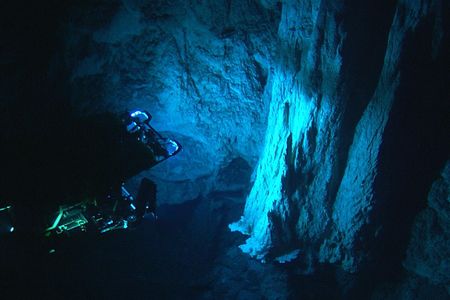
Diving Deep to Reveal the Microbial Mysteries of Lost City
An expedition sets out this week to explore a field of hydrothermal vents in the deep Atlantic, one of the most extreme ecosystems on the planet
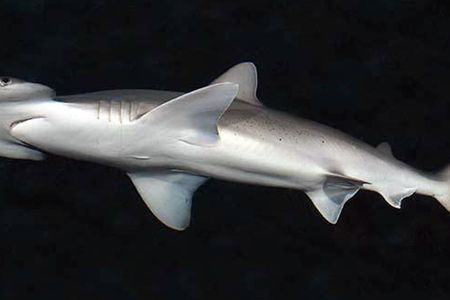
Fish Are Friends, Not (Always) Food: Meet the World’s First Omnivorous Shark Species
Bonnethead sharks enjoy a diet of up to 60 percent seagrass, as well as crab, shrimp, snails and bonyfish
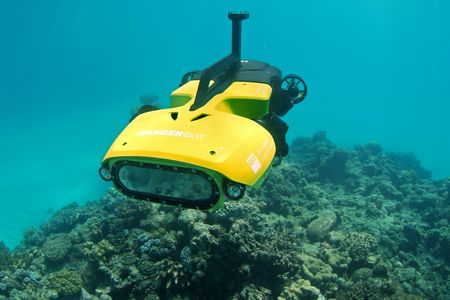
Sea-Star Murdering Robots Are Deployed in the Great Barrier Reef
The RangerBot is a new line of defense against coral-eating crown-of-thorns starfish
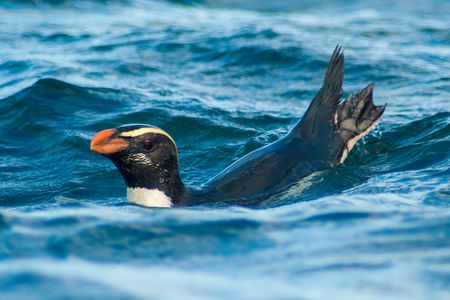
New Zealand Penguins Make an Epic, Pointless, Swim to the Southern Ocean
A new satellite study shows the penguins travel over 4,000 miles to feed, even though their home shores are teeming with food
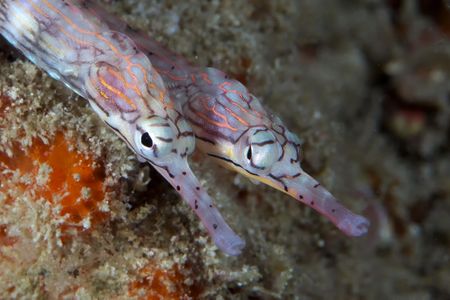
Pregnant Male Pipefish Are the Sea’s Swaggery Swingers
Male pipefish, which take on the burden of carrying eggs to term, can compromise their own pregnancies if they see a “huge, sexy female” swimming by
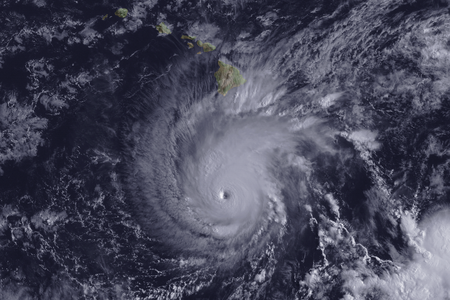
Why Hawaiian Hurricanes Are So Rare
The islands are usually protected by their remoteness and a stable high pressure system, which has gone wonky in the last year
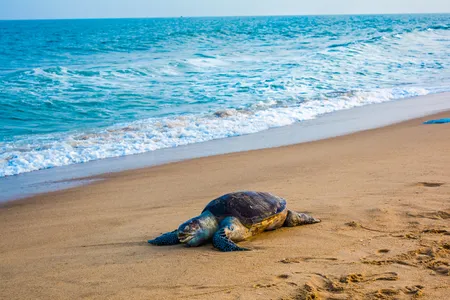
113 Sea Turtles Have Been Found Dead on a Mexico Beach
Officials are still investigating the cause of the die-off
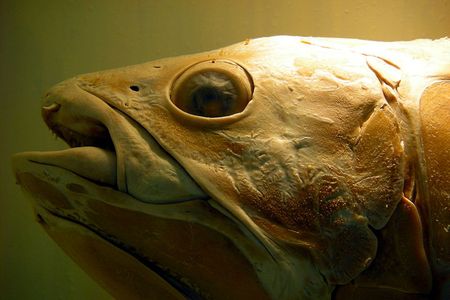
This Fish Outlived Dinosaurs But Oil and Gas Drilling May Threaten Its Survival
Oil exploration is set to begin near the habitat of the critically endangered coelacanth, a type of fish that has survived over 400 million years

What the Surging Glaciers of Svalbard Tell Us About the Future of Rising Seas
Scientists look to the Norwegian archipelago’s fast-moving glaciers to better understand how other accelerating glaciers will behave
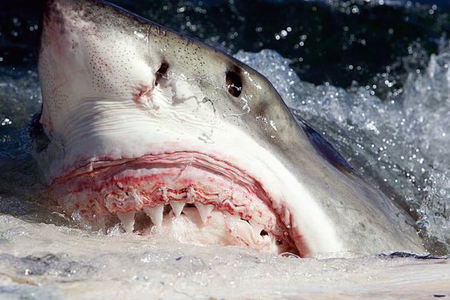
Magnets Help Keep Sharks Out of Fish Traps
Adding cheap magnets to the traps reduced shark and ray bycatch by a third and increased fish hauls by just as much, according to a new study
Page 53 of 89