
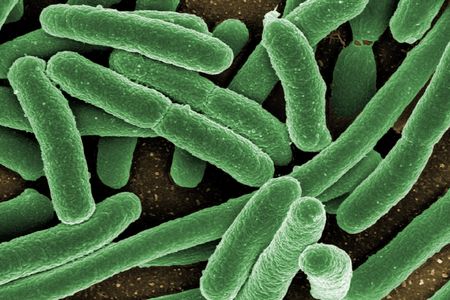
More Evidence That There’s a Connection Between a Person’s Gut Bacteria And Brain
Bacteria can affect your brain, but it’s still too early to do much with the information

Why Charging for Plastic Bags Makes People Give Them Up
It’s all about setting up psychological tripping blocks

Living in Tough Environments Makes People More Prone to Belief in God
People living in harsh natural environments are more likely to believe in a tough, moralizing god
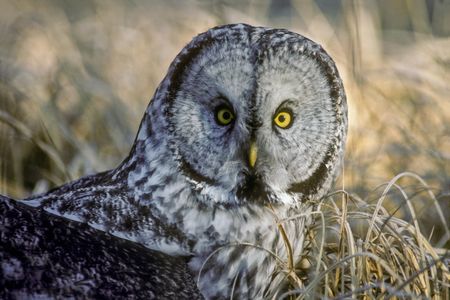
Beyond Owls And Larks: There Are Four Types of Sleepers
The two new groups include people who are rather energetic all day and others who are lethargic
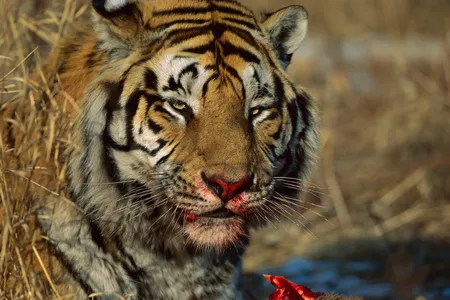
A Single Smelly Compound Sparks Carnivores’ Lust for Blood
When given scented wooden blocks soaked in this single chemical, captive carnivores go wild
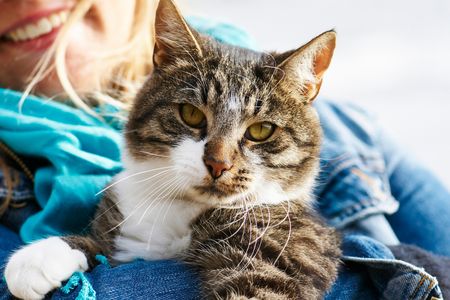
How Cats Transformed From Wild Animals to Cuddly Companions
Genetically, there’s not that much separating feline pets from jungle beasts

Can’t Clap to the Beat? You Might be Beat-Deaf
For some people, tapping their foot to the beat is a challenge at a fundamental level

What If There Are Parallel Universes Jostling Ours?
It could explain a lot of weird, quantum physics
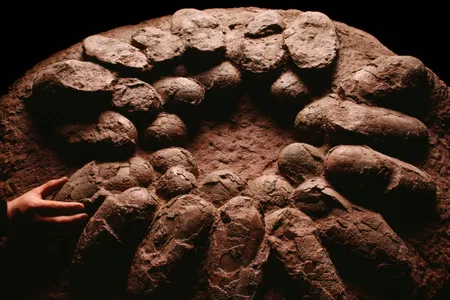
Large Dinosaurs Had a Nesting Strategy to Avoid Breaking Eggs
Oviaptorosaurs likely kept their eggs in open nests—more like bird than crocodiles—but needed to arrange their eggs carefully
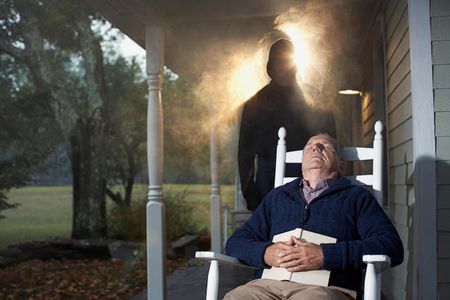
Scientists Figured Out How to Make People “Feel” an Otherworldly Presence
Feeling like a ghost or an angel is near is likely caused by a blip in how our brain processes self awareness and our sense of place in space
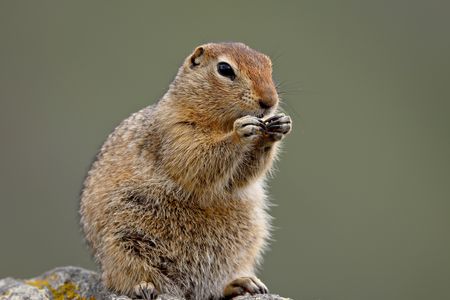
Arctic Squirrels Use Steroids to Bulk Up But Don’t Suffer the Consequences
Fat alone couldn’t get these squirrels through hibernation in burrows that get almost as chilly as -10 degrees Fahrenheit
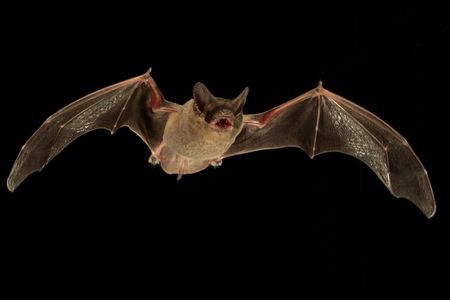
On Summer Nights, Some Bats Like to Jam
Mexican free-tailed bats “jam” each others’ echolocation calls to discombobulate competitors

Nearly 400 Journalists Have Been Murdered Over the Past Ten Years
Only ten percent of their killers are ever reprimanded
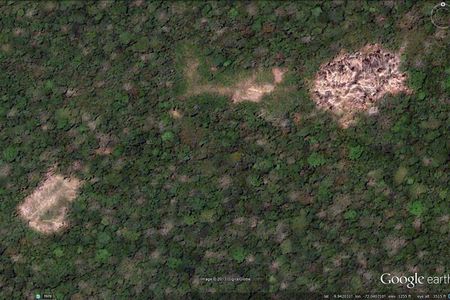
Should We Use Satellites to Keep an Eye on Remote Amazonian Tribes?
Satellite monitoring could help keep tabs on indigenous people without invasive visits to their remote homes
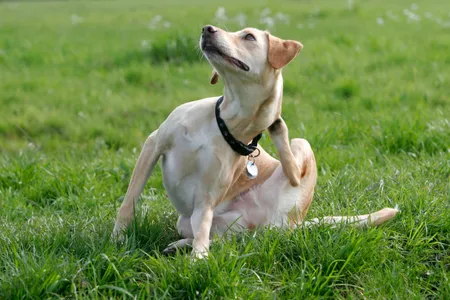
Scratching an Itch Soothes, But Then Your Brain Makes it Worse
Pain overrides itchiness temporarily but neurotransmitters released to cope with that pain reactivate the itch neurons
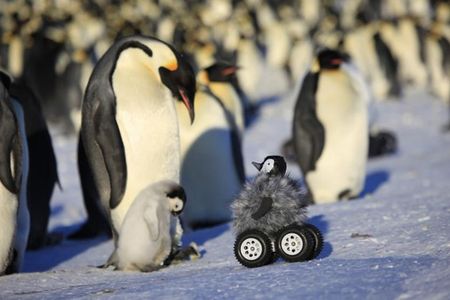
Rovers Disguised as Baby Penguins Can Quietly Infiltrate Penguin Colonies
Normally wary penguins seem unfazed when there’s a smartly dressed robot in their midst

Did the Gladiators Drink an Energy Drink Made of Ash?
Gladiators were getting extra calcium in their diet
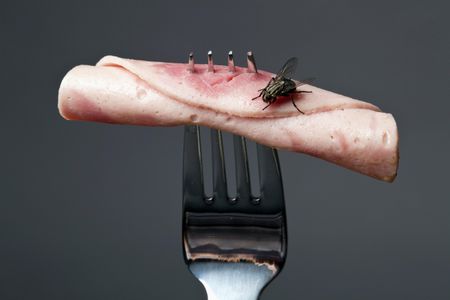
Your Reaction to “Gross” Pictures Can Betray Your Political Beliefs
Liberal and conservative brains show different activity patterns when they look at pictures of things typically thought of as disgusting

This Newly Forming Planet Will Have Three Suns
A triple-star system has two disks of gas and dust that could form planets
Page 239 of 308