
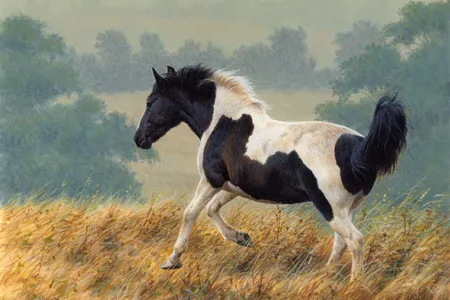
Geneticists Figured Out How Animals Get Their White Spots
The answer could help people with certain genetic conditions and diseases
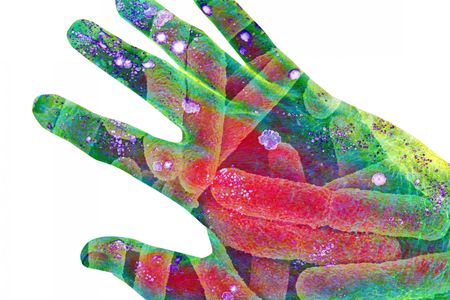
Microbe Cells Don’t Outnumber Your Own
For years people have cited the ten-to-one ratio, with microbes dominating human cells, but that number is probably wrong, according to recent research

Thank Neanderthals for Your Immune System
Genes inherited from our ancient cousins may have helped fight off disease
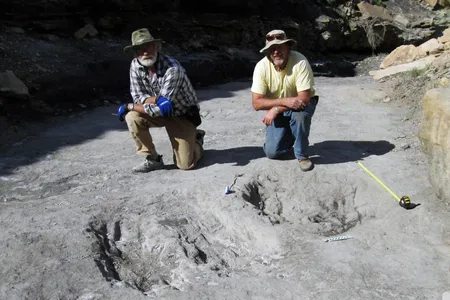
Dinosaurs May Have Dug Trenches to Woo Mates
Ancient grooves discovered in Colorado suggest dinos had bird-like mating rituals
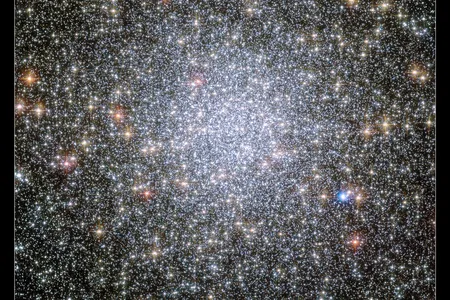
Old, Dense Star Clusters Might Be the Place to Look for Complex Alien Life
The age and density of globular star clusters could give alien life both the time and resources necessary to brew complex society

Grief May Not Make Artists Better
New research shows that bummed-out artists aren’t necessarily better ones
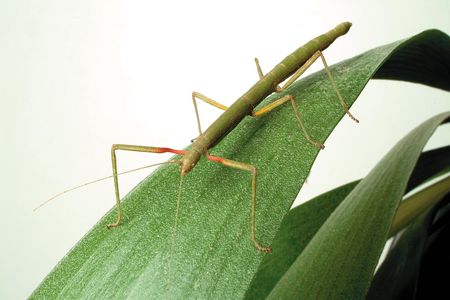
Foot Fluids Work in Surprising Ways to Help Insects Stick to Walls
Long though to boost bug stickiness, the fluid may instead help insects mold to contours and make quick exits
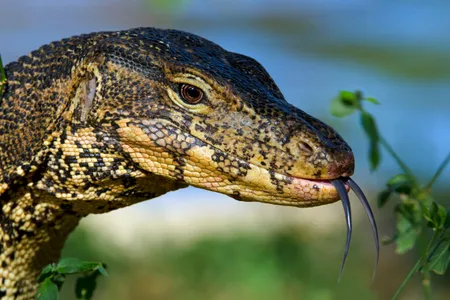
Scientists Trained Monitor Lizards Not to Chow Down on Poisonous Toads
And they did it by feeding them smaller and less-poisonous toads

This Ancient Grain May Have Helped Humans Become Farmers
Millet’s short growing season and low water needs might also benefit a modern world stressed by climate change
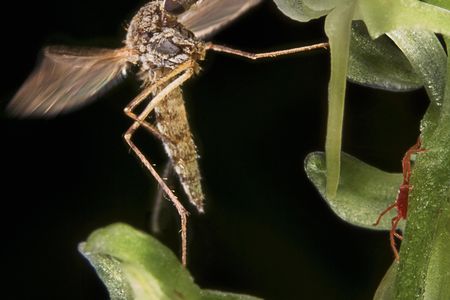
New Street Lamps Lure Mosquitoes With Fake Human Scents
Lighting the way in the fight against mosquitos
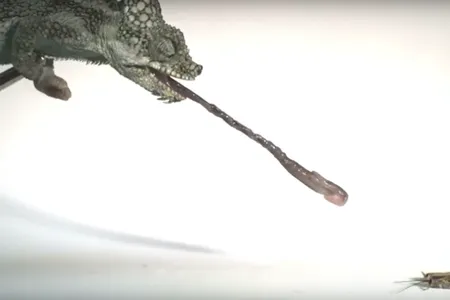
Tiny Chameleon’s Tongue Can Beat the Fastest Sports Car
The Rosette-nosed Pygmy Chameleon can launch its tongue toward prey at 8,500 feet per second
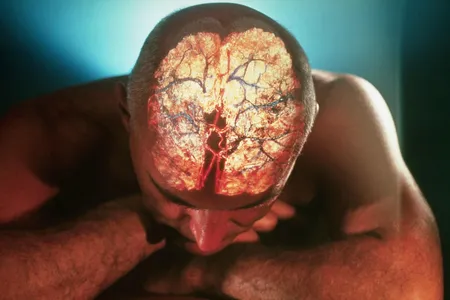
People’s Brain Chemistry May Reveal the Hour of Their Death
The tiny biological clocks ticking away inside the body stop when life ends, leaving a timestamp of sorts

This Pen Can Draw Electrical Circuits
A silver salt based ink lets users draw any circuit they can dream
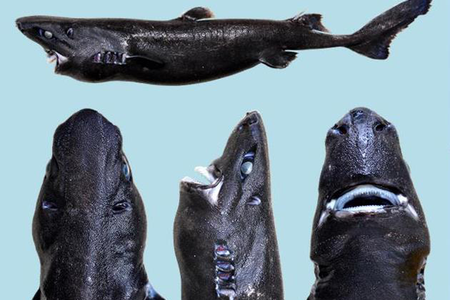
A New Species of Shark Gives a Hat Tip to Both Jaws and Ninjas
Some lucky kids got to name this gnarly-looking fish
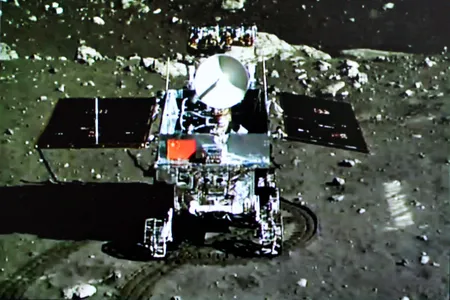
China’s Lunar Rover Discovered a New Kind of Moon Rock
The Yutu Rover has discovered a type of basalt unlike anything else ever found on the moon

From treasures buried in glaciers to the racial history of a vanished city in Oregon, here are the most-read stories on Smithsonian.com this year
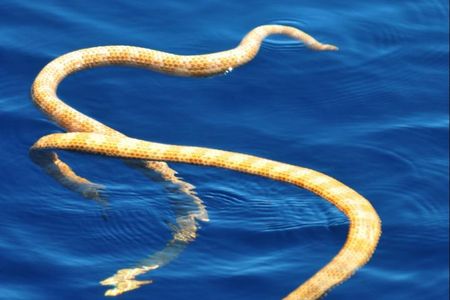
They’re Back: Supposedly Extinct Sea Snakes Have Been Found in Australia
Nearly 15 years later and about 1,000 miles away from the last sighting, the snakes could be making a comeback

Not All Rainbows Have Every Color
Depending on the angle of the sun, ROY G. BIV don’t all necessarily appear
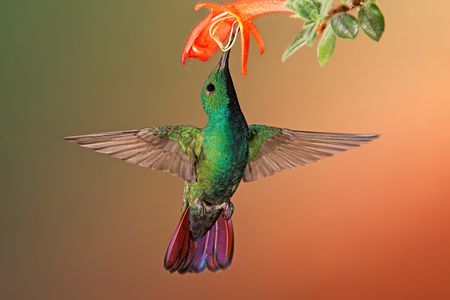
How Do Hardworking Hummingbirds Keep Cool?
Special “windows” in the feathers covering their tiny bodies prevent overheating while hovering and flying
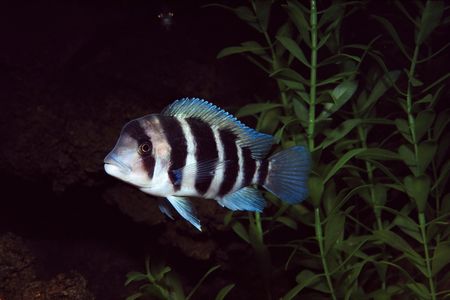
Darwin’s “Puddle” Could Show How New Species Emerge in Close Quarters
A genetic study of cichlid fish in a small crater lake seems to support a debated evolutionary concept
Page 204 of 308