
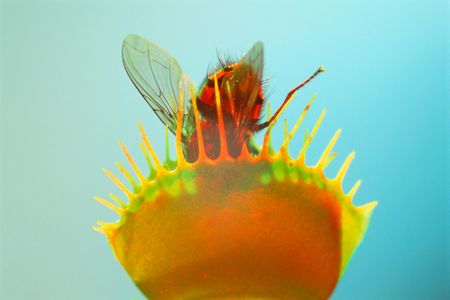
Venus Flytraps Know How to Count
Figuring out when to chomp is as easy as one, two, three, four, five
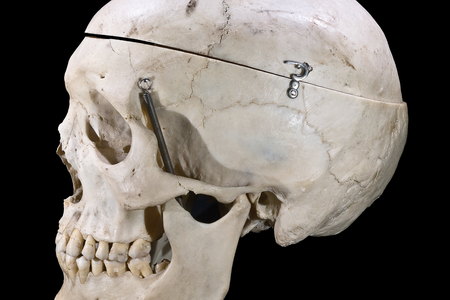
A Chin-Stroking Mystery: Why Are Humans the Only Animals With Chins?
It’s an evolutionary conundrum, and scientists are still divided over the answer
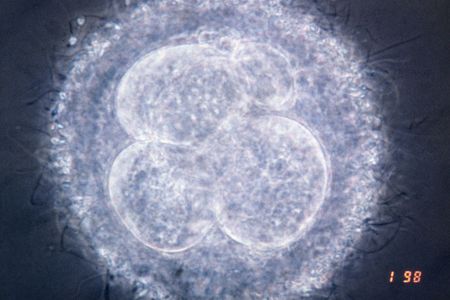
British Scientists Get Permission to Genetically Modify Human Embryos for Research
The scientists plan to use genetic engineering techniques to study infertility

The Moon’s Tidal Forces May Affect How Much It Rains
The higher the moon, the lower the chance of rain

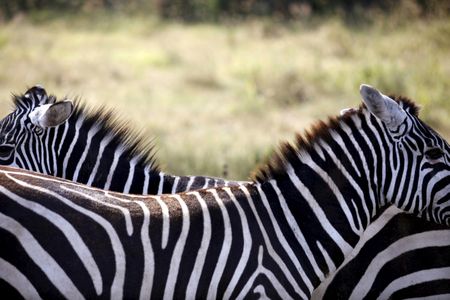
Zebra Stripes Might Not Be Camouflage
The animals’ distinctive appearance is still a beautiful mystery

Archaeologists Finally Know What Happened at This Brutal Reform School
The Florida School for Boys did anything but rehabilitate its students

There Are Now More Americans Over Age 100 and They’re Living Longer Than Ever
Scientists are still trying to understand the longevity secrets of those most advanced in age

Are We Living in the Plastic Age?
Scientists argue that this material may best define our current period within the Anthropocene

Evidence Stacks Up for a Planet Beyond Pluto
A new paper provides the strongest evidence yet for a real Planet X

Fairy Tales Could Be Older Than You Ever Imagined
Jack may have been climbing that beanstalk for more than 5,000 years

Missouri Mathematicians Discover New Prime Number
At more than 22 million digits, it’s the longest prime yet

Overfishing Has Been Even Worse Than We Thought
Official counts previously overlooked fish as bycatch, small-scale fishing and illegal fishing

1,500-Year-Old Prosthetic Foot Discovered in Austria
The skeleton of a middle-aged man may have been missing a lower limb but in its place researchers found a wooden ‘foot’
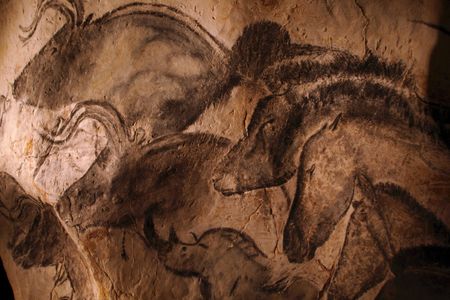
Chauvet Cave Paintings Could Depict a 37,000-Year-Old Volcanic Eruption
Mysterious paintings in the “Cave of Forgotten Dreams” led researchers to new evidence of ancient volcanic activity

Signs of Food Allergies Might Be in Newborns’ Blood
Overactive immune cells could prime the immune system to attack normally harmless molecules found in food

The Brightest Supernova Ever Observed Tests the Limits of Physics
This explosion blazes about 570 billion times brighter than our Sun, according to researchers
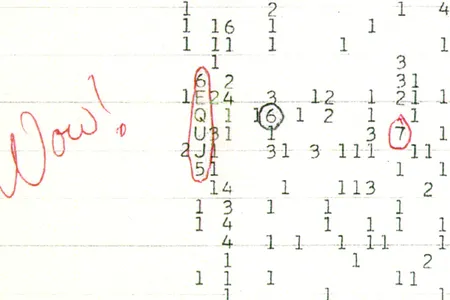
Was the “Wow!” Signal From Aliens or a Comet Flyby?
The 1977 blast from space is often cited as our best evidence of alien contact, but a news study suggests it may have just been comets

Archaeologists Find World’s Oldest Tea in the Tomb of a Han Dynasty Emperor
No word on how it tastes, though it probably made a good cup 2,150 years ago
Incandescent Light Bulbs May Have a Bright Future After All
Nanotechnology could turn the inefficient bulbs’ weakness into a strength
Page 203 of 308