
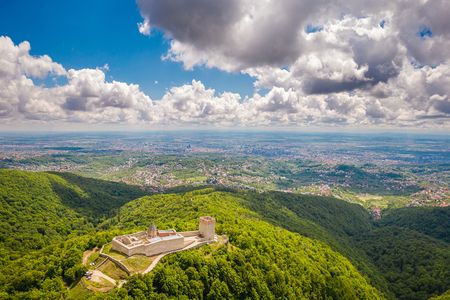
Zagreb’s Backyard Wilderness Is Calling—Here’s How to Experience It
Just outside Croatia’s capital, Medvednica Nature Park invites travelers into a year-round world of alpine trails, rich biodiversity, hearty mountain fare, and deep-rooted history

Why Is Tetepare the South Pacific’s Largest Uninhabited Island?
Descendants of the island’s former inhabitants struggle to balance environmental conservation with sustaining their community’s livelihoods
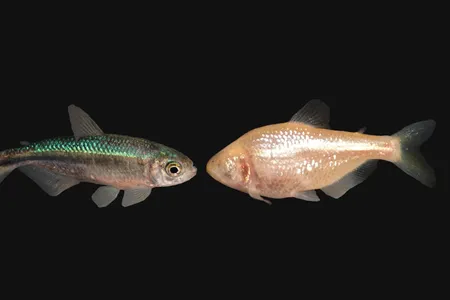
These Cavefish Lost Their Eyes, but They Gained Some Pretty Nifty Traits
Mexican tetras that got swept into pitch-black caverns had no use for the energetically costly organs
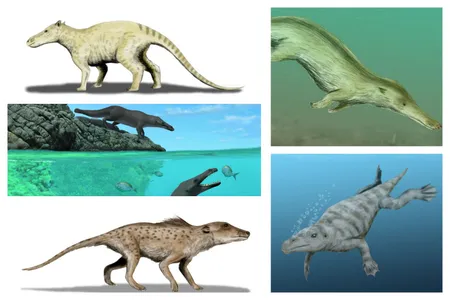
Before Whales Took to the Sea, These Ten Species Walked on Land
The creatures, which ranged in size from that of a fox to more than 50 feet long, divided their time between the coast and the water
We’ve been listening to the great outdoors from the comfort of our homes since the invention of the portable tape recorder. Can nature sounds drown out the cacophony of modern life?
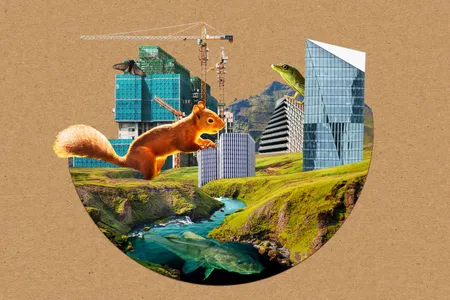
When people build cities and introduce invasive creatures, resident critter populations sometimes adapt
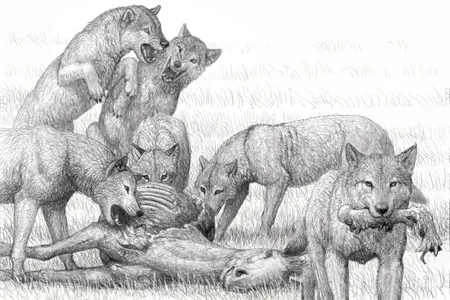
What Happened to the Bone-Crushing Dogs That Once Hunted Across North America?
Before going extinct roughly two million years ago, canids known as borophagines took down and consumed much larger prey
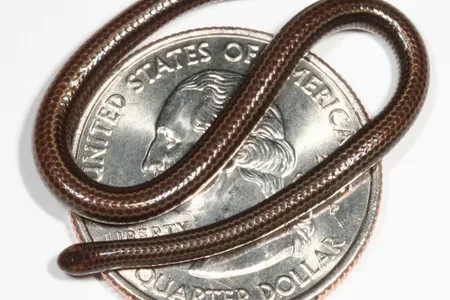
Scientists Feared the World’s Smallest Snake Had Gone Extinct. They Just Found It Again
When fully grown, the Barbados threadsnake is only three to four inches long—shorter than many earthworms
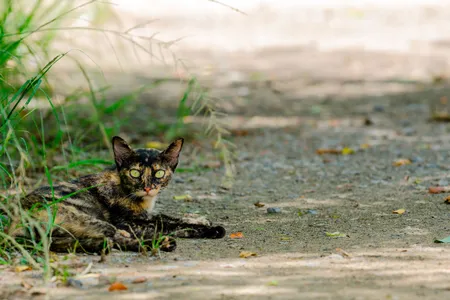
Why Fire Island Has Seen an Explosion of Feral Cats
In New York’s only federal wilderness area, the loss of a key predator has led to the rise of a new one—with dire consequences for the island’s native birds
Smithsonian Photo Contest Galleries
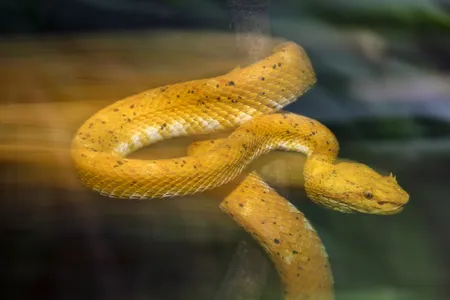
See 15 Photos of Sensational, Slithering Snakes
These reptiles often get a bad rap, but there are plenty of reasons to celebrate snakes
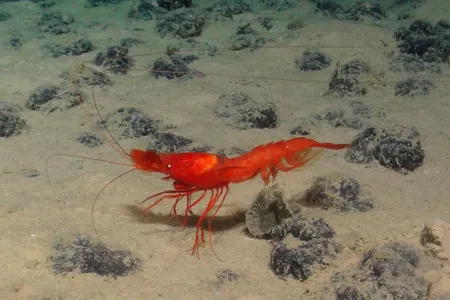
Gathering minerals such as nickel, cobalt, manganese and lithium from the seabed could affect everything from sponges to whales. The long-term effects of these extractions remain uncertain
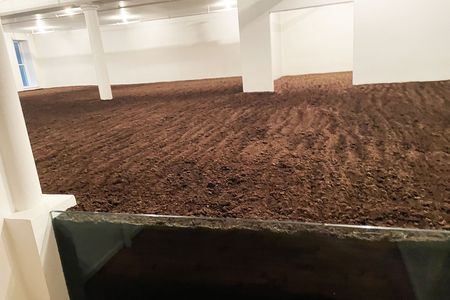
New York City Loft Filled With 280,000 Pounds of Dirt Lives on After Death of Beloved Caretaker
Bill Dilworth, who died at age 70, had carefully maintained the curious art installation—known as “The New York City Earth Room”—and charmed visitors since 1989

The Largest Section of the Beloved Sycamore Gap Tree Is Going on Display in England
The iconic tree was illegally chopped down in September 2023, but its memory will live on in the form of a new art installation that invites visitors to touch—and even embrace—a piece of its trunk
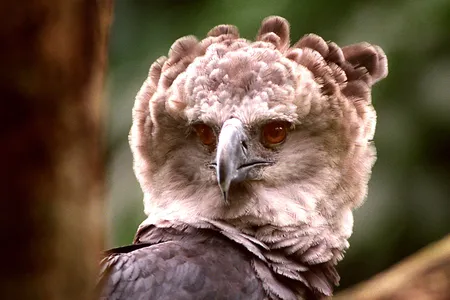
Why Did a Large Harpy Eagle Attack an Adult Woman?
The incident, which took place in the forest in French Guiana, was an extremely rare occurrence
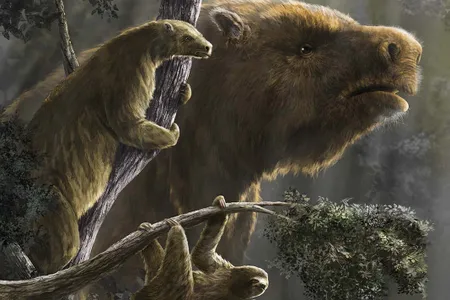
If large creatures like elephants, giraffes and bison are allowed to thrive, they could alter habitats that allow for the rise of other giants
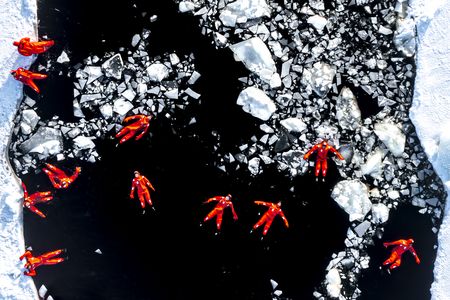
See Ten Stunning Images From the International Aerial Photographer of the Year Awards
Breathtaking views of glaciers, volcanoes and animals were celebrated in the competition’s inaugural year
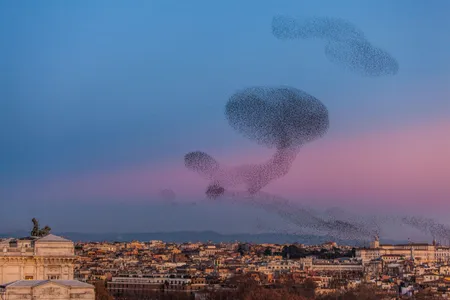
A Closer Look at the Kestrels, Hedgehogs and Other Wild Animals That Inhabit Rome
From antiquity to modern times, the city has been rife with creatures that creep, slither, scurry and nest among its pillars and palaces
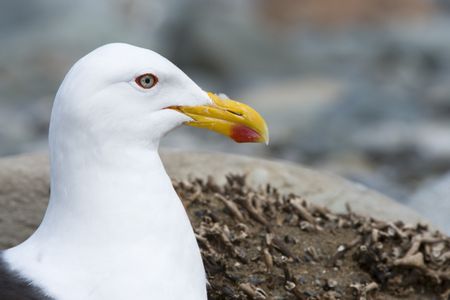
The vagrant kelp gull mated with a local herring gull, though the chick did not survive. Experts say it’s a “complete mystery” how the bird came to nest so far north in the first place
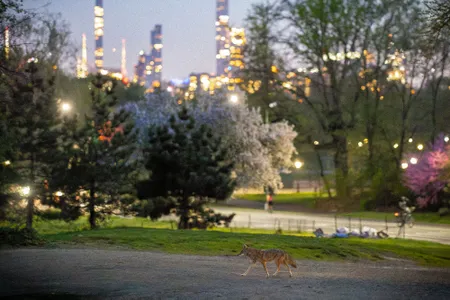
In a Milestone for Manhattan, a Pair of Coyotes Has Made Central Park Their Home
For six years, two photographers have carefully followed the canines and documented their secret lives
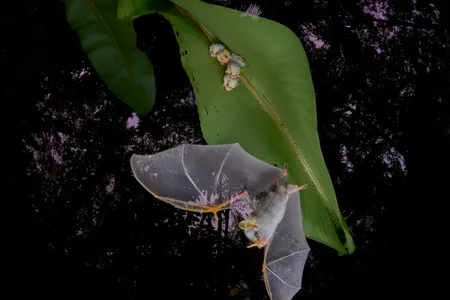
Ten Stunning Nature Photos From the BigPicture 2025
From the beautiful to the bizarre, this annual photographic showcase shines a light on some of our planet’s most breathtaking species and places
Page 8 of 56