Subscribe to Smithsonian magazine and get a FREE tote.

Endangered Species

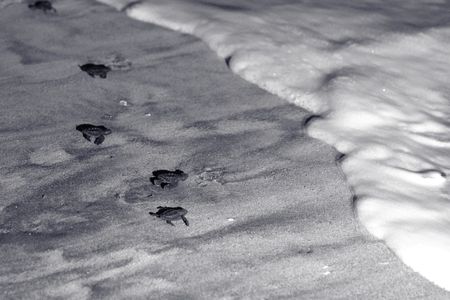
The hatchlings were released before sunrise so they could navigate to the ocean using moonlight.

These Adorable Hatchlings Are From the U.S. West Coast’s First Known Natural Sea Turtle Nests. Now, They’ve Returned to the Wild

Two nests were spotted in September, and authorities moved the eggs to an aquarium to protect them from an incoming tropical storm. Over the weekend, dozens of hatchlings emerged and have now been released on the same beaches where they were found
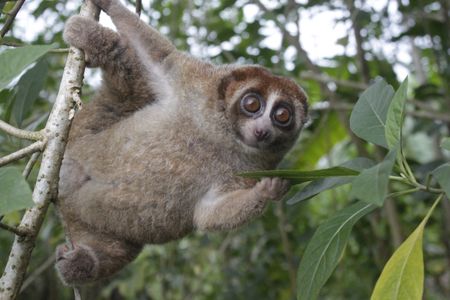
Dozens of Bangka slow lorises have been rescued and re-released on Bangka Island in recent years.

Scientists Feared This Cute but Venomous Primate Had Gone Extinct Nearly 100 Years Ago. It Was Hiding in Plain Sight All Along

The Bangka slow loris is still close to extinction, but new research suggests it continues to survive on a tropical Indonesian island. Conservationists are calling for stronger habitat protections and a breeding program, among other measures
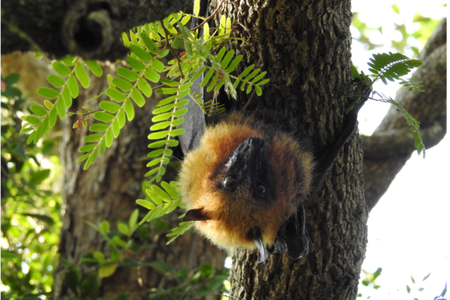
A flying fox in Madagascar

Madagascar’s Giant Bats Seem to Be Shrinking. After Measuring 121 Specimens, Scientists Suggest Hunting by Humans Is to Blame

In a new study, researchers looked at museum specimens of the island’s flying foxes, spanning 150 years of history. They found a significant decline in size—right when commercial hunting ramped up
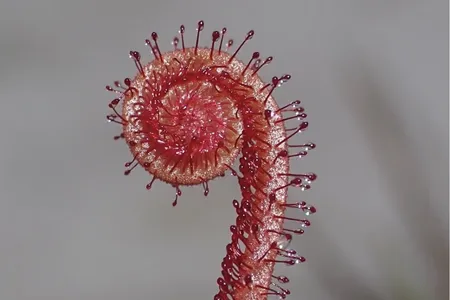
The Florida threadleaf sundew is endemic to just two counties in the state’s Panhandle, where it relies on the sandy margins of sinkhole lakes.

The World’s Newest Carnivorous Plant Is a Red Sundew That ‘Death Hugs’ Its Insect Prey. Its Survival Depends on a Rare and Disappearing Florida Habitat

Confined to hidden sinkhole lakes in the Panhandle, the Florida threadleaf sundew is both a discovery and a warning bell for a vanishing ecosystem that’s long been ignored
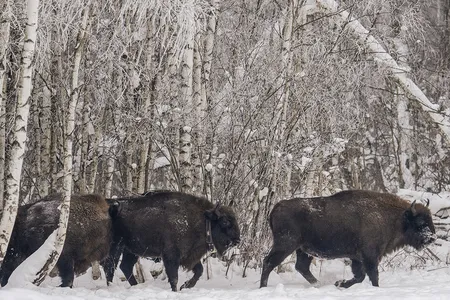
Bison gather for a recent feeding in the forest.

Bison Used to Roam Eastern Europe Before They Neared Extinction. Now Researchers in Poland Want to Create a Suitable Home Where They Can Thrive

Once nearly extinct, wisent adapted to life in the Bialowieza Forest. Human intervention kept them from disappearing, and now humans are trying to return them to their true habitat
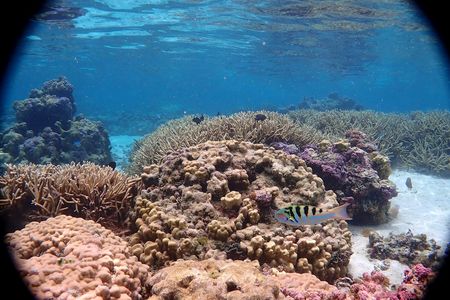
Coral reefs support roughly a quarter of all marine species.

Most of the World’s Shallow-Water Coral Reefs Have Been Deemed Critically Endangered, Meaning They Could Collapse Within 50 Years

The first-ever global assessment of these vibrant underwater ecosystems paints a grim picture: Climate change projections put 96 percent of shallow-water reefs at the highest level of threat
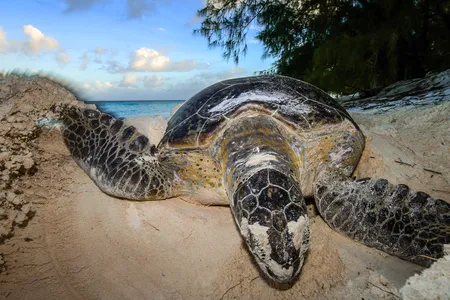
A female green turtle digs through sand to create a nest on Aldabra atoll.

Green Sea Turtles Are Making a Remarkable Comeback on the Remote Aldabra Atoll and Around the World. But Their Recovery Is Far From Complete

One year after the species was reclassified from “endangered” to “least concern,” green turtles in the western Indian Ocean exemplify that return—and the subtleties a global designation can miss
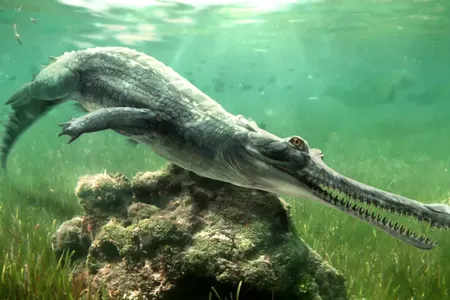
Artist's impression of the new crocodilian species

A Century Ago, an Extinct Crocodilian’s Skull Was Found in the Rocks That Built the Sphinx. Turns Out, It Belonged to a New Species

The specimen was long mislabeled, according to a new study. Paleontologists identified it as a previously undescribed genus and species of gavial—a cousin of crocodiles and alligators—which they named after the ancient Egyptian god Horus
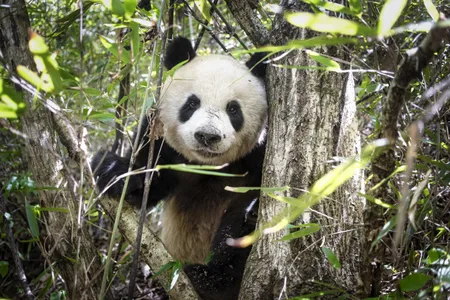
A giant panda peers through the trees and gazes at the photographer at a nature reserve in China’s Qinling mountain range.

These 15 Adorable Photos of Pandas Will Make You Want to Visit the Zoo Immediately

Members of the fluffy and adorable but vulnerable species are often cared for in zoos and breeding centers around the world, and these snapshots may make you jealous of the caretakers’ jobs
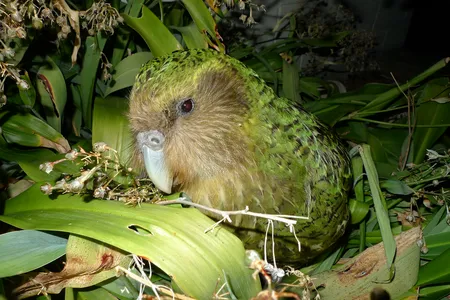
Kakapo are critically endangered, but they're starting to make a comeback.

New Zealand Welcomes a Record 90 Kakapo Chicks, Helping the World’s Chunkiest Parrot Species Rebound From the Brink of Extinction

Annual chick counts aren’t confirmed until the youngest hatchling reaches 150 days old, a benchmark for independence. The population now stands at 325 birds, up from the 51 individuals that remained in 1995

A nabarlek on Augustus Island, an uninhabited island in Western Australia. This is not one of the newly discovered wallabies.

Australia’s Second-Smallest Rock-Wallaby Reappears in a Region Where It Had Not Been Seen for 50 Years

The endangered nabarlek is not easy to find and difficult to distinguish from similar species. But a research team made new detections of the animals that offer “good news for their long-term survival”

Pygmy raccoons live only on Mexico's Cozumel Island.

These Adorable, Critically Endangered Pygmy Raccoons in Cozumel Are Teaching One Another to Turn Trash Into Toy Balls

The observations offer rare evidence of a skill being passed among raccoons. But the work also highlights the effects of human pollution at the popular tourist destination
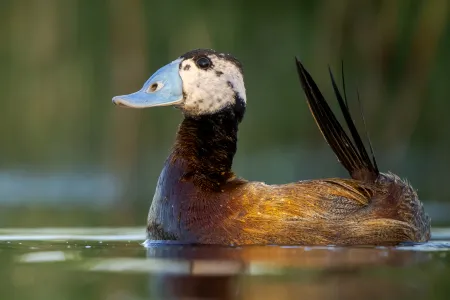
The white-headed duck is “one of the true eccentrics of the waterfowl world because almost everything about it seems unusual,” says waterfowl expert Nicky Petkov.

Spain’s White-Headed Ducks Have a Signature Color Right in the Name. And That Isn’t Even Their Most Remarkable Hue

The first thing you’re likely to notice is the blue bill. But beyond appearances, the duck has an exciting story to tell about conservation and recovery
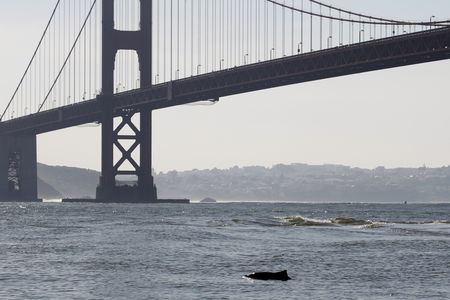
A harbor porpoise surfaces near the Golden Gate Bridge.

Marine Biologists Solved a Wildlife Mystery From the Walkway of the Golden Gate Bridge: How the Harbor Porpoise Mates

The dolphin-like marine mammals returned to San Francisco Bay in 2008 after a decades-long absence from the area. Scientists took the rare opportunity to closely observe their behavior, and what they uncovered might help at-risk porpoise populations
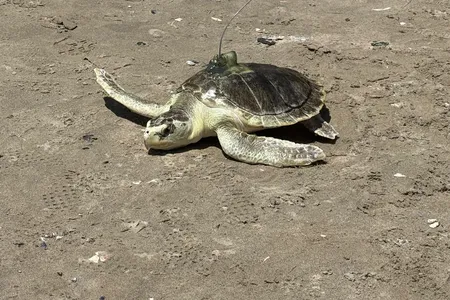
Experts attached a satellite transmitter to Pancake's shell, which will track its location for up to 90 days.

Good News

An Endangered Kemp’s Ridley Sea Turtle Named Pancake Makes a Triumphant Return to the Ocean After Months of Rehabilitation

The cold-stunned turtle was rescued last fall on Cape Cod and has since made a full recovery. The reptile, whose sex remains unknown, is estimated to be between 2 and 5 years old and weighed 11 pounds at the time of release

Finland's Lake Saimaa is 111 miles long, 87 miles wide, dotted by about 14,000 islands, pierced by dozens of narrow straits, and surrounded by sheltered bays perfect for ringed seal breeding.

Before Cultural and Natural Wonders Earn UNESCO World Heritage Status, They Are Put on a ‘Tentative’ List. Here Are Five Nominees Worth Visiting Now

Featuring more than 1,800 sites from 181 countries and territories, UNESCO’s tentative list is a treasure trove of lesser-known marvels

Koala conservation is a complex balancing act in Australia. In some regions, populations are in steep decline, but in others, the animals are overabundant.

Koalas Are at Risk of Extinction in Some Parts of Australia. Can Freezing Their Sperm and Eggs Help Save the Iconic Marsupials?

Scientists are preserving the animals’ reproductive cells in liquid nitrogen in a bid to boost genetic diversity in future populations

A North Atlantic right whale swims with dolphins around its head in the Stellwagen Bank National Marine Sanctuary east of Boston.

Speed Limits for Ships Protect Endangered Right Whales From Vessel Strikes. Could the Animals Survive Without Them?

Since 2008, rules requiring ships to slow down to avoid collisions with North Atlantic right whales have reduced fatalities of the critically endangered animals. Now, NOAA is calling the regulations into question, raising concerns for the mammals’ future

How an ebonyshell mussel becomes a button

How One German Button Maker Searched the Rivers of the American Midwest for the Shells That Could Make Him a Fortune

John Boepple settled in Muscatine, Iowa, where he produced pearl buttons made from freshwater mussel shells. His innovations brought economic prosperity to the town—and disaster to the local mussel populations

The new species is covered in spots and dashes.

Scientists Discover a New Species of ‘Walking’ Shark in Papua New Guinea. They Suspect It’s at Risk of Going Extinct

The creature belongs to a unique group of sharks whose members can use their strong pectoral fins like legs to get around

Page 1 of 34