
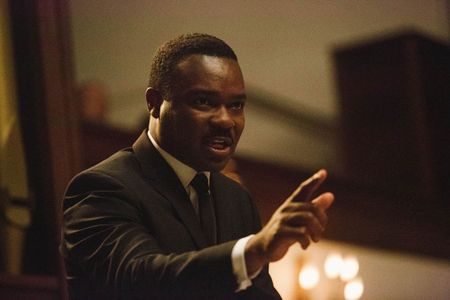
The Director of the African American History Museum Weighs in on ‘Selma’
A film with black history at its core and created by African Americans opens up a “national conversation”
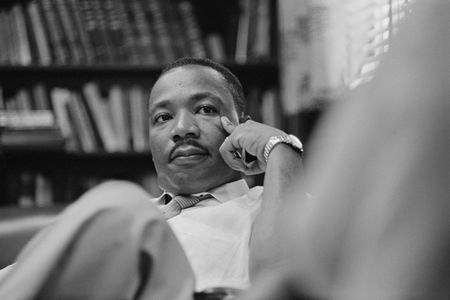
Read Through Early Drafts of Dr. Martin Luther King Jr.’s Speeches
One website gives you a peek into the mind of one of America’s most powerful orators
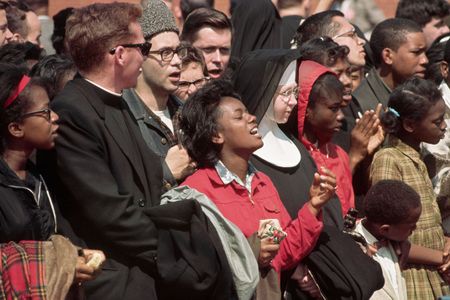
Listen to the Freedom Songs Recorded During the March From Selma to Montgomery
When MLK called for people to come to Selma, Detroit’s Carl Benkert arrived with his tape recorder, making the indelible album “Freedom Songs”
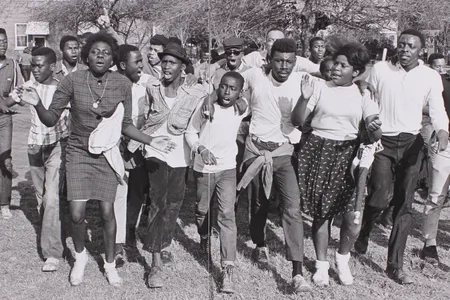
Traveling Along the U.S. Civil Rights Trail
These Rare Photos of the Selma March Place You in the Thick of History
James Barker, a photographer from Alaska, shares his memories of documenting the famed event
Big News Stories of 2014 That Aren’t Going Away
We just have so much to look forward to
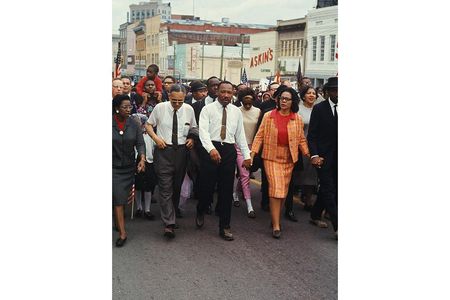
The Radical Paradox of Martin Luther King’s Devotion to Nonviolence
Biographer Taylor Branch makes a timely argument about civil right leader’s true legacy
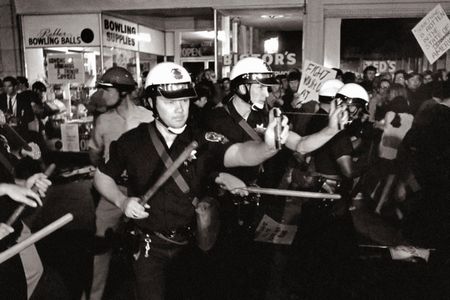
The Forgotten History of Mace, Designed by a 29-Year-Old and Reinvented as a Police Weapon
When riots shook America, mace became a tool of crowd control instead of private protection
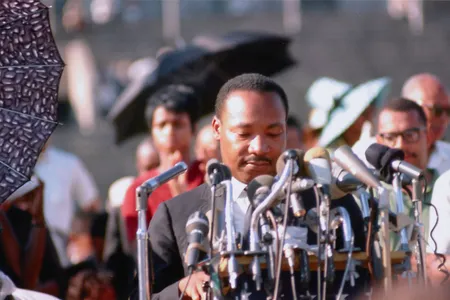
A Collection of Rare Color Photographs Depicts MLK Leading the Chicago Freedom Movement
The Smithsonian has acquired some of the only known images of Martin Luther King Jr. at the momentous protest
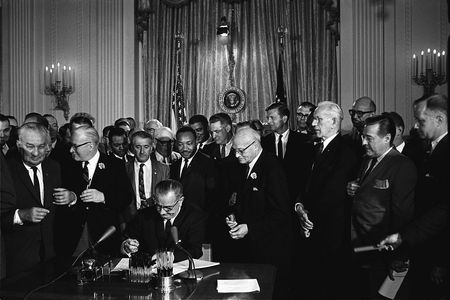
A Deeper Look at the Politicians Who Passed the Civil Rights Act of 1964
Fifty years later, a dive into what it took to make the historic legislation law
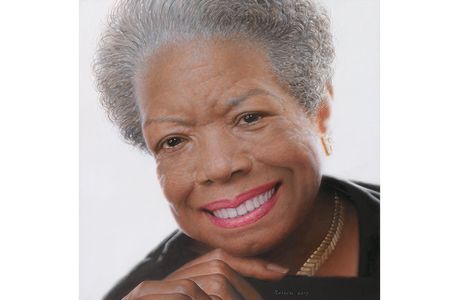
Maya Angelou Was One of the Most Influential Voices of Our Time
Maya Angelou was poet, novelist, educator, producer, actress, filmmaker, dancer and civil rights activist
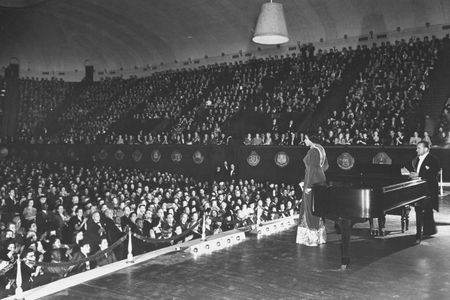
A benefit concert presaged the opera singer’s eventual rapprochement with the Daughters of the American Revolution
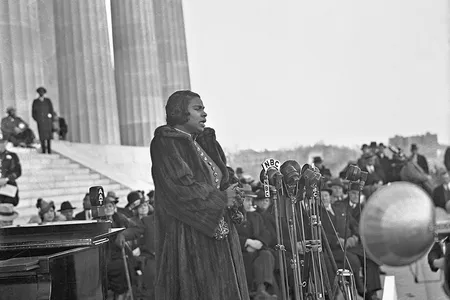
With no color photos of her famous performance in existence, the brilliance of Marian Anderson’s bright orange outfit has been lost, until now
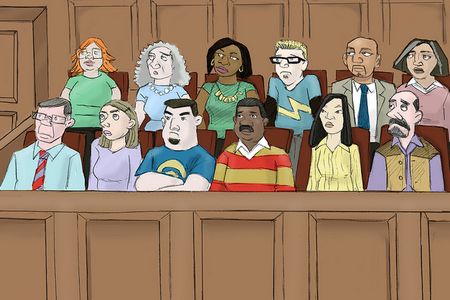
Jurors Cannot Be Dismissed From a Case Based on Sexual Orientation
The price for being treated like an equal human? Also having to serve jury duty
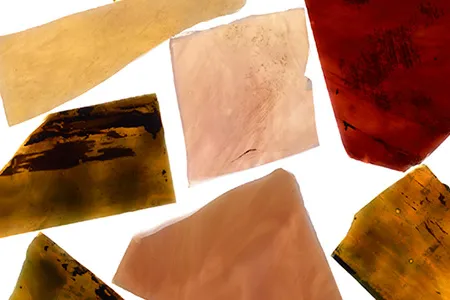
The Stark Reminders of the Birmingham Church Bombing
Upon the 60th anniversary of the tragic attack, these stained glass shards recall the day that saw four girls killed in Alabama
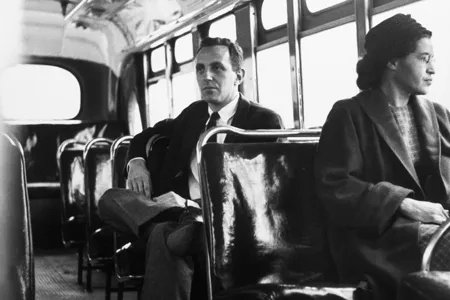
Document Deep Dive: Rosa Parks’ Arrest Records
Read between the lines of the police report drawn up when the seamstress refused to give up her seat in 1955
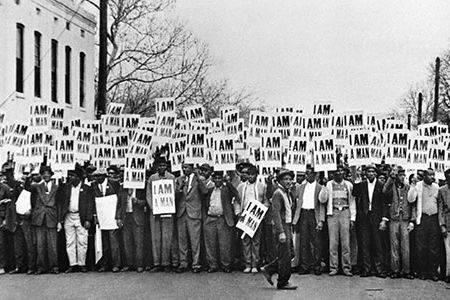
The Power of Imagery in Advancing Civil Rights
“Whether it was TV or magazines, the world got changed one image at a time,” says Maurice Berger, curator of a new exhibit at American History
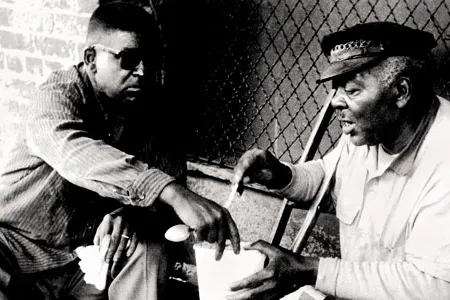
John Howard Griffin gave readers an unflinching view of the Jim Crow South. How has his book held up?
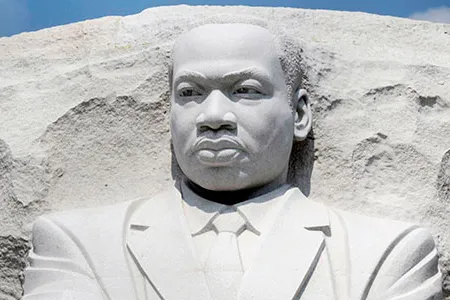
Building the Martin Luther King, Jr. National Memorial
For those working behind the scenes on the King memorial, its meaning runs deep
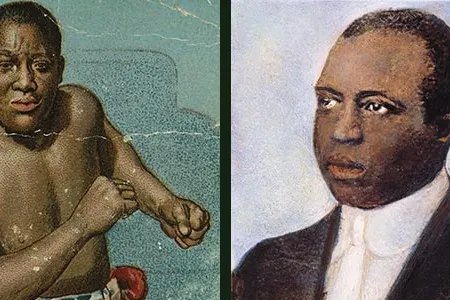
A Year of Hope for Joplin and Johnson
In 1910, the boxer Jack Johnson and the musician Scott Joplin embodied a new sense of possibility for African-Americans
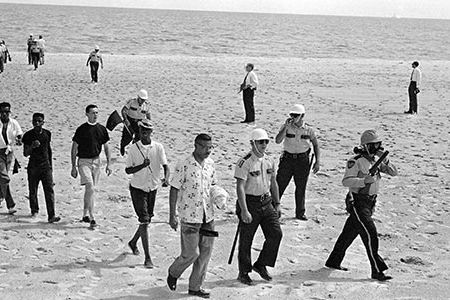
A Civil Rights Watershed in Biloxi, Mississippi
Frustrated by the segregated shoreline, black residents stormed the beaches and survived brutal attacks on “Bloody Sunday”
Page 21 of 22