
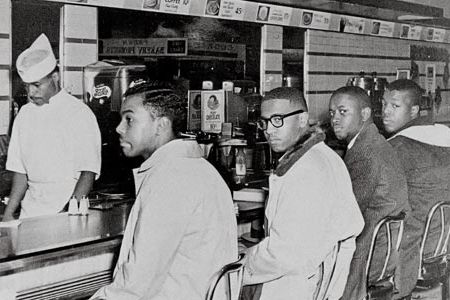
Courage at the Greensboro Lunch Counter
On February 1, four college students sat down to request lunch service at a North Carolina Woolworth’s and ignited a struggle
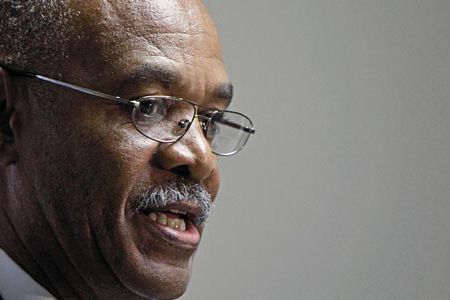
Emmett Till’s Casket Goes to the Smithsonian
Simeon Wright recalls the events surrounding his cousin’s murder and the importance of having the casket on public display
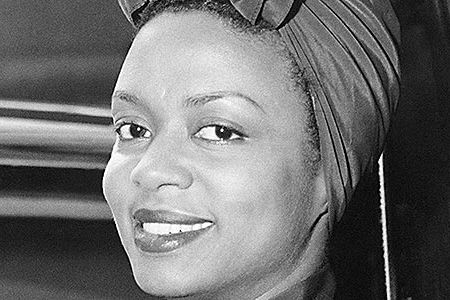
Hazel Scott’s Lifetime of High Notes
She began her career as a musical prodigy and ended up breaking down racial barriers in the recording and film industries
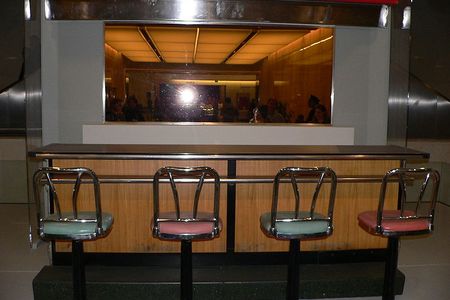
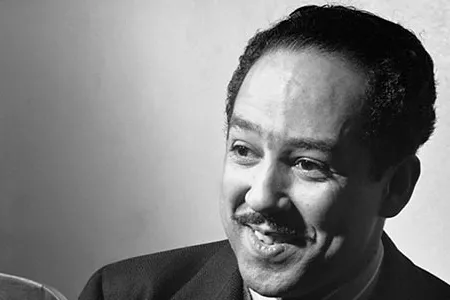
A long-forgotten poem about the African-American experience is given new life in a multimedia performance
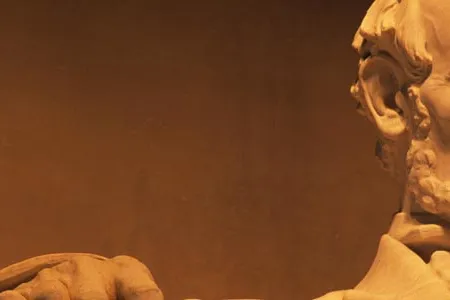
The Assassination of Abraham Lincoln
Great Emancipator or unreconstructed racist? Each generation evokes a different Lincoln. But who was our sixteenth president?
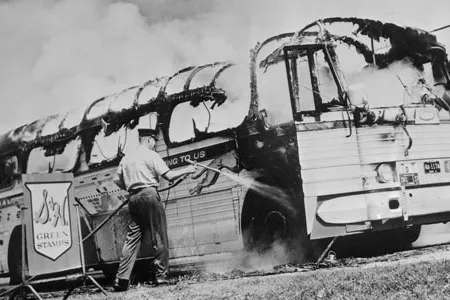
The Freedom Riders, Then and Now
Fighting racial segregation in the South, these activists were beaten and arrested. Where are they now, nearly fifty years later?
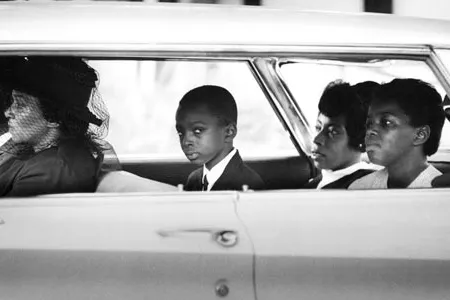
The Lasting Impact of a Civil Rights Icon’s Murder
One of three civil rights workers murdered in Mississippi in 1964 was James Chaney. His younger brother would never be the same
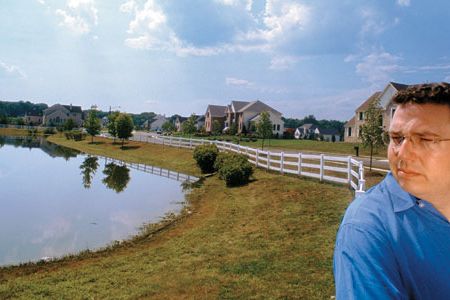
In a painstaking study of 1960s Atlanta, Kevin Kruse takes suburban whites to task
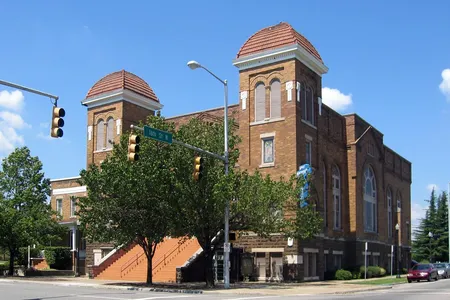
A church is bombed. A daughter is missing. A rediscovered photograph recalls one of the most heart-wrenching episodes of the civil rights era
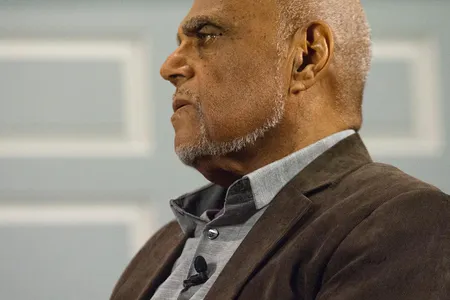
35 Who Made a Difference: Robert Moses
A former civil rights activist revolutionizes the teaching of mathematics
Civil rights chronicler Ernest Withers also photographed the glories of black baseball, including pioneering big leaguer Jackie Robinson
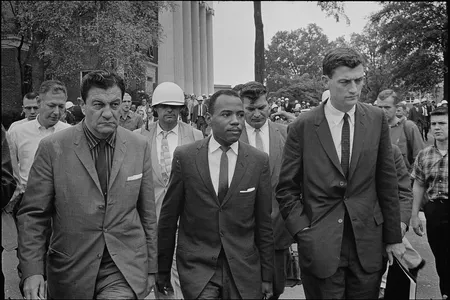
The shooting of protester James Meredith 38 years ago, searingly documented by a rookie photographer, galvanized the civil rights movement
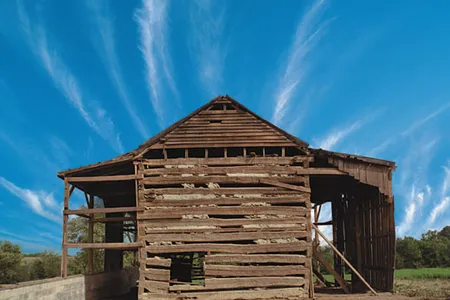
A new museum celebrates the Underground Railroad, the secret network of people who bravely led slaves to liberty before the Civil War
During a civil rights march in 1965, photographer Bruce Davidson left the highway to focus on a single Alabama sharecropper and her nine children
As America’s first black military pilots, Tuskegee airmen faced a battle against racism
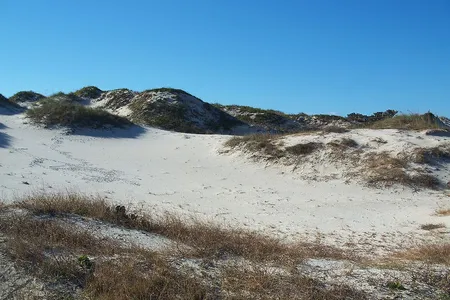
MaVynee Betsch wants to memorialize a haven for African-Americans in the time of Jim Crow
Page 22 of 22