
Wild Things: Life as We Know It
Flight of the hummingbird, termite cloning and the rise of the octopus


Richard Conniff’s Wildlife Writing
International journalist Richard Conniff has reported on animals that fly, swim, crawl and leap in his 40 years of writing
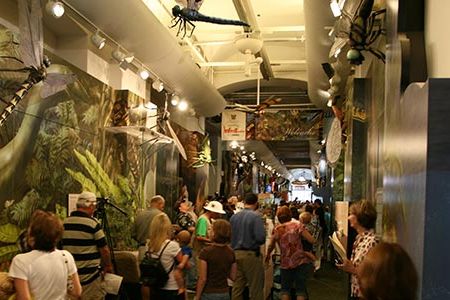
Going Buggy at the New Audubon Museum
Crickets, spiders, ants and many other insects thrive in historic New Orleans, where kids and adults learn about creepy crawlers
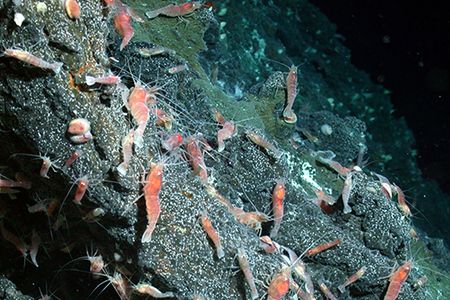

Voracious, venomous lionfish are the first exotic species to invade coral reefs. Now divers, fishermen—and cooks—are fighting back
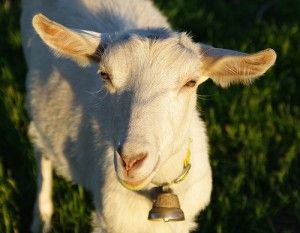
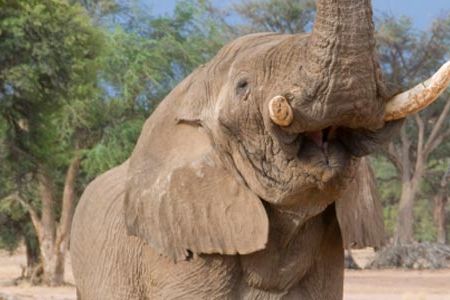
Wild Things: Life as We Know It
Dinosaur gangs, psychedelic fish and long-distance elephant calls
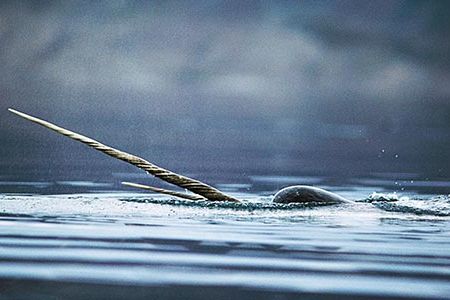
In Search of the Mysterious Narwhal
Ballerina turned biologist Kristin Laidre gives her all to study the elusive, deep-diving, ice-loving whale known as the “unicorn of the sea”

As part of a multi-organizational team, Smithsonian scientist Carlos Jaramillo uncovered the fossils of a gigantic snake

Feeding the Animals at the National Zoo
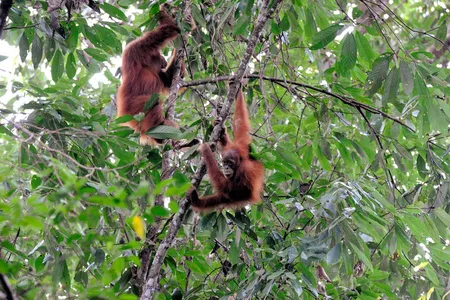
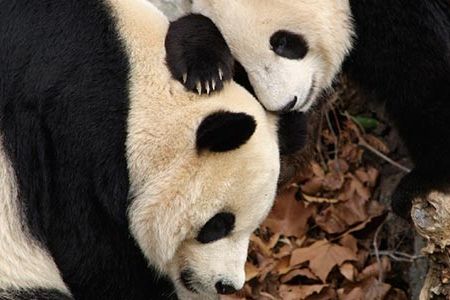
After hiring the first animal nutritionist 30 years ago, the National Zoo prepares specific, well-balanced meals for each animal

Page 114 of 133