
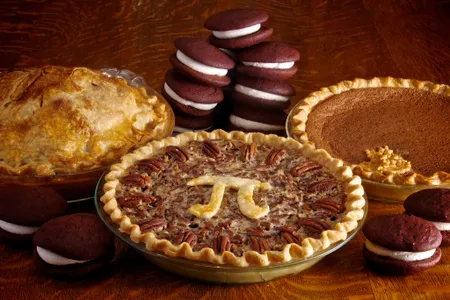
Indiana Almost Made Pi Equal to 3.2, and Other Pi Day Facts
As you celebrate the mathematical holiday, here’s a history of notable moments in the irrational number’s past

Why the Story of Cinderella Endures and Resonates
A Smithsonian folklorist follows the ancient tale with a particularly American twist
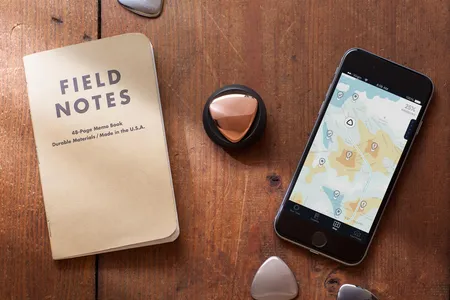
With Wearable Devices That Monitor Air Quality, Scientists Can Crowdsource Pollution Maps
Emerging technology means anyone with a smartphone can become a mobile environmental monitoring station
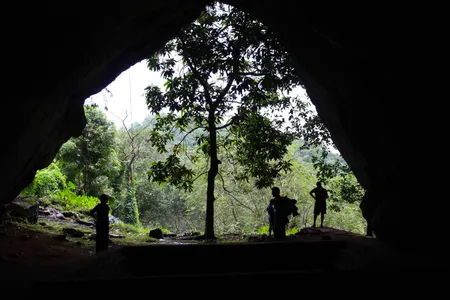
Humans Relied on Rainforest Riches 12,000 Years Earlier Than Thought
Fossil remains suggest that prehistoric people in Sri Lanka may have eaten monkeys and other forest species
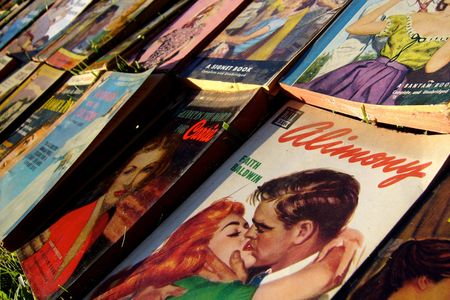
Why Can’t Romance Novels Get Any Love?
The genre is long overdue to be the focus of serious study from academics

Fecal Fermentation and Electronic Pills May Help Decipher Gut Gases
Some intestinal gases have been linked with diseases such as irritable bowel syndrome and colon cancer, so tracking them might explain the connection
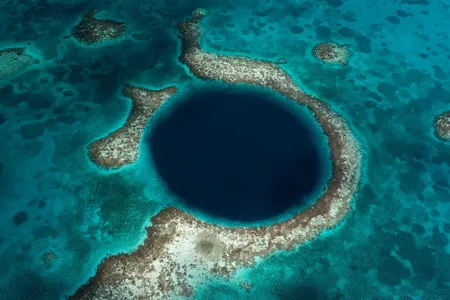
In honor of a very special Pi Day, enjoy this map that explores the human-made and natural structures that come closest to a perfect circle
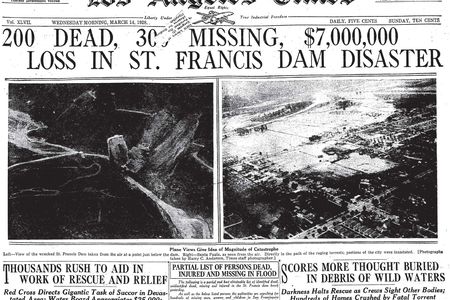
On Occasions Like This, I Envy the Dead: The St. Francis Dam Disaster
William Mulholland was the savior of Southern California until he wasn’t
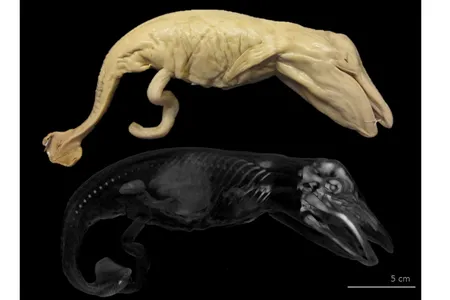
Rare Collection of Whale Fetuses Reveals the Evolution of Cetacean Hearing
Smithsonian researchers offer up an unprecedented glimpse at the development of the “acoustic funnel,” an ear area found exclusively in whales
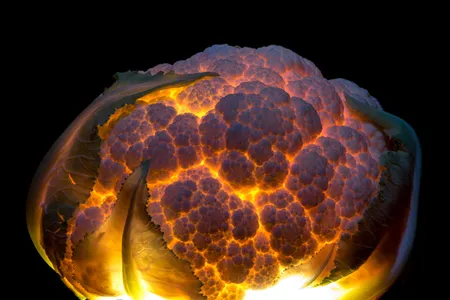
The Amazing Results of Putting a Light Inside Fruits and Vegetables
Romanian photographer Radu Zaciu makes these farmers’ market foods glow from within
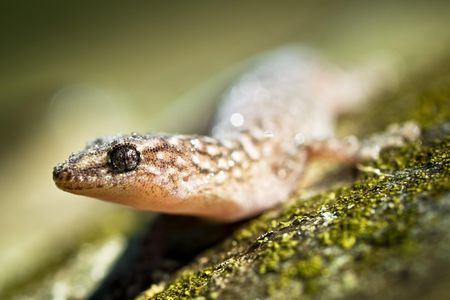
Water Drops Leap Off Gecko Skin Thanks to Tiny Spines
Specialized hydrophobic structures on gecko skin encourage dewdrops to be swept away by the wind or to collide and shoot off one another like pool balls
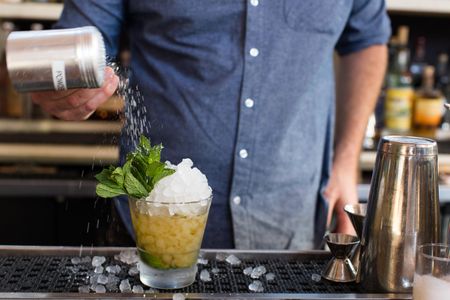
Are We Re-Entering a Golden Age of American Bartending?
At the turn of the century, America was a hotbed of cocktail innovation—then Prohibition happened. Now, bartenders are trying to reclaim the golden age.
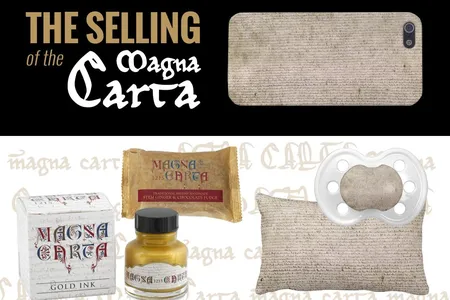
The Ridiculous World of Magna Carta Kitsch
Throughout the United Kingdom, retailers are going mad over an 800-year-old document

How a Smithsonian Artifact Ended Up in a Popular Video Game
To connect with a worldwide audience, an Alaska Native community shared its story with the creators of “Never Alone”
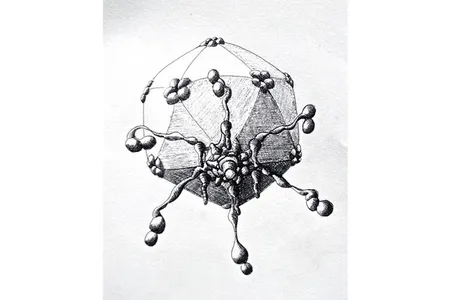
New Drawings Show the Strange Beauty of Phages, the Bacteria Slayers
Phage viruses rearrange genes, prey on bacteria and maintain microbial diversity. Can we harness them to do our bidding?
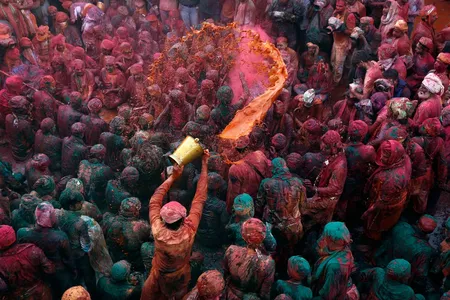
Holi 2015: Stunning Photos of Holi, the Festival of Colors
Celebrated all over India and around the world, the Hindu festival heralds the beginning of spring
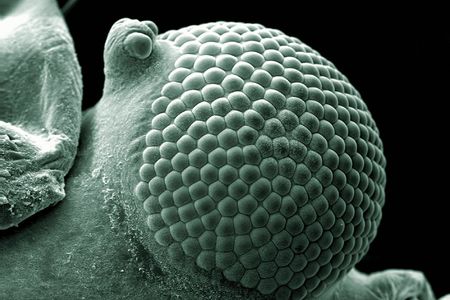
A Goat’s Stomach Never Looked So Good
Eleven venues worldwide will exhibit these 20 striking micrographs, MRI scans and illustrations—all winners of this year’s Wellcome Image Awards

Brave stuntmen have long been riding the near-vertical walls of India’s Well of Death—but the popular spectacle is on the decline
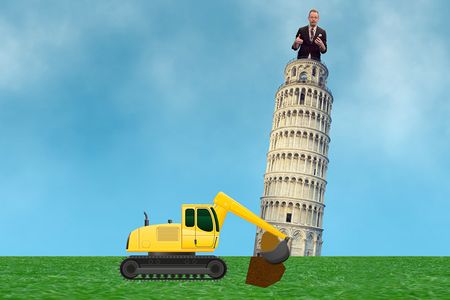
Ask Smithsonian: Will the Leaning Tower of Pisa Ever Topple?
Imperceptible changes are occurring, but no worries, a collapse is not in the forecast

The march to freedom started on a bridge that honors a man bent on preserving slavery and segregation
Page 524 of 1285