
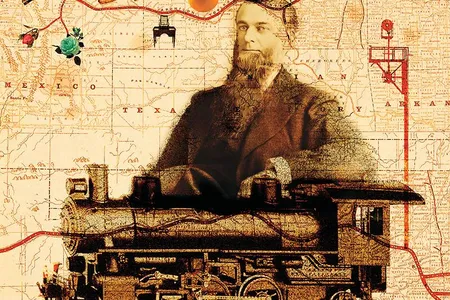
How the Santa Fe Railroad Changed America Forever
The golden spike made the newspapers. But another railroad made an even bigger difference to the nation
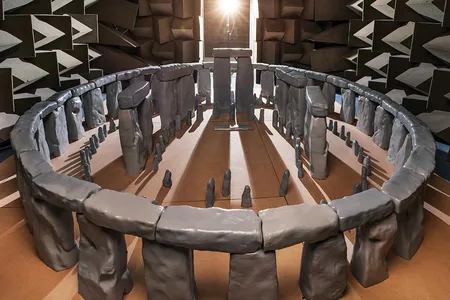
What Did Stonehenge Sound Like?
Researchers have developed a new understanding of what it meant to be a member of the inner circle

The Centuries-Old Sport of Karate Finally Gets Its Due at the Olympics
With the games set for Japan, the martial art will at last debut at next month’s competition
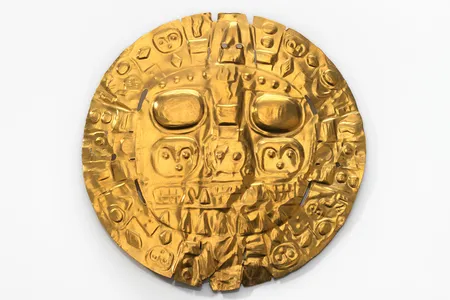
A Golden Symbol of National Identity Returns to Peru
The Smithsonian’s National Museum of the American Indian has sent an ancient, pre-Inca breastplate back home
Beyond Dinosaurs: The Secrets of Earth's Past
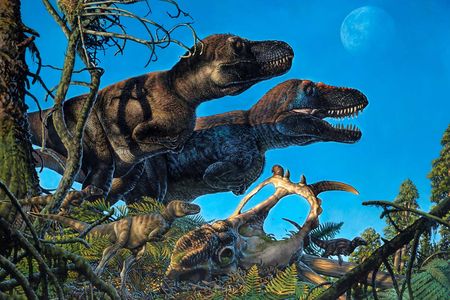
Dinosaurs Nested in the High Arctic
Tiny fossils of polar dinosaurs suggest that the reptiles stayed year-round
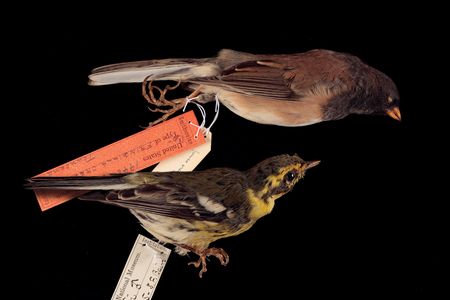
Birds Collected Nearly Two Centuries Ago Still Help Scientists Today
The specimens gathered during an illustrious expedition by naturalist John Kirk Townsend continue to provide value to researchers
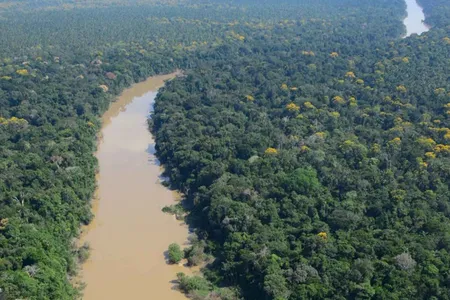
Smithsonian researcher Dolores Piperno says native people have always played an important role in sustainability
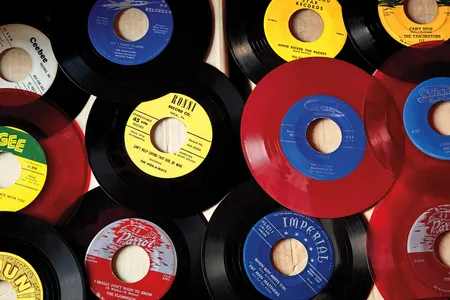
A Peek Inside the World’s Greatest Record Store
A lovable grouch, obsessed with the magic of American sidewalk harmony, runs the Philadelphia shop
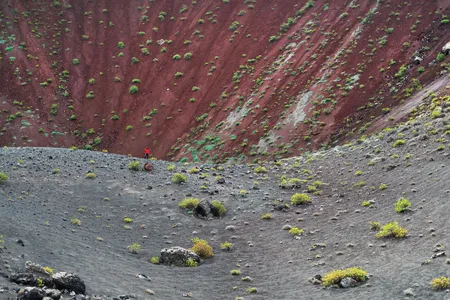
Learning to Love the Hardscrabble Life on Lanzarote
A photographic tour of those who eke out a life on the sunblasted island transformed by a volcano

The Strange Beauty at the Edge of the Everglades
Chronicling the historic struggles of the Florida farming community known as Belle Glade
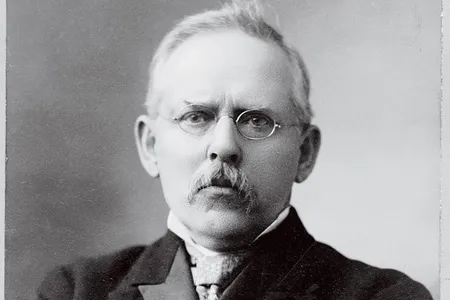
A Sensational Murder Case That Ended in a Wrongful Conviction
The role of famed social reformer Jacob Riis in overturning the verdict prefigured today’s calls for restorative justice
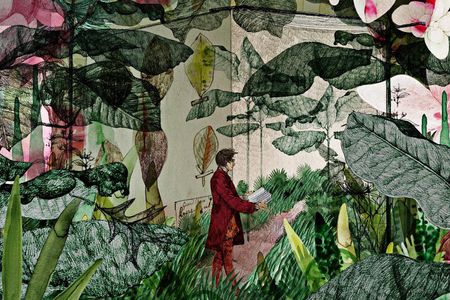
The Forgotten French Scientist Who Courted Thomas Jefferson—and Got Pulled Into Scandal
A decade before Lewis and Clark, André Michaux wanted to explore the American continent. Spying for France gave him that chance
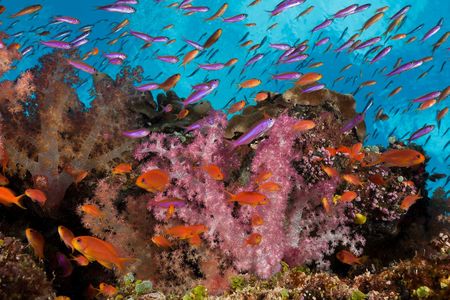
The Pandemic Showed What Can Be Done Without Parachute Science
With international scientists barred from traveling, local scientists in the Pacific islands are taking the chance to lead.
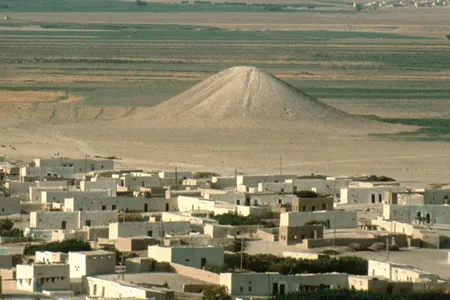
Archaeologists Propose 4,500-Year-Old Burial Mound Was World’s First Military Memorial
Mesopotamians turned a community tomb on the Euphrates into a battle monument
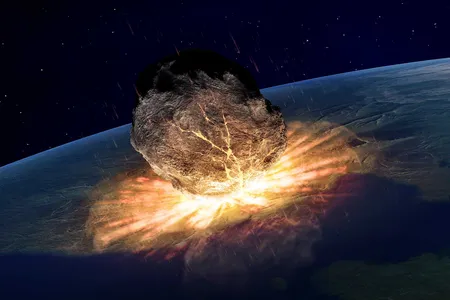
New Research of Impact Crater Blows Away Previous Estimates of Its Age
Scientists say the Boltysh crater in Ukraine formed well after the impact in Mexico that caused the dinosaurs to go extinct
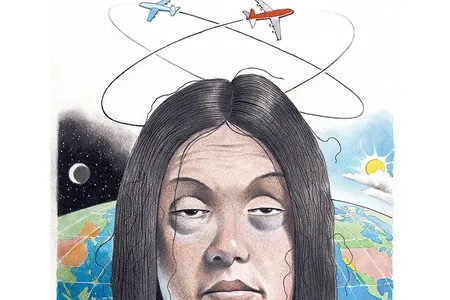
Innovation for Good: Game Changers
This Implant Could One Day Control Your Sleep and Wake Cycles
The so-called ‘living pharmacy’ will be able to manufacture pharmaceuticals from inside the body
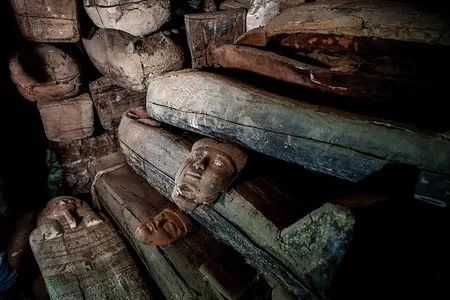
Dramatic new discoveries in the ancient Egytptian burial ground. A special report produced with Smithsonian Channel
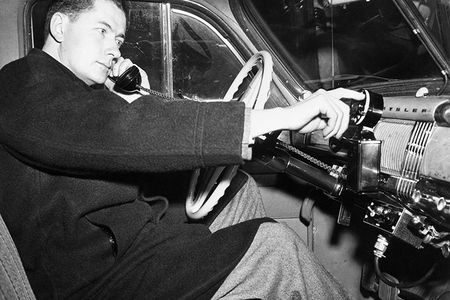
The First Mobile Phone Call Was Made 75 Years Ago
The evolution of the cell phone illustrates what it takes for technologies to go from breakthrough to big time
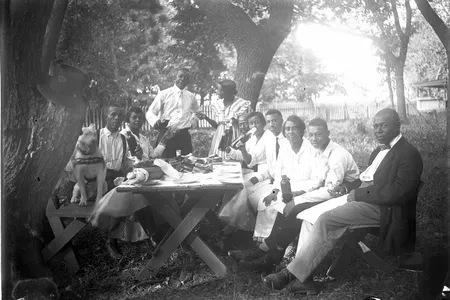
Commemorate Juneteenth With Free Virtual Programs From the Smithsonian
On June 19, NMAAHC will honor the end of slavery in the U.S. with events featuring Annette Gordon-Reed, Adrian Miller and more

In Mexico, Dive Tourism Is Worth as Much as Fishing
Researchers estimate diving and snorkeling bring in up to $725 million annually
Page 165 of 1285