
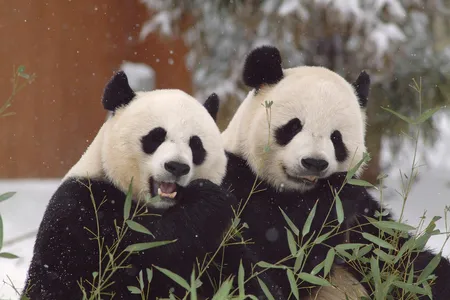
Smithsonian’s Giant Pandas Will Continue to Cavort for Three More Years
A new agreement ensures that the Zoo’s beloved animals and the new cub can stay through 2023
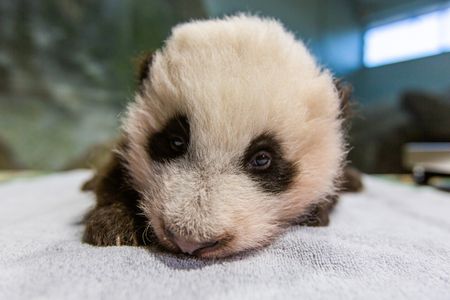
The National Zoo Reveals Its New Panda Cub’s Name
Members of the public voted to name the three-month-old cub Xiao Qi Ji, or “little miracle”
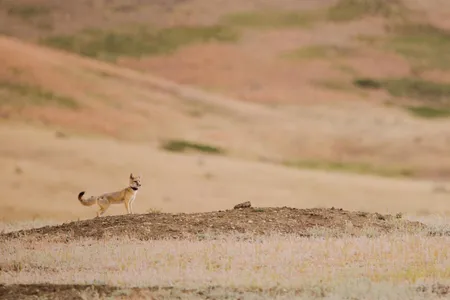
Tribes Reintroduce Swift Fox to Northern Montana’s Fort Belknap Reservation
After absence of more than 50 years, the pint-sized predator returns to the prairie
How the Revolutionary Thinker Alexander von Humboldt Helped to Create the Smithsonian
The 19th-century polymath continues to influence the Institution’s research; a major Smithsonian exhibition explains how and why
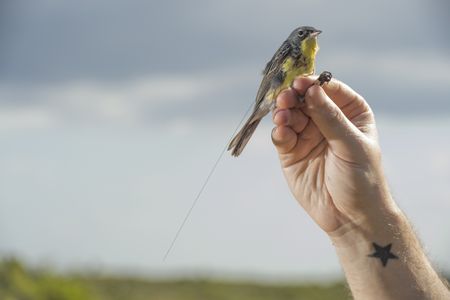
High-Tech Tracking Reveals ‘Whole New Secret World of Birds’
A study of Kirtland’s warblers found that some continue exploring long distances even after they reach their breeding grounds

The National Zoo Will Reopen to the Public on July 24
Two bison, an Andean bear and a baby wallaby are among the new animals ready to welcome visitors back
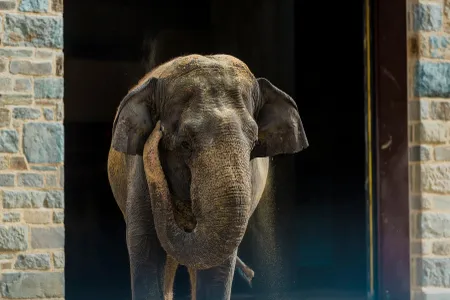
National Zoo Mourns Beloved Member of Its Herd
The 45-year-old Asian elephant Shanthi was one of the most studied in the world
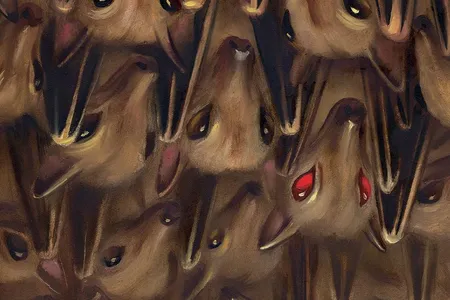
These Scientists Hunt for Viruses in Animals Before They Strike Humans
Even before the COVID-19 pandemic, researchers were searching for potential human pathogens in wild animals. They’ve found thousands
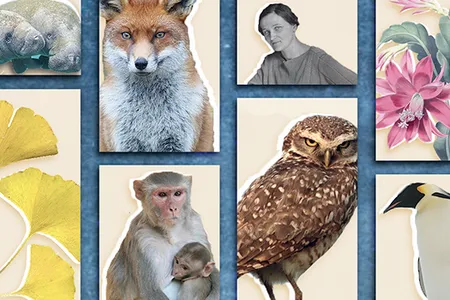
Seventy-Five Scientific Research Projects You Can Contribute to Online
From astrophysicists to entomologists, many researchers need the help of citizen scientists to sift through immense data collections
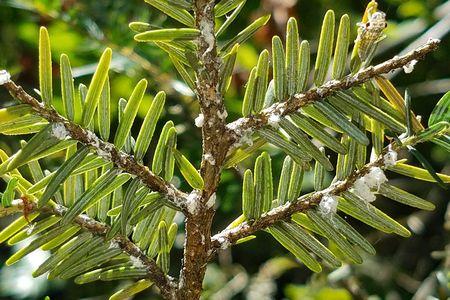
Decades of Tree Data Reveal Forests Under Attack
Smithsonian researchers with ForestGEO found that invasive species are linked to roughly one in four tree deaths in a section of the Blue Ridge Mountains
LIVE NOW: Watch the Smithsonian’s Earth Optimism Digital Summit
The two-day virtual event will bring scientists and many other experts to highlight success stories in conservation
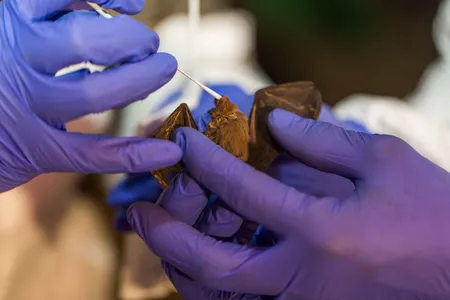
Smithsonian Scientists Discover Six New Coronaviruses in Bats in Myanmar
The new viruses are not harmful to humans or closely related to SARS-CoV-2, the coronavirus that causes COVID-19
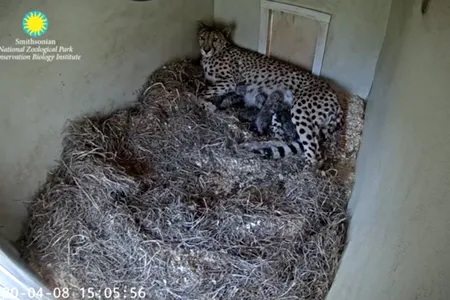
Watch Live as the National Zoo’s Cheetah Gives Birth to a Litter of Cubs
Congratulations to first-time mother Echo the cheetah!
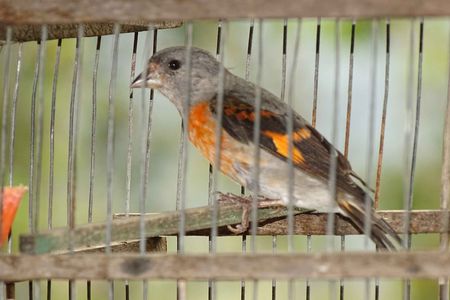
Heavily Trafficked Songbirds Have a Path Back to Resiliency
Researchers see promise in recruiting red siskin pet traders as conservation partners
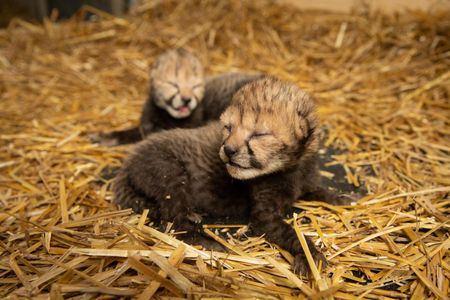
In a First, Cheetah Cubs Born Through Surrogacy at the Columbus Zoo
Zookeepers and Smithsonian scientists successfully transferred cheetah embryos, marking a major conservation milestone for the vulnerable species

Eighteen Podcasts to Listen to in 2020
Need podcast recommendations for travel or the treadmill? Here’s what Smithsonian experts listen to

Yes, Tropical Forests Tragically Burned This Summer, but Here’s What You Can Do
Fires stoked worldwide anxiety, but Smithsonian forest ecologist Kristina Anderson-Teixeira offers a few practices for making a difference
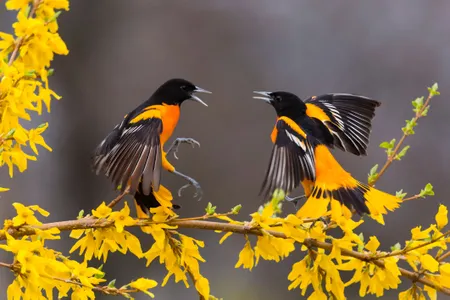
North America Has Lost Nearly 3 Billion Birds Since 1970
The staggering population loss of 29 percent of North American birds could signal an ecological crisis

To Help Corals Fight Back, Scientists Are Breeding Populations Separated by Hundreds of Miles
A new study demonstrates that assisted reproduction using cryopreserved sperm leads to offspring that might be more resilient in the face of climate change
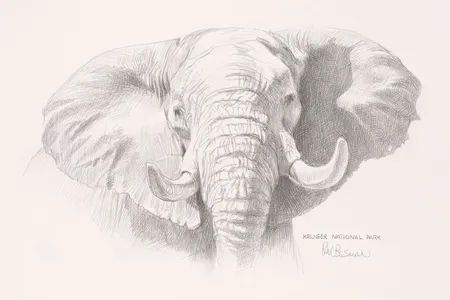
The Complicated History of the Human and Elephant Relationship
With the new exhibition, “Game Change,” Smithsonian Libraries delves into 150 years of hunting and conservation
Page 2 of 4