
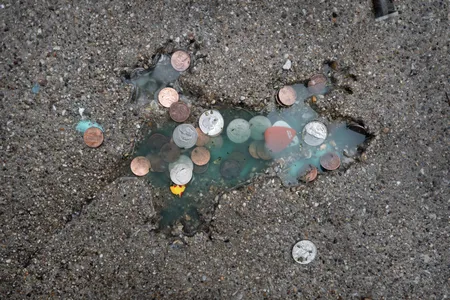
Chicago’s Famous ‘Rat Hole’ Wasn’t Actually Made by a Rat, According to a Statistical Analysis
Scientists are almost certain the viral imprint in a city sidewalk was actually made by an unlucky squirrel
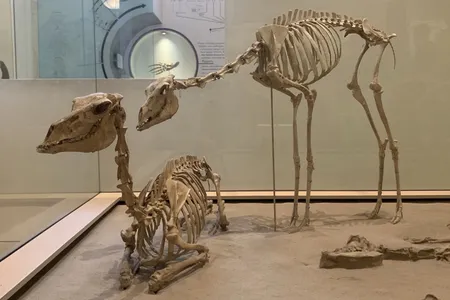
Meet the Extinct Camels of North America, From Ice Age Giants to Sheep-Size Runners
Largely outshone by fossils of horses, the earliest camels are getting another look from scientists determined to sort out the relationships and adaptations of these “absolutely bonkers” herbivores
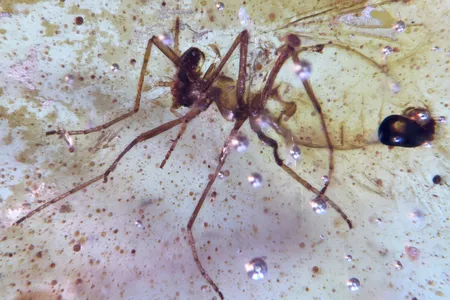
112-Million-Year-Old Amber Samples Preserve a Snapshot of an Ancient Forest
The deposits from the time of the dinosaurs contain fragile insects and a spider’s web
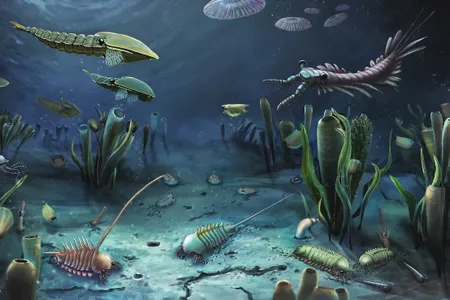
What Led Life to Flourish Roughly 520 Million Years Ago?
Changes to the world’s oceans and the rise of certain predators may have driven diversification
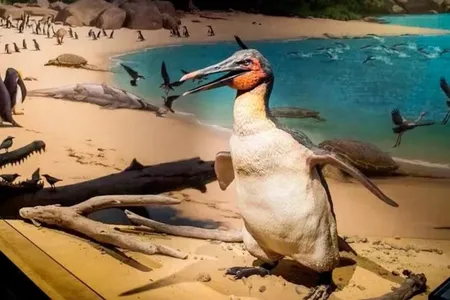
Early Penguins Had Long, Dagger-Like Beaks for Skewering Fish, New Zealand Fossils Reveal
Paleontologists describe four new species of extinct ancestral penguins that help shed light on how the iconic birds evolved after dinosaurs went extinct
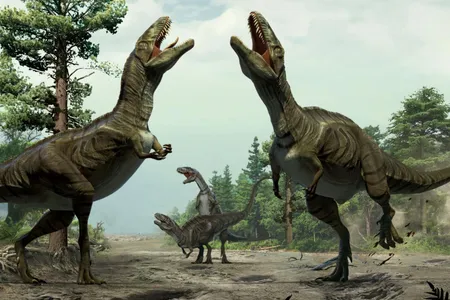
From Dinosaur Scratches to Insects in Amber, How Paleontologists Uncover Prehistoric Courtship
Researchers have found fossil evidence of varied creatures wooing and mating, as they continue to search for the telltale signs of dinosaurs copulating
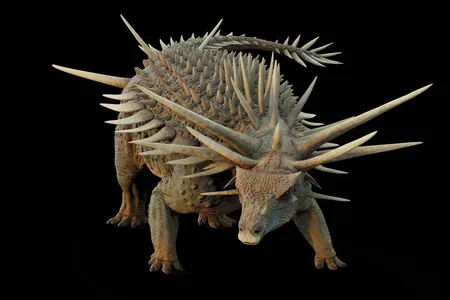
Oldest Known Fossil of an Armored Ankylosaur Is ‘Far Weirder’ Than Paleontologists Expected
The 13-foot dinosaur, covered in long spikes fused into its bones, suggests ankylosaurs developed tail weapons 30 million years earlier than thought
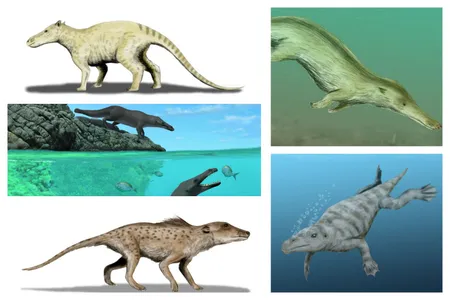
Before Whales Took to the Sea, These Ten Species Walked on Land
The creatures, which ranged in size from that of a fox to more than 50 feet long, divided their time between the coast and the water

Fifteen large prints were probably left behind by meat-eating dinosaurs, and they were revealed as floodwaters washed away dirt in early July
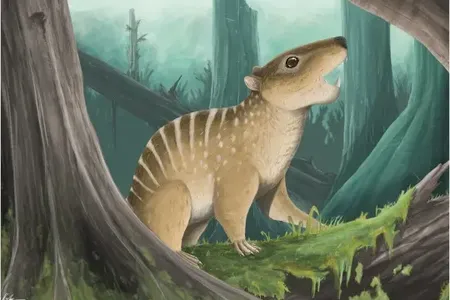
The species was named for its pointy teeth and could shed light on early mammal adaptations
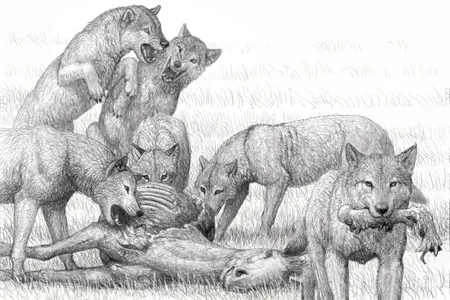
What Happened to the Bone-Crushing Dogs That Once Hunted Across North America?
Before going extinct roughly two million years ago, canids known as borophagines took down and consumed much larger prey
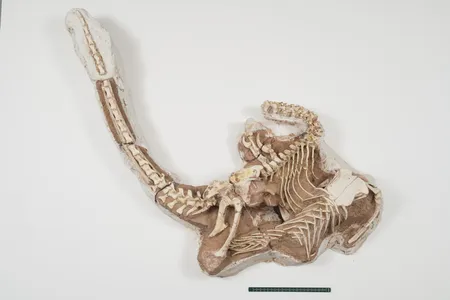
Paleontologists Identify a ‘Rapacious’ Velociraptor Relative With Powerful Hands and a Strong Bite
The dinosaur Shri rapax likely relied on its grip strength to take down prey in what is now Mongolia
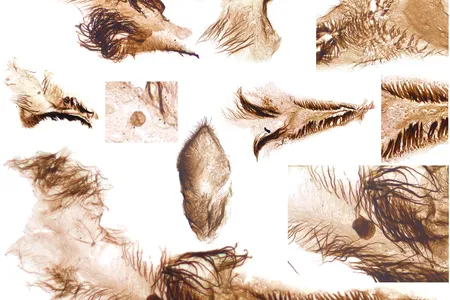
Rocks found along the Colorado River in Arizona turned out to contain fossilized fragments of soft-bodied creatures, suggesting the site may have been an “evolutionary hotbed”
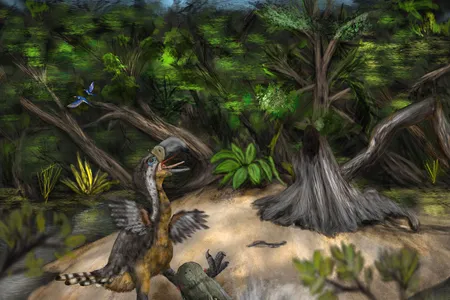
Even Apex Predators Like ‘Terror Birds’ Had Enemies, Research Suggests
Bite marks on a fossilized leg bone found in South America suggest a crocodile-like creature attacked a massive, meat-eating bird 12 million years ago
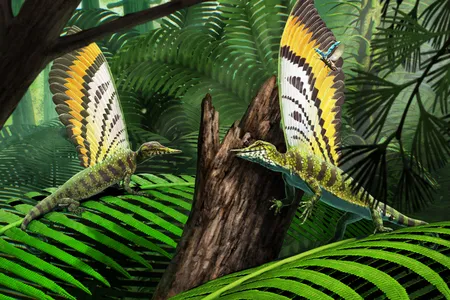
A 247-million-year-old fossil from a German natural history museum reveals the secrets of Mirasaura

Everyone knows the famous tyrant lizard king, but its relatives amaze, too
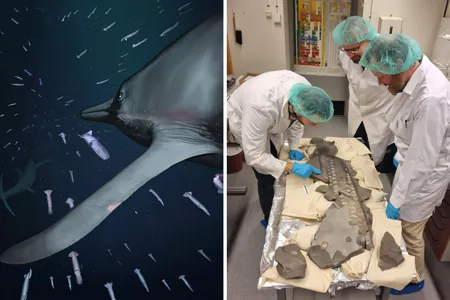
Fossil Flipper Reveals Ichthyosaurs Hunted in Lethal Silence With Unique Adaptations for Stealth
An analysis of a roughly 180-million-year-old fossil fin reveals serrations and flexibility that might have served to dampen sound as the predator swam
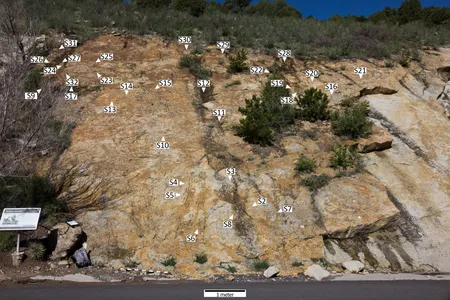
Paleontologists have discovered what appears to be one of the largest dinosaur courtship arenas in the world, just 15 miles west of Denver
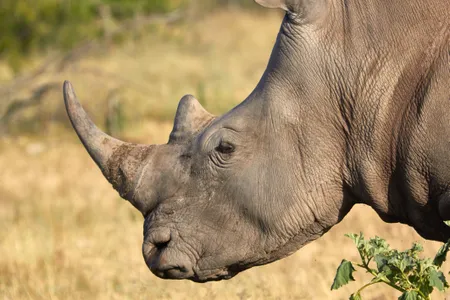
Two new papers analyze fossils found in Canada and Kenya, respectively—vastly different environments for the preservation of genetic material
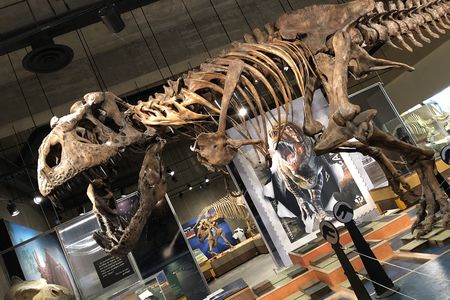
Scotty, a specimen unearthed in Canada, was probably injured in a fight, then died several months later
Page 3 of 28