Subscribe to Smithsonian magazine and get a FREE tote.

New Research

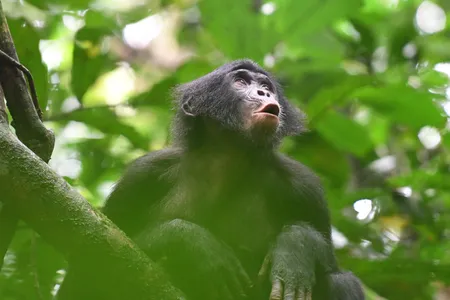
A young bonobo female responds to group members.

There Might Be Something Human in the Way Bonobos Communicate—Their Calls Share a Key Trait With Our Language, Study Suggests

Researchers attempted to decode bonobo calls by recording their social context, then analyzed how the primates string together these vocalizations
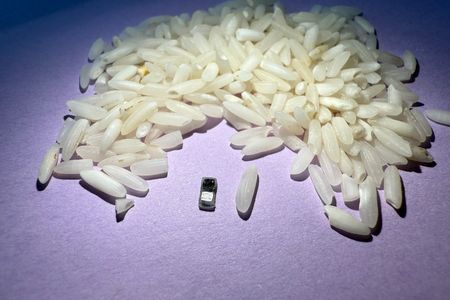
A new, temporary pacemaker is smaller than a grain of rice.

Researchers Develop the World’s Smallest Pacemaker, and It Could Be Revolutionary for Newborn Babies With Heart Defects

The new device is smaller than a grain of rice and gets absorbed by the patient’s body when it’s no longer needed, eliminating the risks of an extraction surgery
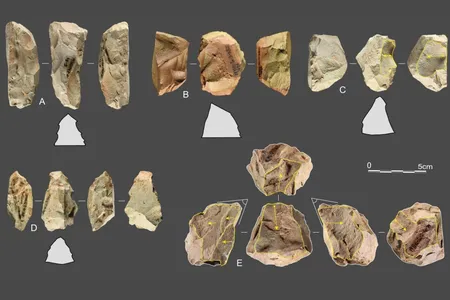
The Quina technology discovered in East Asia was a set of stone tools for making other tools. Prehistoric sites in Europe that host similar tools are associated with Neanderthals.

Cool Finds

Stone Tools Discovered in China Resemble Neanderthal Technology Used in Europe, Creating a Middle Stone Age Mystery

Archaeologists previously assumed that East Asia did not see considerable tool development during the Middle Paleolithic, but new findings might change that widely held idea
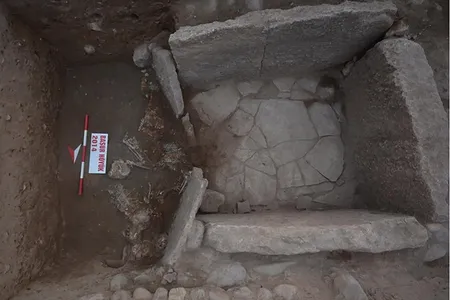
Thousands of years ago, people had been buried both inside and outside of this cist tomb.

New Research

Why Were These Teenagers Chosen as Human Sacrifices at an Ancient Mesopotamian Cemetery?

Researchers previously assumed that some of the graves at the site were royal burials. A new study presents a different theory, which challenges existing ideas about early class structures
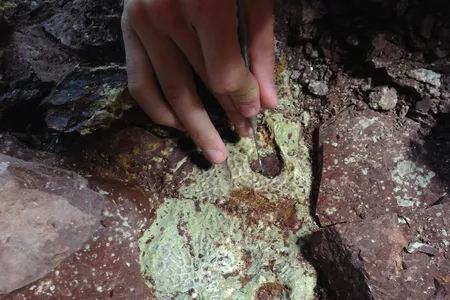
A skull of the Triassic amphibian Buettnererpeton bakeri gets uncovered for the first time in 230 million years. Researchers found it in a cache of skeletons that were well-preserved and appear to be relatively undisturbed over time.

Enormous, Crocodile-Sized Amphibians Mysteriously Died Together in Wyoming 230 Million Years Ago

Paleontologists found a group of four-legged Triassic creatures preserved in the same bone bed—but they don’t know what killed the animals
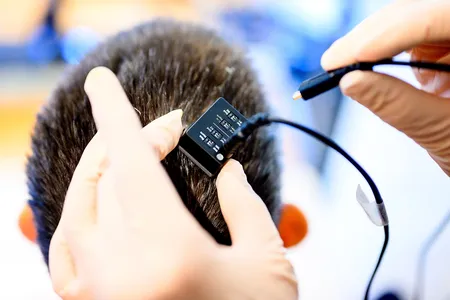
Researchers connect stroke survivor Ann Johnson's brain implant to the experimental computer, which will allow her to speak by thinking words.

Enhanced Brain Implant Translates Stroke Survivor’s Thoughts Into Nearly Instant Speech Using Artificial Intelligence

The system harnesses technology similar to that of devices like Alexa and Siri, according to the researchers, and improves on a previous model
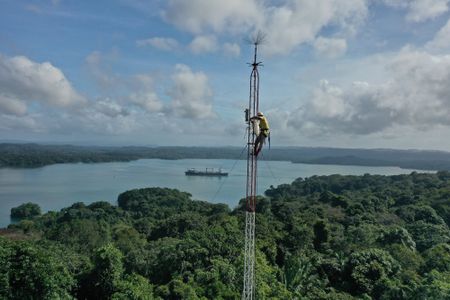
A technician climbs a tower to locate lightning strikes in the study area on Panama's Barro Colorado Island.

Being Struck by Lightning Is No Big Deal for This Tropical Tree—the Zap Even Gives It a Boost

The almendro tree may have evolved to attract lightning, which helps clear more space for it to grow, according to new research
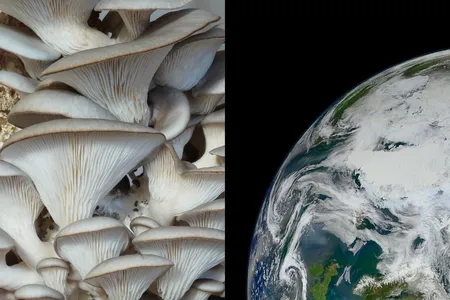
For the first time, the "Mission MushVroom" experiment on SpaceX's Fram2 mission will attempt to grow mushrooms in space.

SpaceX Astronauts Will Try Growing the First Mushrooms in Space on Upcoming Fram2 Mission Over Earth’s Poles

Described as the “perfect space crop,” the nutritious and ready-to-eat fungus could be a key stepping stone toward fueling crew members during long-term spaceflight
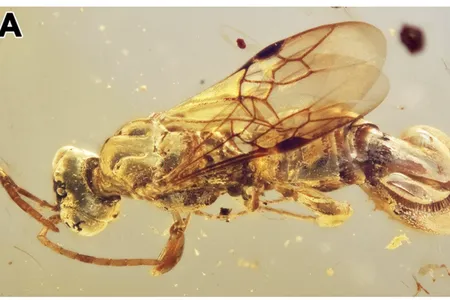
A newly described wasp species, Sirenobethylus charybdis, had a tail with paddles and trigger hairs that scientists say was used to catch and parasitize insects. The scale bar is 0.5 millimeters.

Ancient, Parasitic Wasp Used Its Rear End Like a Venus Flytrap to Catch Insects and Lay Its Eggs on Them, Study Suggests

Scientists say they’ve never seen anything like this “truly unique” species, which was found encased in amber

At the left, an enhanced-color image of Neptune from NASA’s Hubble Space Telescope. At the right, that image is combined with data from NASA’s James Webb Space Telescope to show auroras, represented by cyan coloring.

Check Out Neptune’s Beautiful Auroras, Captured for the First Time by the James Webb Space Telescope

Scientists suspected the ice giant hosted auroras—and had already observed them on Jupiter, Saturn and Uranus. But an observation of Neptune’s lights remained elusive for decades
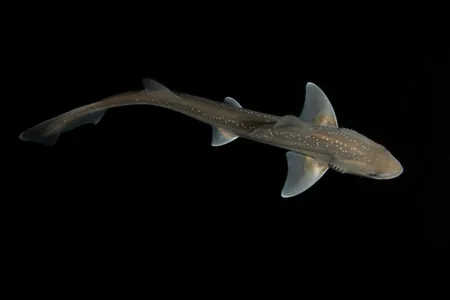
Scientists recorded rig sharks producing sounds—potentially with their teeth. The clip is thought to be the first documentation of its kind.

Listen to the First Known Recording of Shark Sounds, a ‘Weird’ Audio Clip Captured at a Marine Lab in New Zealand

Researchers detected short clicking noises from rig sharks during handling in the lab, though they’re not sure why or how the sound is produced
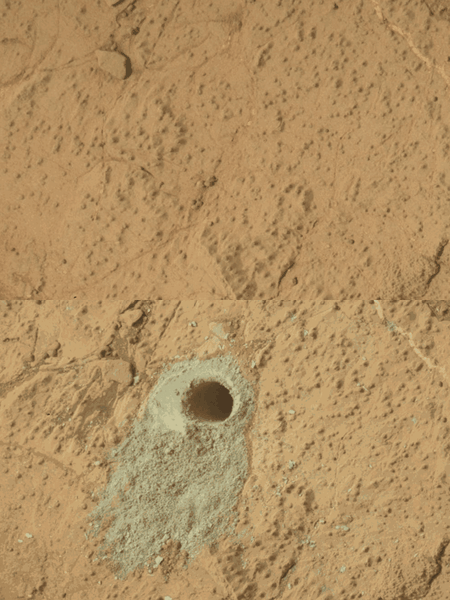
In 2013, the Curiosity rover drilled this hole, which measures about 0.6 inches wide and 2.6 inches deep, into martian rock. The sample is now thought to contain long-chain organic molecules.

Curiosity Rover Discovers Largest Organic Compounds Ever Found on Mars, a Possible Sign of Ancient Life

The molecules may be remnants of fatty acids, which form cell membranes in Earth’s organisms, though they might have formed through a non-biological process
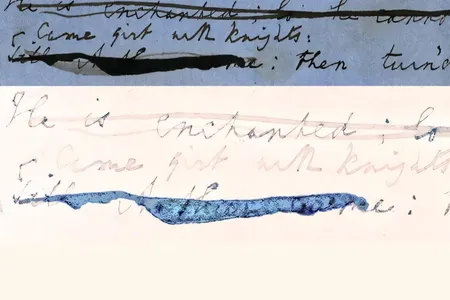
A digitization of a draft from the Wren Library (above) and a multispectral image processed by Michael Sullivan from raw imaging by Andrew Beeby (below)

Art Meets Science

Advanced Imaging Reveals Crossed-Out Words in the Poems of Alfred Tennyson

The 19th-century English poet was a “prolific reviser” who tested out many variations of his work before publication. A new study sheds light on his creative process
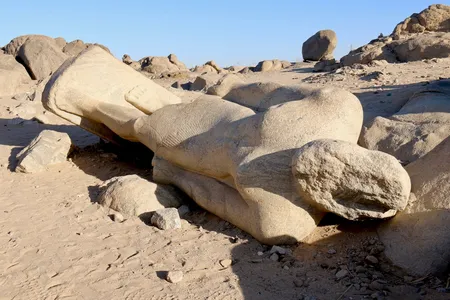
A granite statue located in Tombos, an ancient Egyptian outpost in present-day Sudan

New Research

Lower-Class Workers May Have Been Buried in Ancient Egyptian Pyramids Alongside Elites

When researchers examined skeletons buried in present-day Sudan, they found evidence that some had belonged to workers who performed hard labor
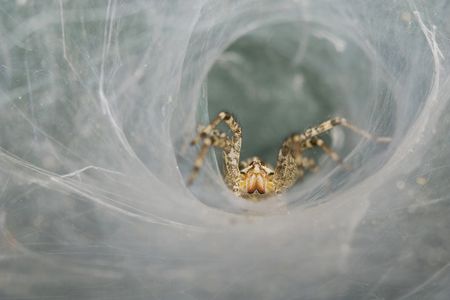
A funnel-web spider patrols its web, waiting to detect the vibration of unsuspecting prey.

Getting Annoyed at Your Noisy Neighbor? Spiders Are, Too. New Research Finds They’ll Build Webs Differently in Loud Conditions

In lab experiments, spiders changed how they constructed their webs in noisy environments, and rural and urban spiders responded differently

A busy street in Helsinki, Finland

These Are the 20 Happiest Countries in the World

Finland took the top spot in this year’s World Happiness Report, while the United States dropped to its lowest ranking yet

JADES-GS-z14-0 is the most distant known galaxy, dating to less than 300 million years after the Big Bang. Scientists were surprised to find oxygen there.

Scientists Detect ‘Unexpected’ Oxygen in the Most Distant Galaxy Ever Found, Defying Ideas About the Early Universe

The findings suggest galaxies formed much more quickly than astronomers assumed
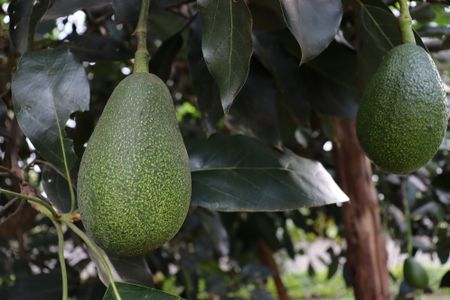
Early avocado farmers left a lasting mark on the development of agriculture.

New Research

New Study Reveals How Humans Cultivated Avocados Over Thousands of Years

Research in Honduras shows that humans began selecting for larger fruits with thicker rinds as early as 7,500 years ago—long before maize arrived in the region
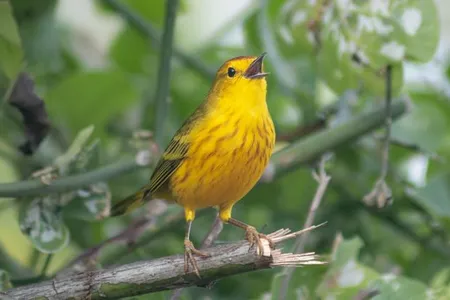
The Galápagos yellow warbler is a genetically distinct subspecies of the yellow warbler, which might be familiar to residents of the United States.

Traffic Noise May Be Making These Bright Yellow Birds More Aggressive in the Galápagos Islands, Study Suggests

Male Galápagos yellow warblers appear to be shifting their behavior and adjusting their calls in response to the din of passing vehicles
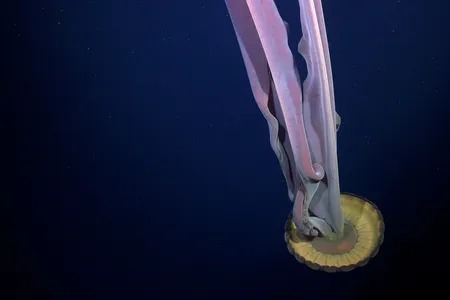
A giant phantom jellyfish floats in the Bellingshausen Sea off Antarctica.

A Chicago-Sized Iceberg Broke Off From Antarctica, Revealing a Hidden Ecosystem Never Seen Before

When the A-84 iceberg calved in January, it unveiled a 209-square-mile swath of seafloor. Nearby scientists rushed to the scene for the “unprecedented” look below

Page 46 of 308