
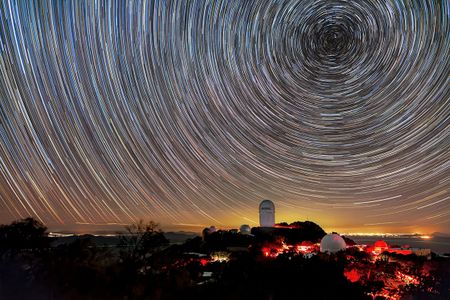
Astronomers thought dark energy was a constant. But now, findings from the Dark Energy Spectroscopic Instrument provide even more evidence that it may be fluctuating
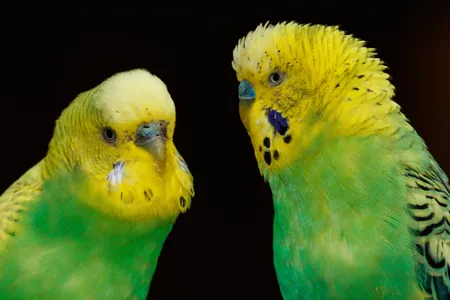
The parakeets commonly kept as pets could offer fresh clues about vocal learning and potential treatments for speech disorders
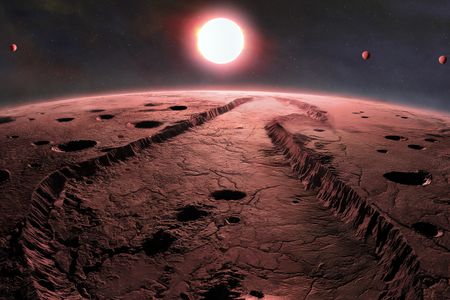
More than 60 years after the first debunked discovery of a planet orbiting Barnard’s Star, the closest single-star system to Earth, a pair of telescopes has revealed multiple rocky worlds around it
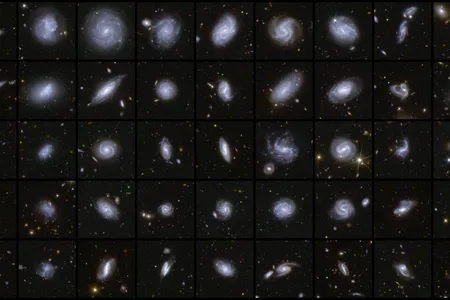
The European Space Agency’s “dark universe detective” discovered millions of new galaxies and offers potential clues about dark matter
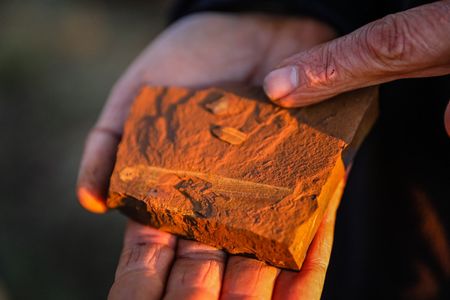
Discovered in Australia, the fossils represent a new species that lived during the Miocene epoch and highlight how iron-rich rock can protect specimens over time
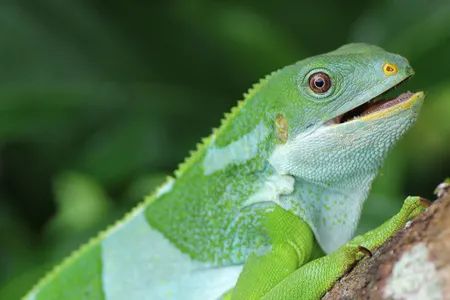
Since most iguana species live in the Americas, biologists have long debated how they could have arrived on the remote Pacific island in the first place

New research is shedding light on the bouleuterion building that once stood in the ancient city of Teos, located in present-day Turkey
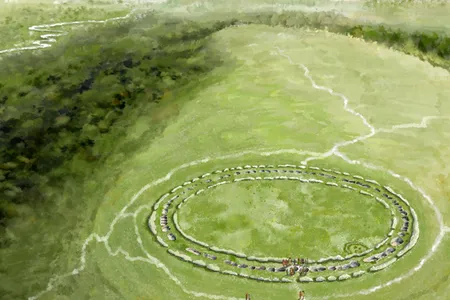
Could This Prehistoric Burial Site Have Influenced the Construction of Stonehenge?
Researchers say that Flagstones, a large circular enclosure in southern England, dates to around 3200 B.C.E.—which means it predates Stonehenge by several hundred years
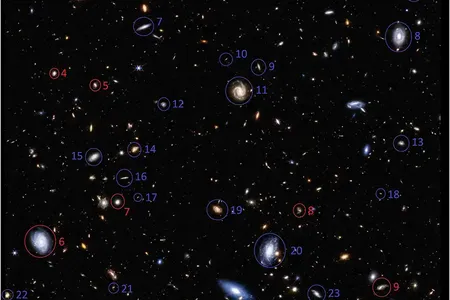
James Webb Space Telescope Reveals That Most Galaxies Rotate Clockwise
This preferred direction of spin might be due to one of two reasons: either our entire universe exists in a black hole, or astronomers have been measuring the universe’s expansion incorrectly

Researchers Unearth Oldest Known Human Facial Bones Ever Found in Western Europe
The upper jawbone and partial cheek bone represent a mysterious unknown species that lived in present-day Spain between 1.1 million and 1.4 million years ago, according to a new study
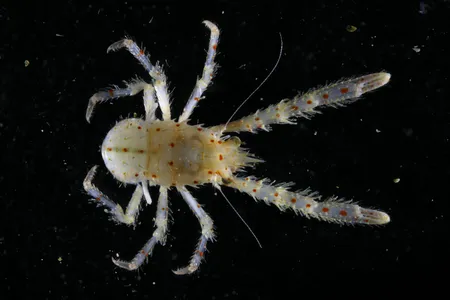
From a Guitar Shark to an Octocoral, Scientists Discover More Than 800 Marine Species
The Ocean Census hopes to discover thousands of new creatures before they go extinct
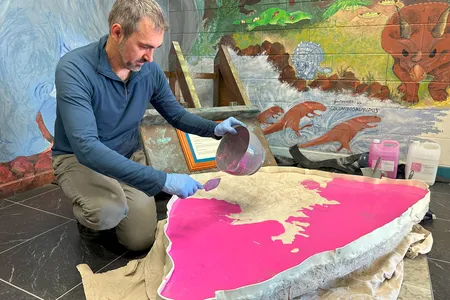
A paleontologist studied the 200-million-year-old prints that had been hiding in plain sight, then discovered even more tracks in another rock sitting in a nearby parking lot
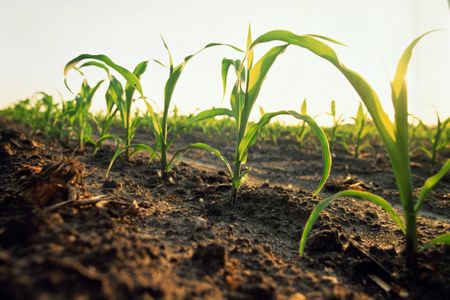
On average, these little particles could reduce photosynthesis in plants and algae by up to 12 percent, according to the paper
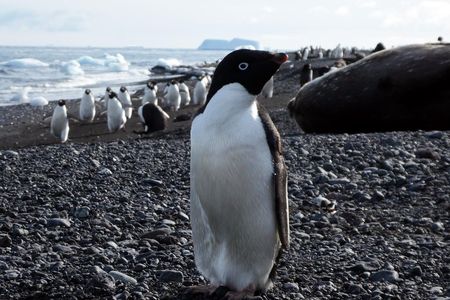
Sediment samples from the Ross Sea coastline are revealing insights into how animals like elephant seals and Adélie penguins adapted to environmental changes long ago

These Tracks Reveal Evidence of 22,000-Year-Old Wheelbarrows—But Without the Wheels
The drag marks and footprints were discovered in present-day New Mexico. Researchers say they’re some of the earliest known examples of transport vehicles
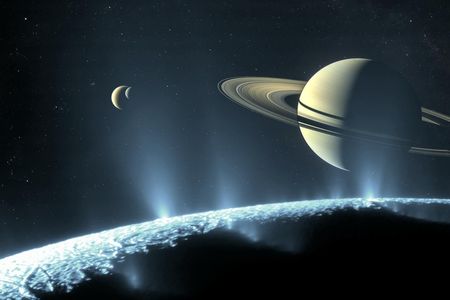
Astronomers Discover 128 New Moons Orbiting Saturn, Cementing the Planet’s Title of ‘Moon King’
The sheer number of objects suggests scientists will soon have to grapple with what counts as a moon versus what’s just a large rock
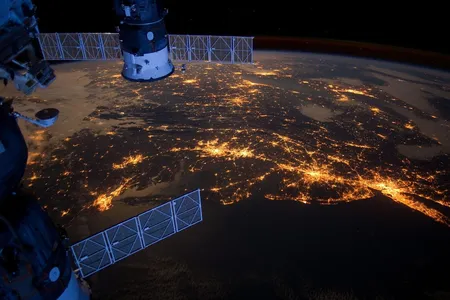
Greenhouse gas emissions could reduce drag in the upper atmosphere, leaving more space debris in orbit and making satellites more vulnerable to damage, according to new research
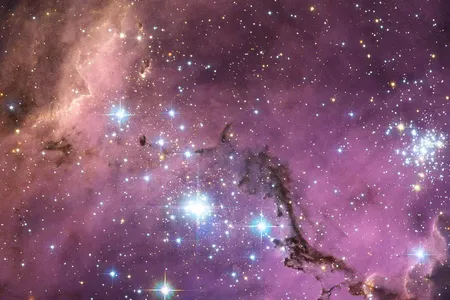
Astronomers Discover Evidence of a Stealthy Supermassive Black Hole Hiding Right ‘Under Our Noses’
The Large Magellanic Cloud is one of the most well-studied galaxies, but new findings suggest it might have been holding a giant secret
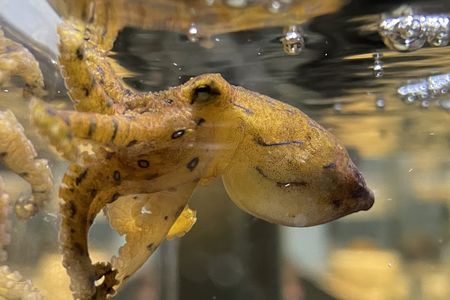
These Male Octopuses Use Venom to Subdue Female Mates—and Avoid Being Eaten After Sex
Scientists observed male blue-lined octopuses injecting tetrodotoxin into females, which rendered them immobile for mating
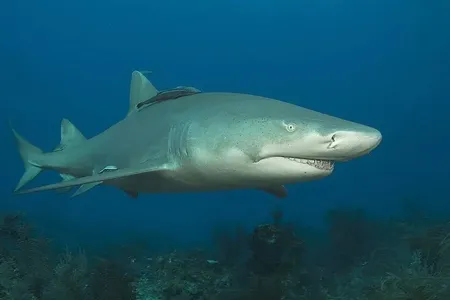
Megalodon Might Have Been Longer and Skinnier Than Previously Thought, Growing Up to 80 Feet
A new paper suggests the enormous, extinct shark looked less like a bulky great white and more like an elongated lemon shark
Page 47 of 308