
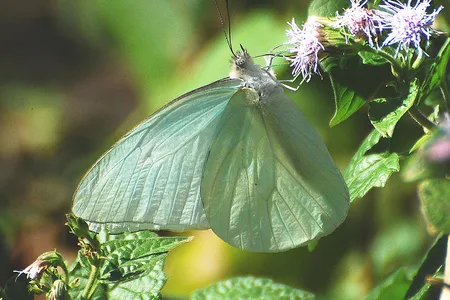
U.S. Butterflies Are Disappearing at Drastic Rates, With One in Five Gone Since 2000
A new study finds the popular, fluttering insects have declined by 22 percent in the last 20 years
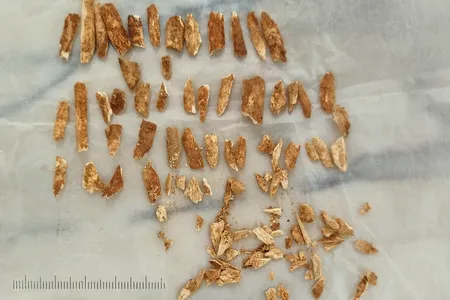
Discovered in Portugal in 1998, the individual dubbed the “Lapedo Child” has long perplexed scientists, thanks to a curious mix of features
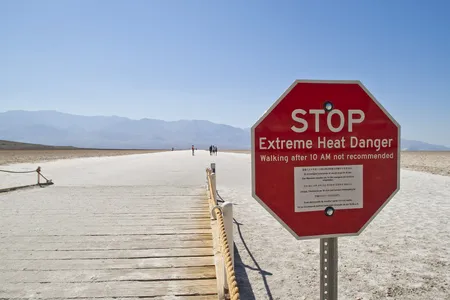
Extreme Heat Could Make Older Adults Age Faster by Altering Their DNA, Study Finds
Researchers compared genetic markers of aging to daily temperature records in areas across the United States and found that elderly people exposed to more hot days showed more rapid biological aging
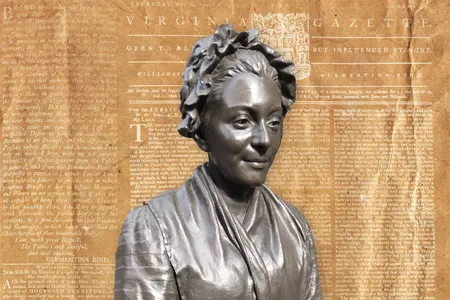
As Virginia’s first female newspaper publisher, Clementina Rind emphasized women’s viewpoints and collaborated with prominent politicians like Thomas Jefferson
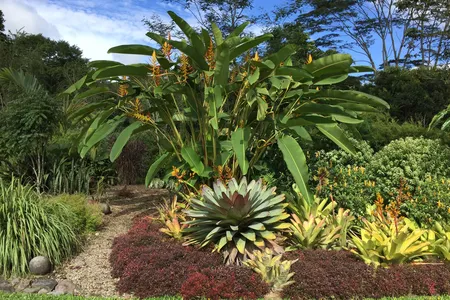
Using data from over 10,000 herbarium specimens, Smithsonian scientists uncover the urgent conservation needs of the plants, which are critical to tropical ecosystems
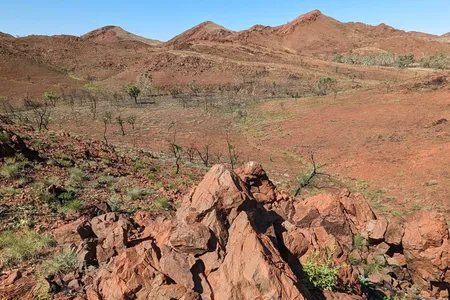
Oldest Known Impact Crater Discovered in Australia
The discovery bolsters the theory that meteorite impacts played an important role in Earth’s early geological history
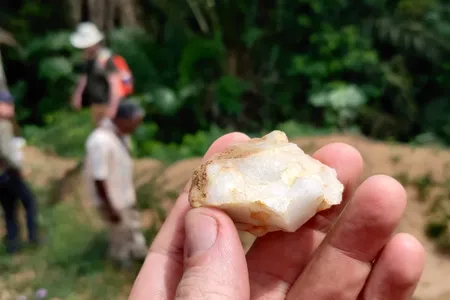
New research suggests that humans inhabited the rainforests of West Africa roughly 150,000 years ago, providing new insights into our ancestors’ ability to adapt to challenging environments
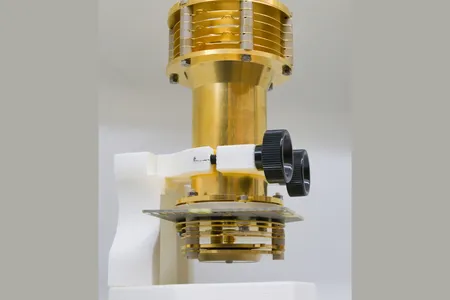
If Mars ever hosted microorganisms in its bygone oceans, their fossils might still be preserved in minerals—and now, we have a new potential way to find them
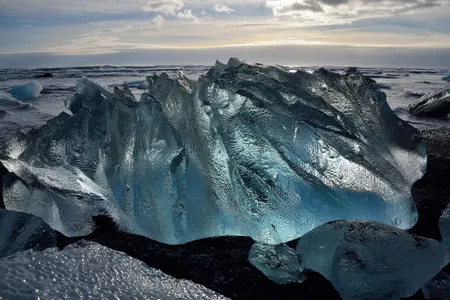
A new study suggests glaciers carved metals out from the Earth’s surface 700 million years ago, leading to chemical reactions in the oceans that set the stage for early animal evolution
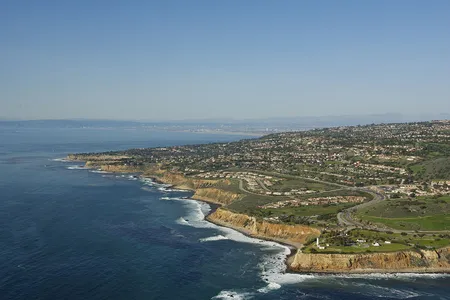
Parts of California Are Sinking, and It Could Worsen the Effects of Sea-Level Rise, NASA Study Finds
The ground in many parts of the state—including Los Angeles, San Francisco and the Central Valley—is subsiding due to groundwater withdrawal, landslides and compacting of sediment

The boat, known as a waka, was unearthed in the Chatham Islands. Researchers say it could be one of the most significant discoveries of its kind
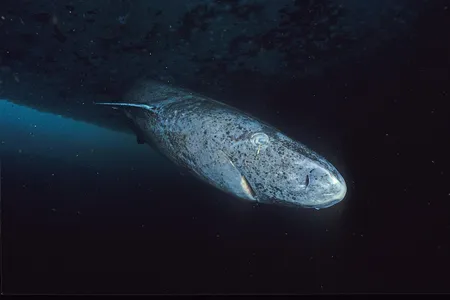
Greenland Sharks Can Live for 400 Years. Scientists Are Using DNA to Unravel Their Longevity Secrets
These large, mysterious creatures are the longest-living vertebrates on the planet—and their genomes could contain clues to how they prevent cancer and reach such an advanced age
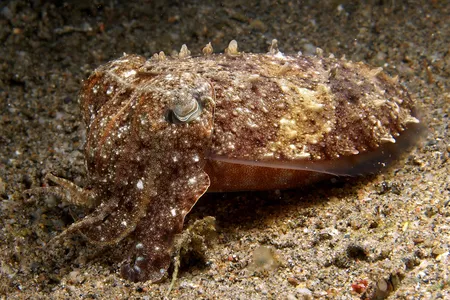
Watch Cuttlefish Use Camouflage to Confuse Crabs, Taking on the Appearance of Coral and Leaves
Scientists have captured footage of the sea creatures using four distinct color-shifting techniques to trick their prey
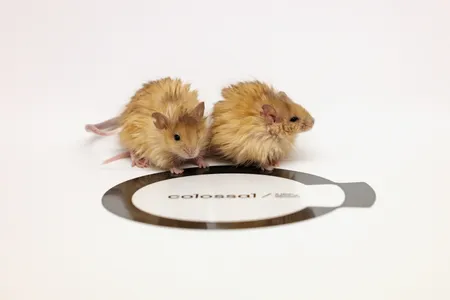
Colossal Biosciences leaders say the fluffy, golden-haired mice help validate their technique to “de-extinct” species, but outside scientists remain skeptical
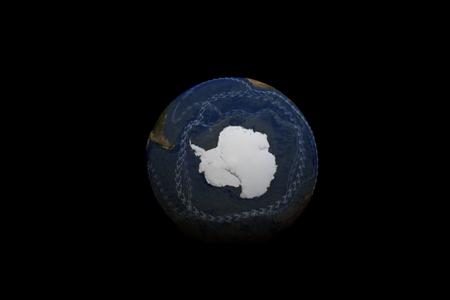
Earth’s Strongest Ocean Current Could Slow 20 Percent by 2050 Because of Climate Change, Study Finds
The Antarctic Circumpolar Current is involved in everything from storing carbon to guarding Antarctica from invasive marine species, and a slower current could have far-reaching consequences
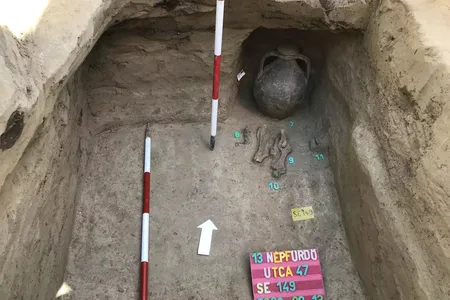
Who Were the Huns Who Invaded Rome? A New Study Has Revealed Surprising Genetic Diversity
Researchers found that the group led by Attila the Hun contained a mixture of diverse ancestries, with at least a few related to elites of the Xiongnu Empire
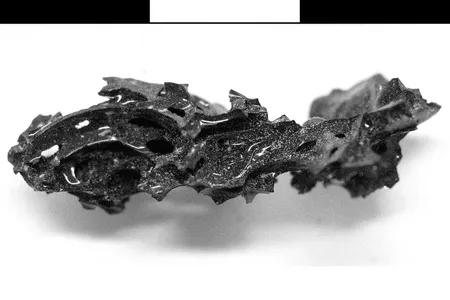
The remains of a young man, found in his bed in the destroyed town of Herculaneum, included glassy fragments that had mystified archaeologists
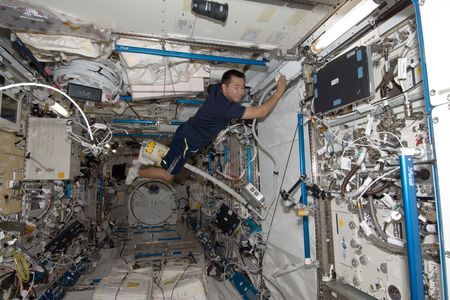
Humans have evolved alongside microbes in Earth’s environment that help strengthen our immune systems. But sterile living conditions can reduce that beneficial exposure
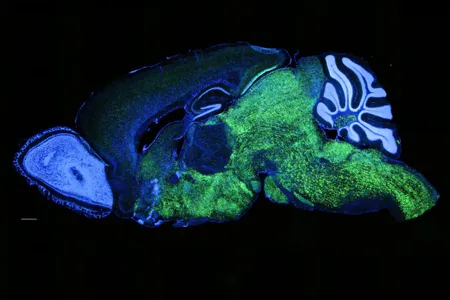
Scientists Identify a Gene Linked to Spoken Language, and It Makes Lab Mice Squeak Differently
A new study suggests the unique human version of the NOVA1 protein developed after our ancestors split from Neanderthals on the evolutionary tree, and it might have given us a competitive edge over our relatives
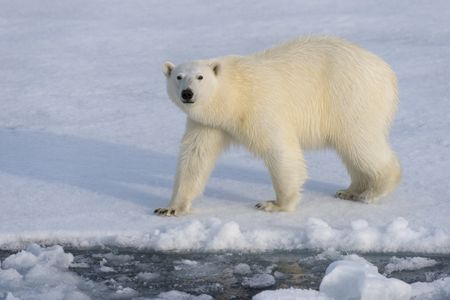
Rare Footage Shows Baby Polar Bears Emerging From Their Den in the Arctic
In a new study, researchers used remote cameras and data from GPS tracking collars to learn more about this vulnerable period in the early lives of these marine mammals
Page 48 of 308