

DNA reveals that the people of Carthage, a powerful independent colony founded by the Phoenicians, had little genetic similarity to their counterparts in the Levant

Researchers Have the Perfect Cacio e Pepe Recipe Down to a Science—Literally
Cooking the famous, creamy pasta sauce is as delicious as it is frustrating, because the cheese tends to clump when exposed to heat. That’s why Italian scientists created a new technique that’s “simple yet precise”

Even compared to chimpanzees, one of our closest relatives, humans’ scrapes and cuts tend to stick around for more than twice as long, new research suggests

Astronomers Discover a Giant, Glowing Molecular Cloud Hidden in Earth’s Cosmic Neighborhood
The cloud, named Eos after the Greek goddess of dawn, had eluded researchers because it contains very little carbon monoxide
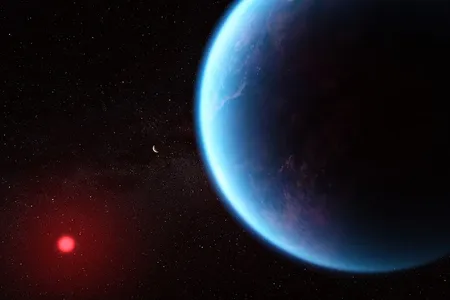
A New Analysis Raises Doubts About Potential Hints of Life Recently Detected on a Distant Exoplanet
Astronomers published evidence of possible biosignatures on the planet K2-18b earlier this month, but another look at the data suggests the finding could be statistical noise
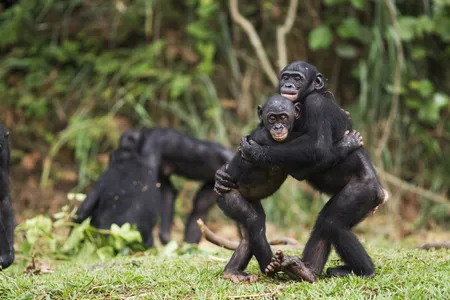
Female Bonobos Assert Their Dominance Over Males by Banding Together, New Study Suggests
Bonobos, which are among our closest living relatives, live in rare societies where females tend to outrank males, even though males are larger and stronger. Scientists compiled decades of observations to explain why
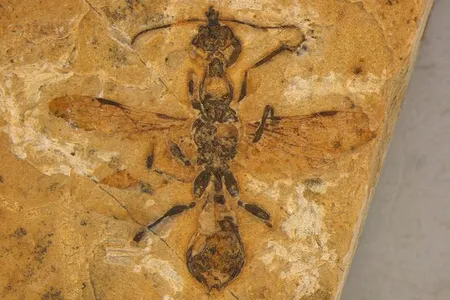
The odd-looking specimen with scythe-like jaws indicates that early ants were spread widely across the globe while dinosaurs still roamed

Researchers Discover a Rare, Carnivorous Caterpillar That Wears Dead Insect Parts to Fool Spiders
The species, dubbed the “bone collector,” belongs to an ancient lineage of moths older than the Hawaiian island of Oahu, which is the only place it’s known to live today
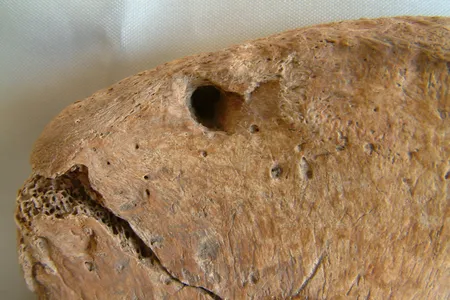
Bite Marks on Ancient Skeleton Reveal First Physical Evidence of Roman Gladiators Fighting Lions
Researchers compared the markings found on an ancient skeleton in England to bones that had been chewed on by cheetahs, lions, tigers and leopards in present-day zoos

Google Is Training a New A.I. Model to Decode Dolphin Chatter—and Potentially Talk Back
The company says its new model, called DolphinGemma, will be made open source this summer. Researchers are also trying to train dolphins to mimic made-up names for certain objects
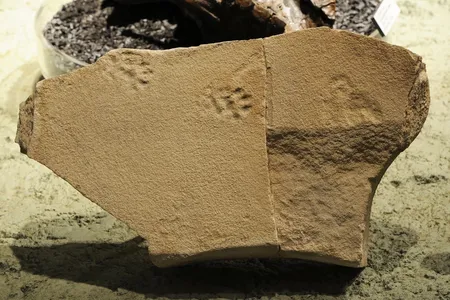
Scientists revisited tracks made by a shorebird, a lizard, a cat-like predator and some sort of large herbivore at what is now John Day Fossil Beds National Monument

Astronomers Discover a Doomed Exoplanet That’s Crumbling Away and Leaving Behind a Comet-Like Tail
The planet orbits its host star in just 30.5 hours, losing a mass of material roughly equal to Mount Everest each time
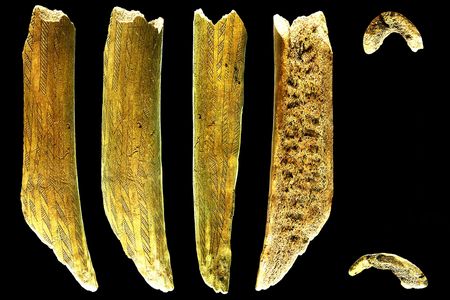
During the sixth millennium B.C.E., carvers in present-day Sweden etched patterns into the artifact before redecorating it in a new style. It was likely deposited into a river as part of a ritual
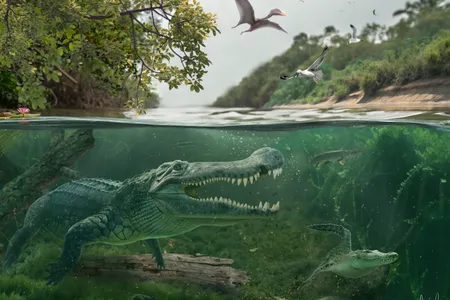
A new study indicates the giant reptile Deinosuchus is not a close relative of modern alligators, as scientists previously thought, and it might have thrived by tolerating saltwater
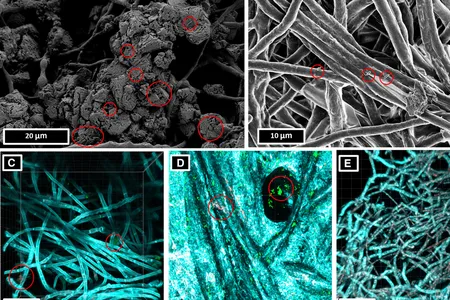
Researchers are developing the biomaterial as a more environmentally friendly alternative to concrete, but any wide-scale use is still far away
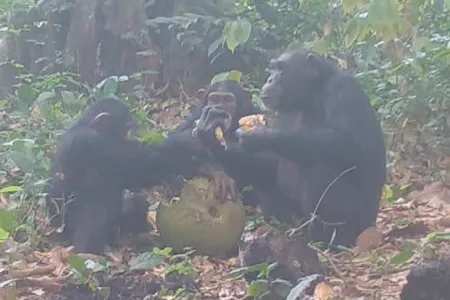
Watch Wild Chimpanzees Share Alcoholic Fruit, a Behavior Just Captured on Video for the First Time
Though the reason behind this action is unclear, researchers suggest socially consuming alcohol may have offered evolutionary benefits to a common ancestor of both humans and chimps
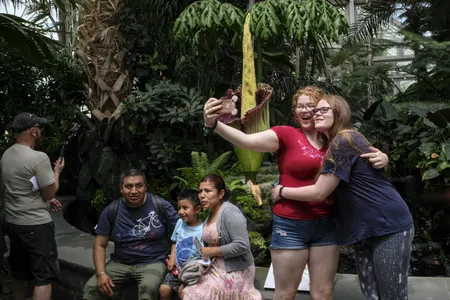
Inconsistent data may be hurting conservation efforts for these endangered plants, known for attracting visitors to their scent of rotting flesh
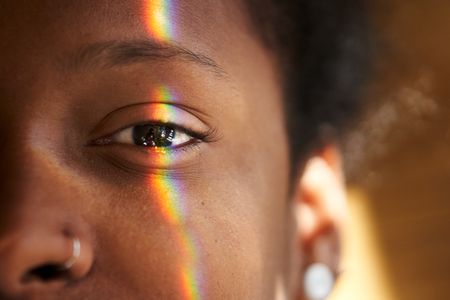
Scientists Say They’ve Discovered a New Color—an ‘Unprecedented’ Hue Only Ever Seen by Five People
The color, dubbed olo, is described as an intensely saturated teal. Researchers say it might have applications in understanding color blindness
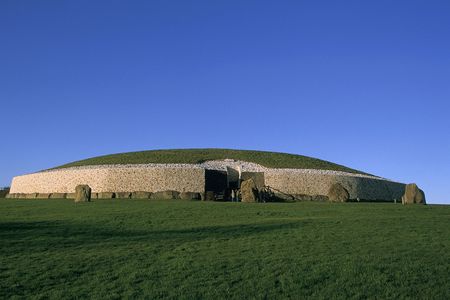
A new study contradicts the long-held assumption that Ireland’s Neolithic passage tombs were reserved for members of an elite ruling family
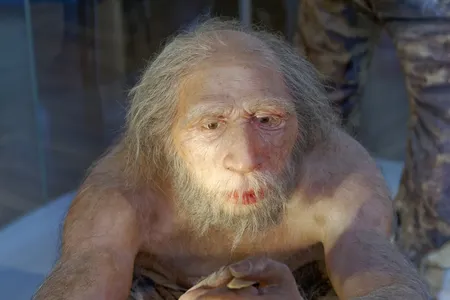
A new study suggests the extinction of Neanderthals nearly coincided with a shift in Earth’s magnetic field that let more radiation reach the ground. Our species might have adapted more easily
Page 44 of 308