

The Land Beneath the Biggest U.S. Cities Is Sinking, Finds New Analysis of Satellite Data
Largely due to groundwater pumping and shifting of land after the last ice age, major urban areas are subsiding, which could destabilize buildings or worsen flooding
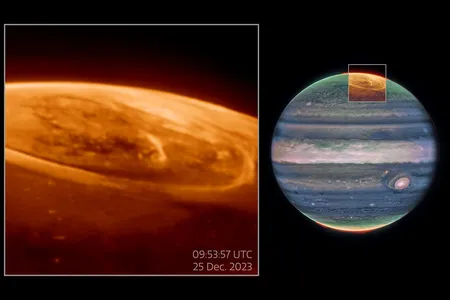
The infrared views, captured in 2023, shed light on the giant planet’s atmosphere and magnetosphere—but they also reveal something unexpected
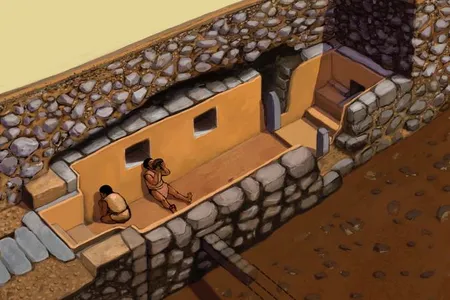
Unearthed in Peru, the small underground room may have been used for rituals involving psychoactive drugs. New research suggests these “exclusive” events were reserved for the elite
Rooted in the American West: Food, History and Culture
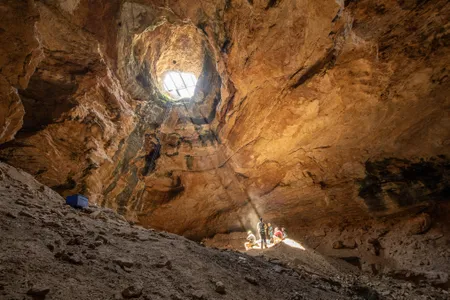
At a site known as Natural Trap Cave, a team of scientists are rappelling down to uncover the secrets of what the Earth was like during the Pleistocene
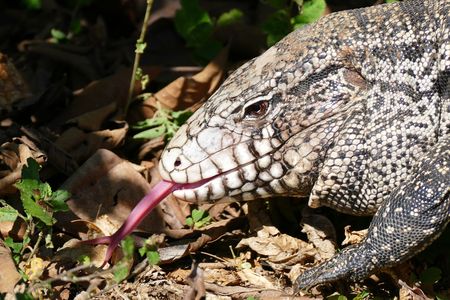
Mysterious Fossil Found in Museum Storage Turned Out to Be a New, Extinct Lizard Species
Today, tegus are considered invasive creatures in Florida, but a new paper suggests they’ve lived in the southeastern United States at least once before—millions of years ago
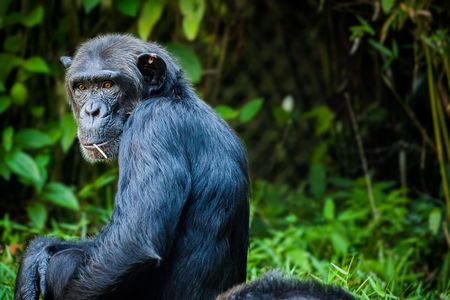
Not only do chimpanzees maintain a rhythm while drumming on tree roots, but two subspecies use distinct tempos and techniques, according to a new study
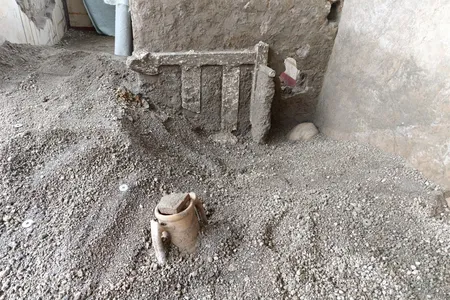
Archaeologists are learning new details about the four individuals’ futile attempt to hide inside an ancient residence called the House of Helle and Phrixus
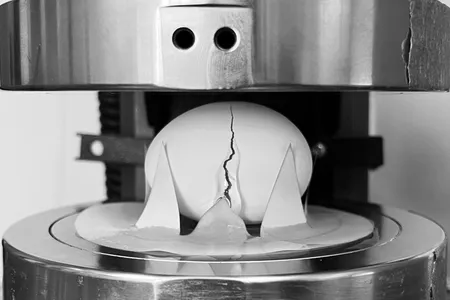
This Is the Best Way to Drop an Egg Without Breaking It, According to Scientists
Experiments challenge the commonly held idea that dropping an egg vertically will help prevent it from cracking in a classic school assignment
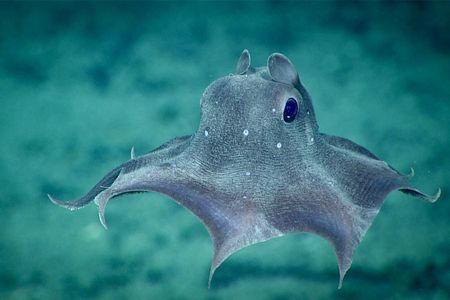
Researchers argue that expanding deep-sea exploration is vital to understanding and managing these marine habitats
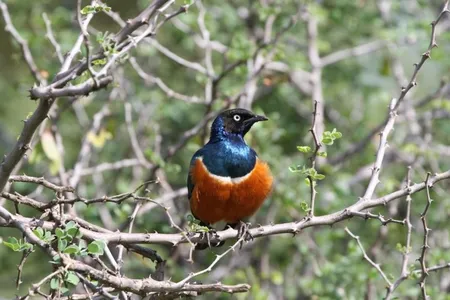
These Colorful Birds Form Long-Term ‘Friendships’ by Helping Out With Babysitting, Study Suggests
While scientists have observed animals assisting their relatives, a new study reveals that many superb starlings also form supportive relationships with non-relatives that can last for years

DNA Links Modern Picuris Pueblo Tribe to Ancestors Who Lived in Chaco Canyon Hundreds of Years Ago
Tribal leaders partnered with scientists to confirm their connection to the archaeological site in New Mexico

Researchers suggest powerful bursts from magnetars—collapsed stars with strong magnetic fields—may have contributed up to 10 percent of all elements heavier than iron in the Milky Way
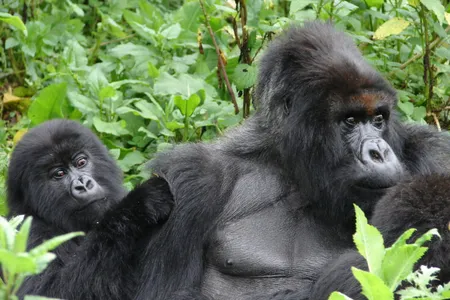
For Mountain Gorillas, Being Social Comes With Both Benefits and Drawbacks, Study Suggests
A new analysis of wild gorillas in Rwanda indicates the effects of different social styles are dependent on context
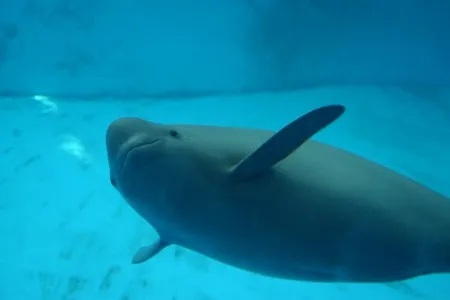
Ancient Chinese Poems Reveal the Decline of a Critically Endangered Porpoise Over 1,400 Years
Researchers looked at poetry dating as far back as the Tang dynasty to find that the Yangtze finless porpoise’s range has decreased by 65 percent

Spanish Shipwreck Reveals Evidence of Earliest Known Pet Cats to Arrive in the United States
The two felines—one adult, one juvenile—appear to have been cared for by the sailors before the vessel sank in a hurricane in 1559, according to a new study

New discoveries in the Dominican Republic suggest sebecids roamed the Caribbean as recently as 4.5 million years ago, long after they vanished from South America
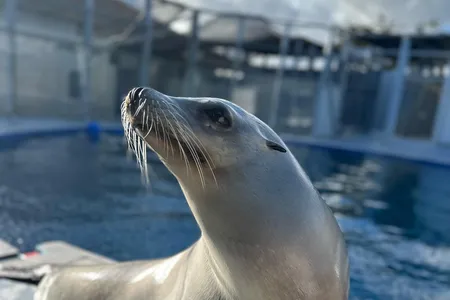
This Sea Lion Can Headbang Better Than You—Watch Her Out-Perform Humans at Keeping a Beat
A new study of Ronan, a sea lion famous for her dancing skills, challenges the idea that only vocal learners can match a tempo

Egyptologist Reveals Mysterious Messages Hidden in the Hieroglyphics on a 3,000-Year-Old Obelisk
Jean-Guillaume Olette-Pelletier says he has identified seven sets of crypto-hieroglyphs on the 75-foot-tall structure, which France received as a gift in 1836
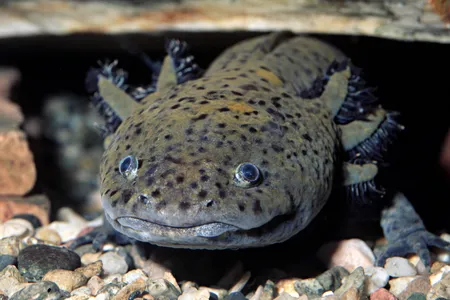
The popular salamanders are nearly extinct in the wild, where they are confined to a small system of canals in Mexico City. But a new study suggests released axolotls could thrive in their natural habitat as well as artificial wetlands
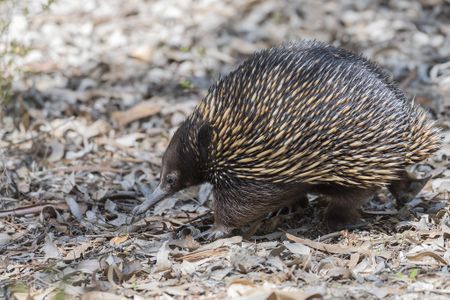
A Single Prehistoric Bone Might Rewrite the History of the World’s Strangest Mammals
Analysis of the fossil suggests that the only two egg-laying mammals, platypuses and land-based echidnas, both descended from a semi-aquatic creature
Page 43 of 308