
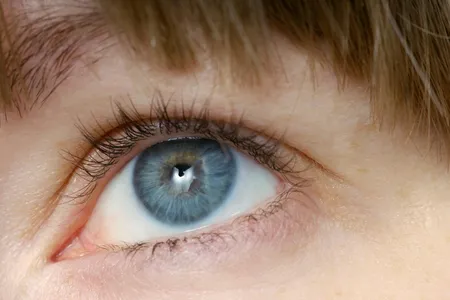
Determine Your Ideal Eyelash Length With Science
How the “one-third rule” protects your eyes
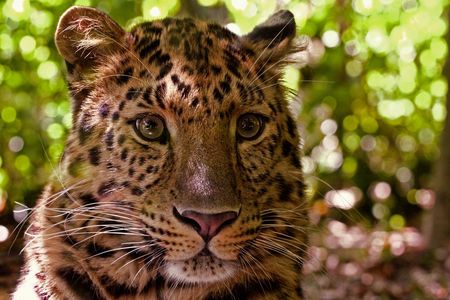
The Population of a Rare Leopard Has Nearly Doubled
A new census shows that there are now at least 57 elusive Amur leopards in Russia
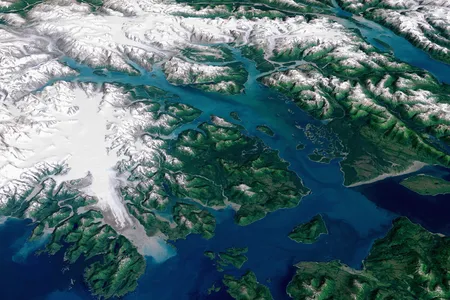
Alaska’s Freshwater Is Draining Into the Sea at an Astounding Rate
Satellite data shows that snow and glacial melt are partially to blame for an annual freshwater output 1.5 times that of Mississippi River
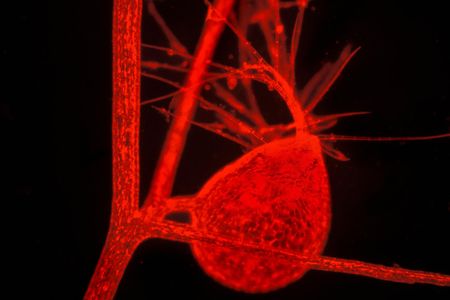
This Mysterious Plant Doesn’t Have Time for Junk DNA
Utricularia gibba has less DNA, but more genes
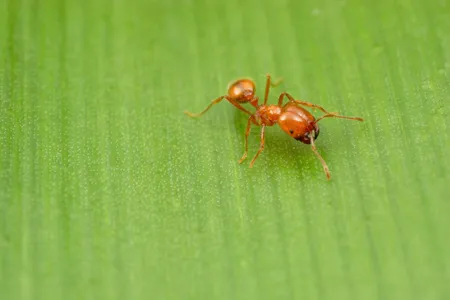
How 16th Century Trade Made Fire Ants an Early Global Invader
By inadvertently stowing away in Spanish ships, one pesky little insect quickly spread throughout much of the world
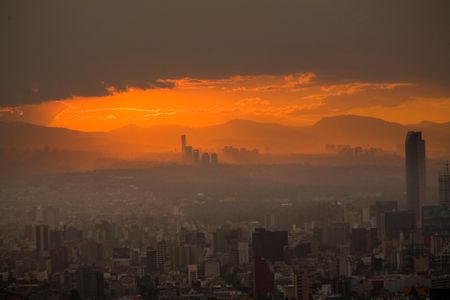
Modern Cities Grow the Same Way As Ancient Ones
Scientists find that despite time and location, the productivity of settlements grows faster than their populations
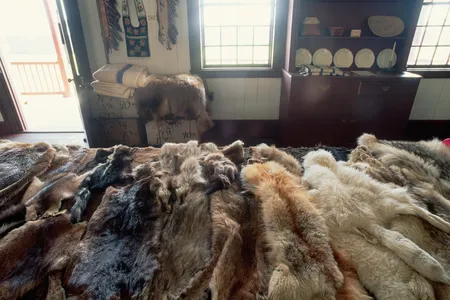
The 18th Century Fur Trade Polluted Lake Superior’s Shore With Mercury That’s Never Gone Away
The area’s elevated mercury levels aren’t healthy for fish, birds or humans
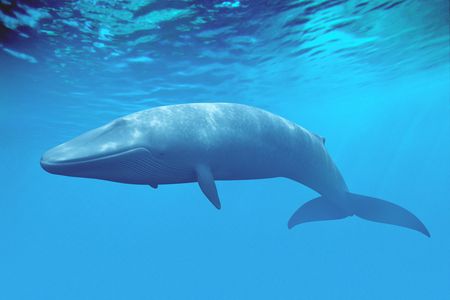
The World’s Sea Creatures Have Gotten Bigger
A new study reveals evolution in the ocean appears to favor larger animals

Save the Birds By Embarrassing Your Cat
Outfitting cats in colorful collars may be one key to preventing them from effectively preying on birds and other small animals

Neanderthals Divvied Up Chores by Sex
New research on Neanderthal teeth shows differing gender roles
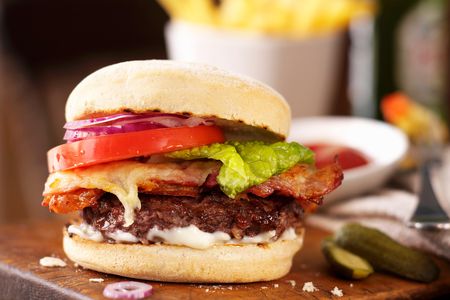
Fat Is a Texture, Not a Taste…For Now
Scientists predict fat will join the other primary tastes within ten years
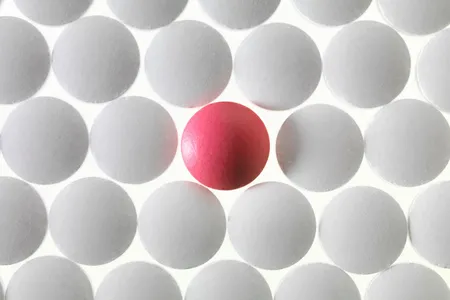
Is That Pill a Placebo? This Program Can Tell, Even If You Can’t
A new algorithm could make it faster and less expensive to develop new painkillers
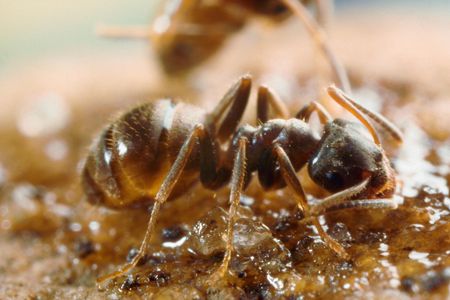
Ants Have Designated Toilet Areas in Their Nests
A new study shows that black garden ants have a relatively meticulous protocol for when nature calls
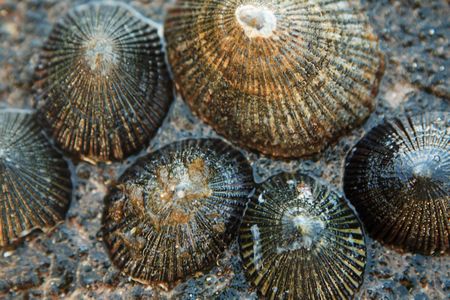
Snails’ Teeth Beats Spider Silk As Nature’s Strongest Material
The discovery makes sense: Mollusks use these teeth to excavate rocks while they feed
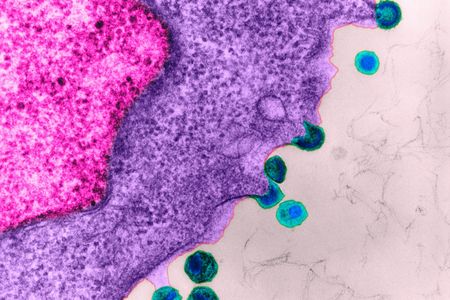
Found: A New Tool in the Fight Against HIV
New approach offers “vaccine-like” protection against HIV
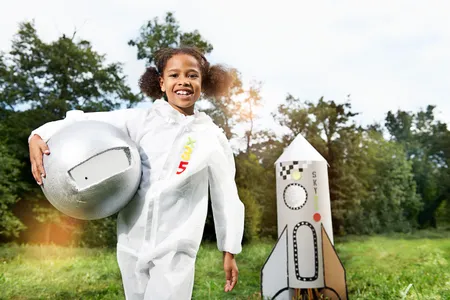
Only 1 in 4 Americans Would Take a Free Space Flight
Americans are still skeptical about some aspects of space travel
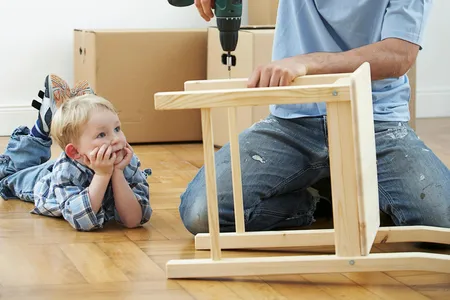
This Teeny Chair Can Assemble Itself
A tiny prototype developed at MIT marks one of the first steps into a world where we’ll never need an Allen wrench again
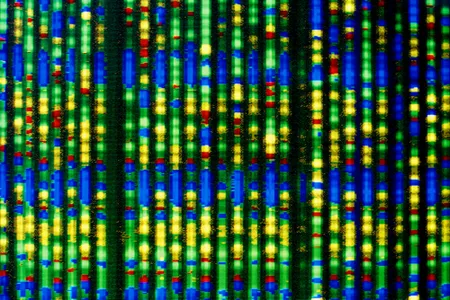
Is DNA the Solution for Permanent Data Storage?
New study uses “synthetic fossils” to store data for the ages
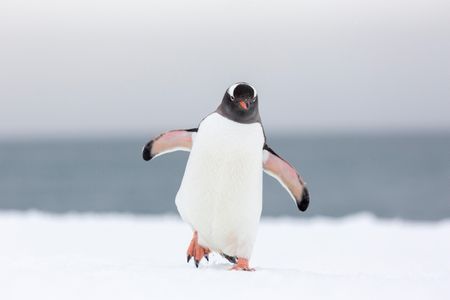
The Cold May Have Cost Penguins Most of Their Taste Buds
Recent genetic analysis shows that penguins can’t taste sweet or bitter, and scientists think sub-zero temps may be to blame
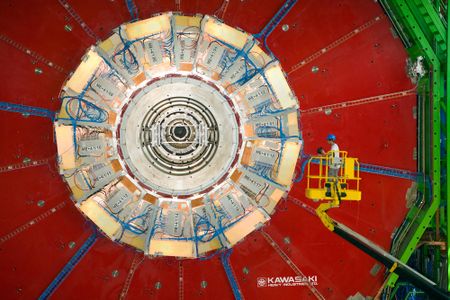
Is Our Universe Supersymmetric?
Scientists hope the rebooted Large Hadron Collider could find supersymmetric particles—the next frontier of particle physics
Page 228 of 308