
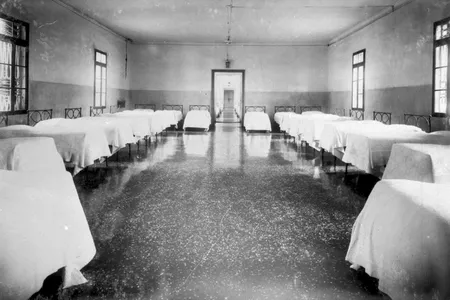
In the 19th and 20th centuries, San Servolo and San Clemente housed patients suffering from pellagrous insanity, a condition caused by a vitamin deficiency
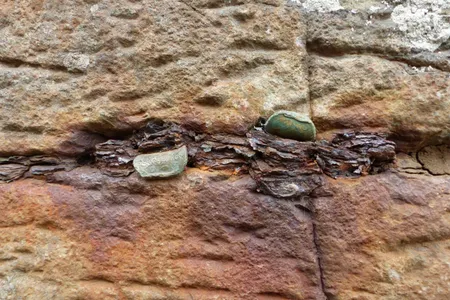
Authorities are urging visitors to stop wedging pocket change between the basalt columns, which are cracking and crumbling as the coins expand
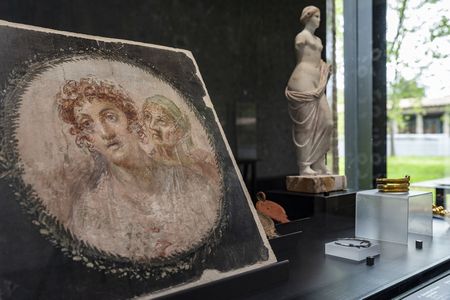
What Was Daily Life Like for the Women Who Lived in Ancient Pompeii 2,000 Years Ago?
A new exhibition is spotlighting the women who have long been sidelined in histories of the Roman Empire—from mothers and weavers to entrepreneurs and influential tavern owners
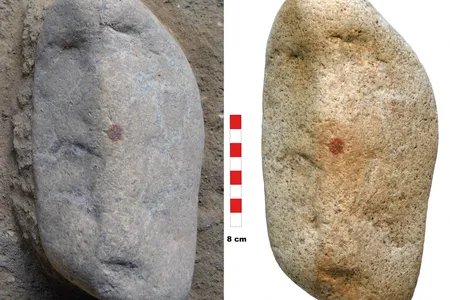
Did a Neanderthal Who Lived 43,000 Years Ago Paint a Red Nose on a Rock That Looked Like a Face?
Researchers theorize that an adult male dipped his finger in red ocher and intentionally used the pigment to complete the face he saw on a small granite stone
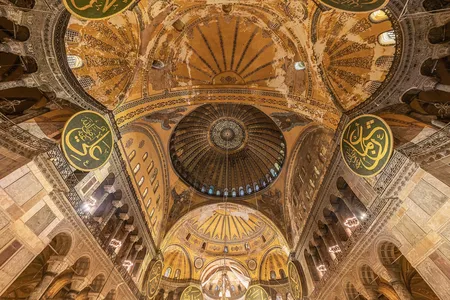
Experts Think the Hagia Sophia Is in Danger. They’ve Got a Plan to Protect It From Earthquakes
Turkey is located near two fault lines, leaving the 1,500-year-old structure vulnerable to damage. Architects and engineers will be investigating how to best preserve it

Humans have eaten mollusks for millennia, but they weren’t always viewed as elite treats
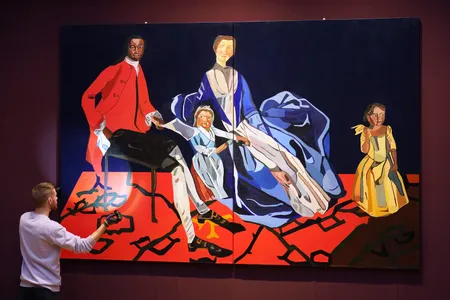
New Exhibition Features Contemporary Portraits Honoring Forgotten Black Abolitionists
Cambridge University’s Fitzwilliam Museum is spotlighting the men and women who fought to end slavery but received little attention from artists during their lifetimes
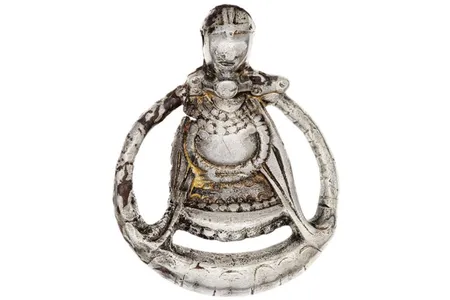
Researchers studied Old Norse literature and archaeological evidence to shed new light on women’s experiences of pregnancy during the Viking Age
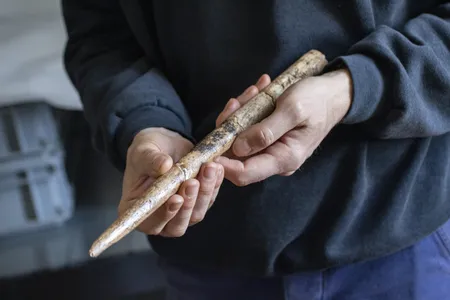
Stone Age humans scavenged the skeletons of several whale species along the Bay of Biscay in what is now southwestern France and northern Spain, according to a new study

Archaeologists say they’ve found the ruins of a soccer field in southwest Scotland that date to the 17th century
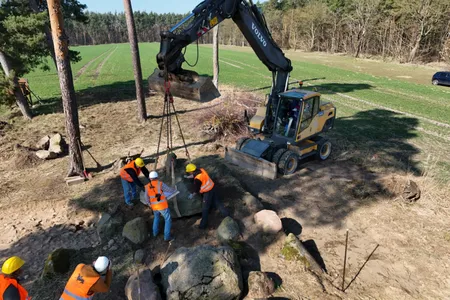
This German Town Carefully Reconstructed a 5,500-Year-Old Megalithic Monument
After years of excavation and study, archaeologists have restored the Küsterberg burial site to its original layout to celebrate the annual European Day of Megalithic Culture
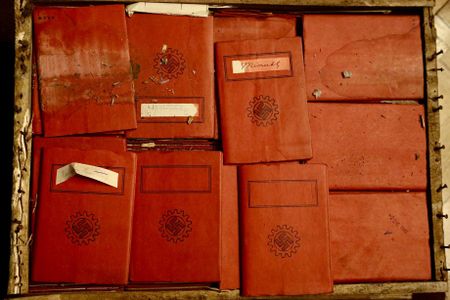
Boxes Full of Nazi Propaganda Discovered in the Basement of Argentina’s Supreme Court
Workers found crates packed with swastika-covered notebooks, postcards and photographs while preparing to move the court’s archives to a new museum
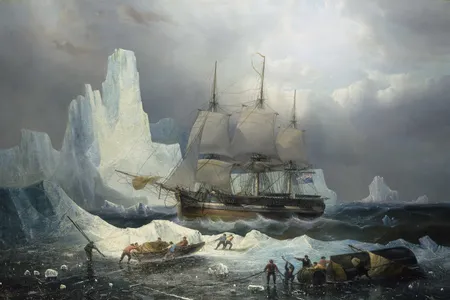
In May 1845, 129 British officers and crew members set out in search of the Northwest Passage on HMS “Erebus” and HMS “Terror.” None returned
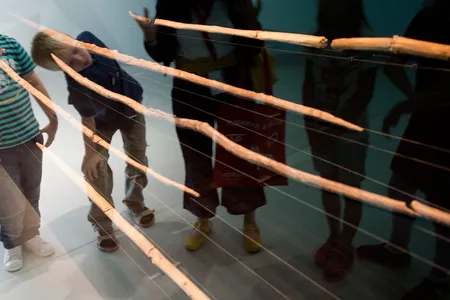
Nimble-Minded Neanderthals May Have Used These Wooden Spears to Hunt 200,000 Years Ago
New research shows that the weapons found in Germany are much younger than previously thought, suggesting they were made by skilled Neanderthal craftspeople
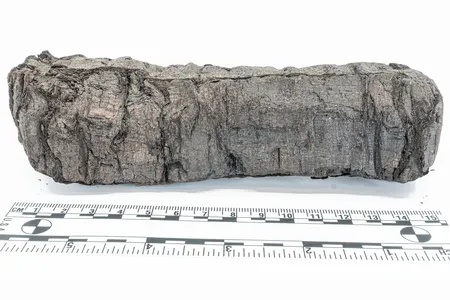
Mount Vesuvius’ eruption preserved the Herculaneum scrolls beneath a blanket of ash. Two millennia later, X-ray scans show that one of them is a philosophical text called “On Vice”
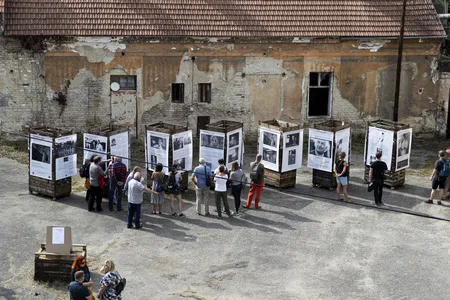
The Czech Factory Where Oskar Schindler Saved 1,200 Jews Is Now a Museum in Their Honor
Under the stewardship of the Jewish family that owned the factory before World War II, the museum is reclaiming the dilapidated site and its dark history
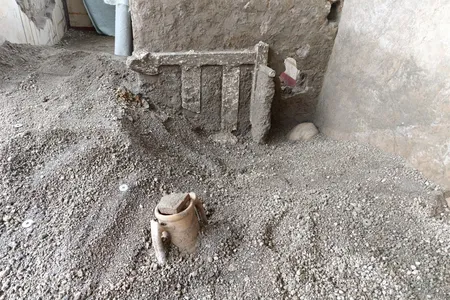
Archaeologists are learning new details about the four individuals’ futile attempt to hide inside an ancient residence called the House of Helle and Phrixus
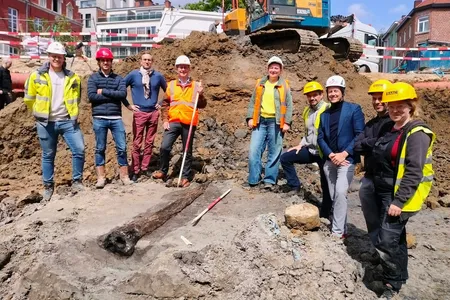
Ancient Roman Wooden Water Pipe Made From Hollow Tree Trunks Unearthed Beneath a Street in Belgium
Archaeologists say the muddy soil in the area preserved the artifact, which likely dates to between the second and third centuries C.E.

The founding of a research institute 100 years ago has helped to provide insight on Yiddish culture in the United States and around the world
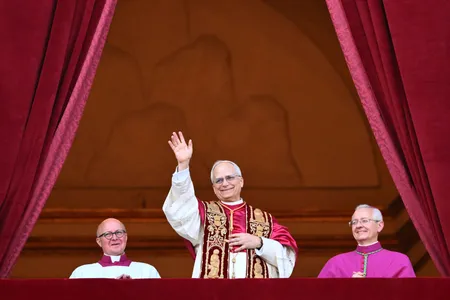
The New Pope Is Calling Himself Leo—Just Like 13 Other Pontiffs Who Came Before Him. Who Are They?
When Robert Prevost was elected pope this week, he chose one of the most popular papal names. The lives of the Pope Leos who preceded him may offer insight into his approach to the papacy
Page 15 of 82