
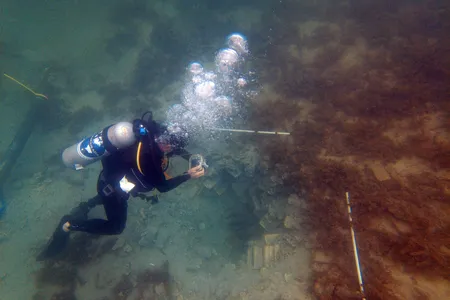
The two vessels had been trafficking hundreds of enslaved Africans when a navigational error led them astray. They sank off the coast of Costa Rica in the 18th century
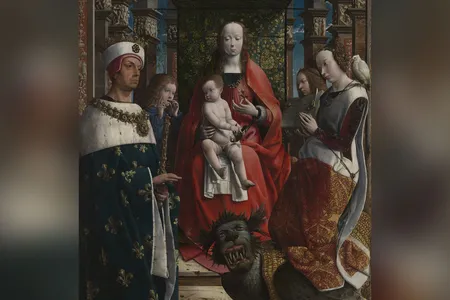
Painted around 1510, the mysterious altarpiece by an unknown artist features unusual details, including a slobbering dragon and an angel playing the mouth harp

Witold Pilecki smuggled reports about Germany’s war crimes to the Allies, urging them to stop the atrocities at Auschwitz by bombing the camp. But his warnings went unheeded
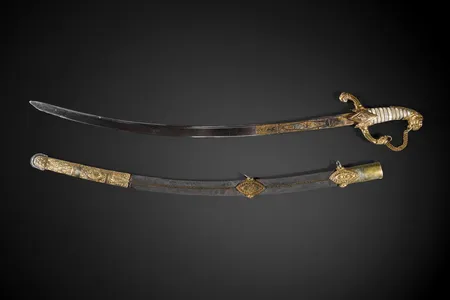
The Ornate Sword That Napoleon Commissioned During His Rise to Power Is Heading to Auction
Prior to his final defeat at the Battle of Waterloo, the French ruler gave the saber to one of his most trusted generals, whose family kept it for generations
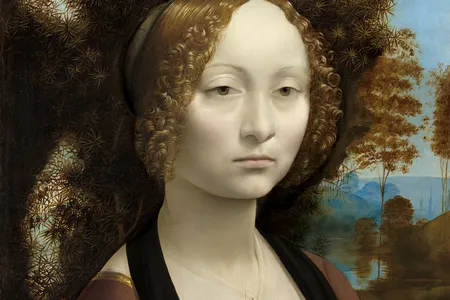
Ginevra de’ Benci was a poet famed for her beauty and intellect. But art historians know little about her beyond the writings and artworks left behind by the men who admired her

Europe will commemorate the 80th anniversary of Nazi Germany’s surrender on May 8. But thousands of locals remain committed to preserving year-round the memories of those killed while fighting to liberate the continent
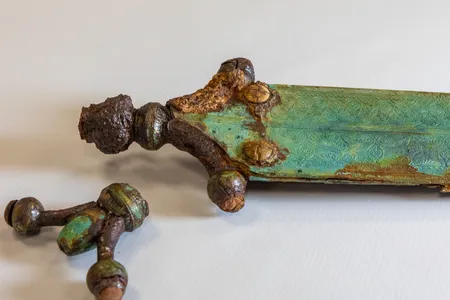
Found in France, the site featured more than 100 graves filled with ancient metal artifacts—including bracelets, brooches and two well-preserved swords
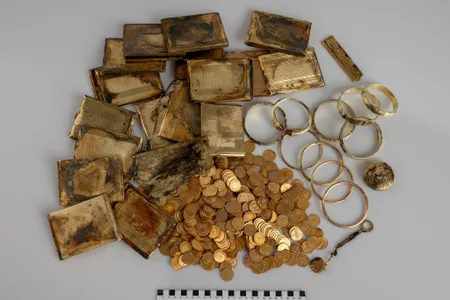
Hikers Stumble Upon Gold Coins and Treasures That Could Be Worth $340,000
After discovering the 15-pound cache while hiking in the Czech Republic, the two men handed it over to a local museum
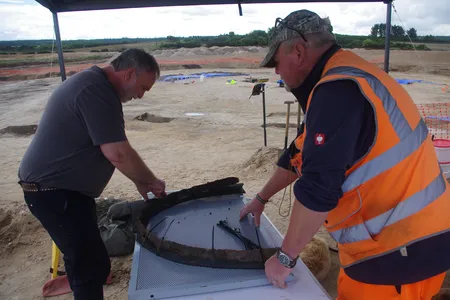
The more than 2,000-year-old tire was found among a trove of artifacts during excavations ahead of construction for a new golf course near Inverness, Scotland
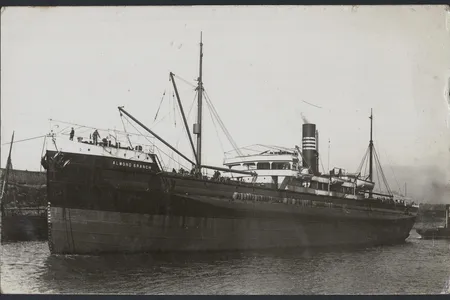
Man Who ‘Always Fancied’ Owning a Shipwreck Buys One on Facebook Marketplace for $400
Hobbyist diver Dom Robinson jumped at the chance to purchase the S.S. “Almond Branch,” a cargo ship that’s been resting 190 feet beneath the surface of the English Channel since World War I

Archaeologists were preparing for the construction of a new housing development when they found more than 100 equine skeletons dating to the second century C.E.

First-class passenger Archibald Gracie wrote the missive shortly after settling into his cabin on the doomed vessel. It just sold at auction for nearly $400,000
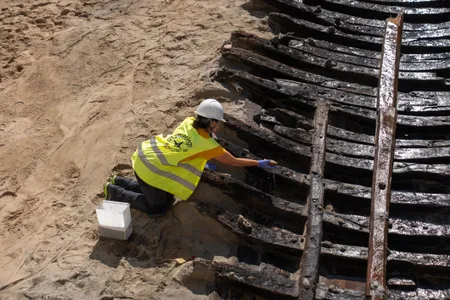
See the Rare Medieval Boat Discovered Over 18 Feet Below Sea Level in Barcelona
It could take years for archaeologists to properly excavate and preserve the delicate wooden vessel, which likely became shipwrecked
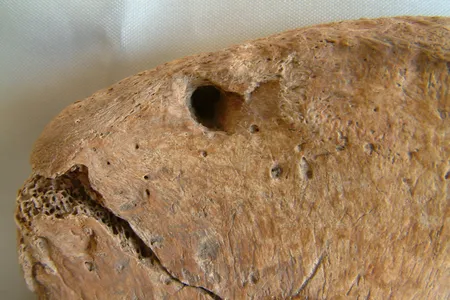
Bite Marks on Ancient Skeleton Reveal First Physical Evidence of Roman Gladiators Fighting Lions
Researchers compared the markings found on an ancient skeleton in England to bones that had been chewed on by cheetahs, lions, tigers and leopards in present-day zoos

The reluctant empress known as “Sisi” painstakingly crafted her image through portraits and photographs, ensuring she would be remembered in a specific way
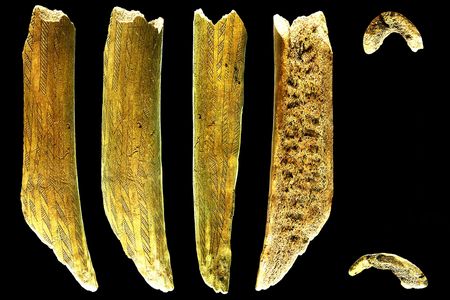
During the sixth millennium B.C.E., carvers in present-day Sweden etched patterns into the artifact before redecorating it in a new style. It was likely deposited into a river as part of a ritual
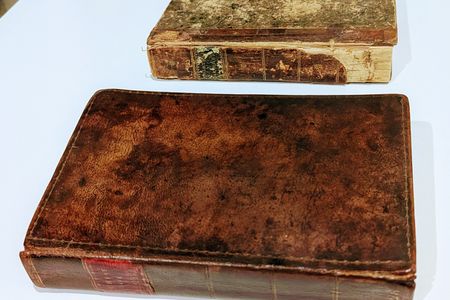
Recently Rediscovered Book Bound in Human Skin Goes on Display in England
Curators think the volume’s corners and spine are bound in the skin of William Corder, an infamous criminal who was convicted of murder in the late 1820s
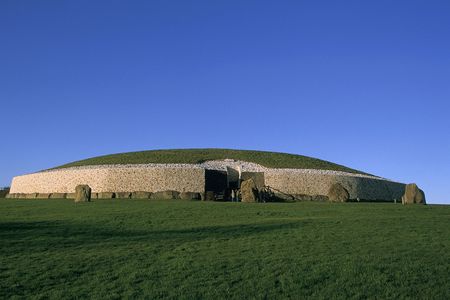
A new study contradicts the long-held assumption that Ireland’s Neolithic passage tombs were reserved for members of an elite ruling family
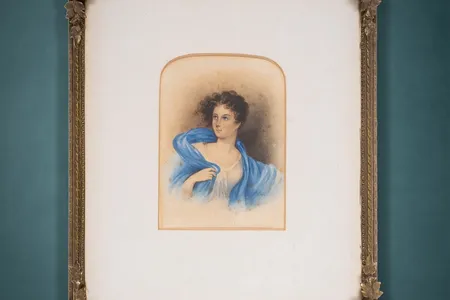
“The North Wind,” painted while Emily and her sister Charlotte were studying in Belgium, is now heading to the Brontë family home in Yorkshire
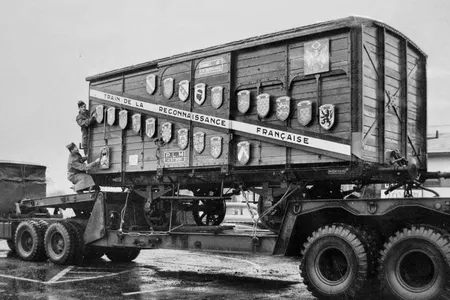
Long-Lost ‘Merci Train’ Given to New Jersey After World War II Has Been Found
To thank America for its support during the war, France sent a boxcar stuffed with gifts to each state. But in the late 1950s, New Jersey’s disappeared without a trace
Page 16 of 82